The Yuan Shikai Dollar, 1914-1916
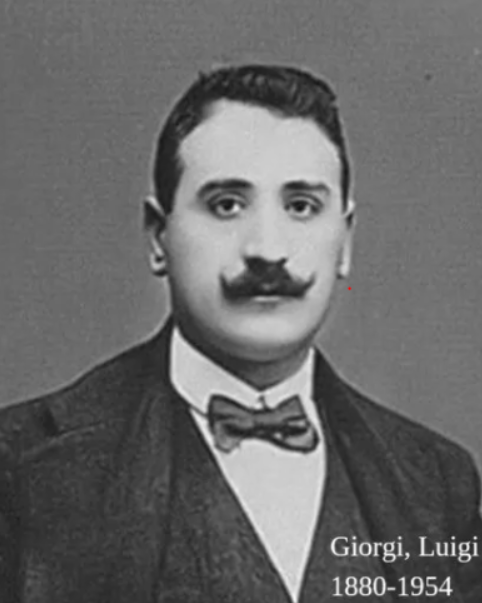
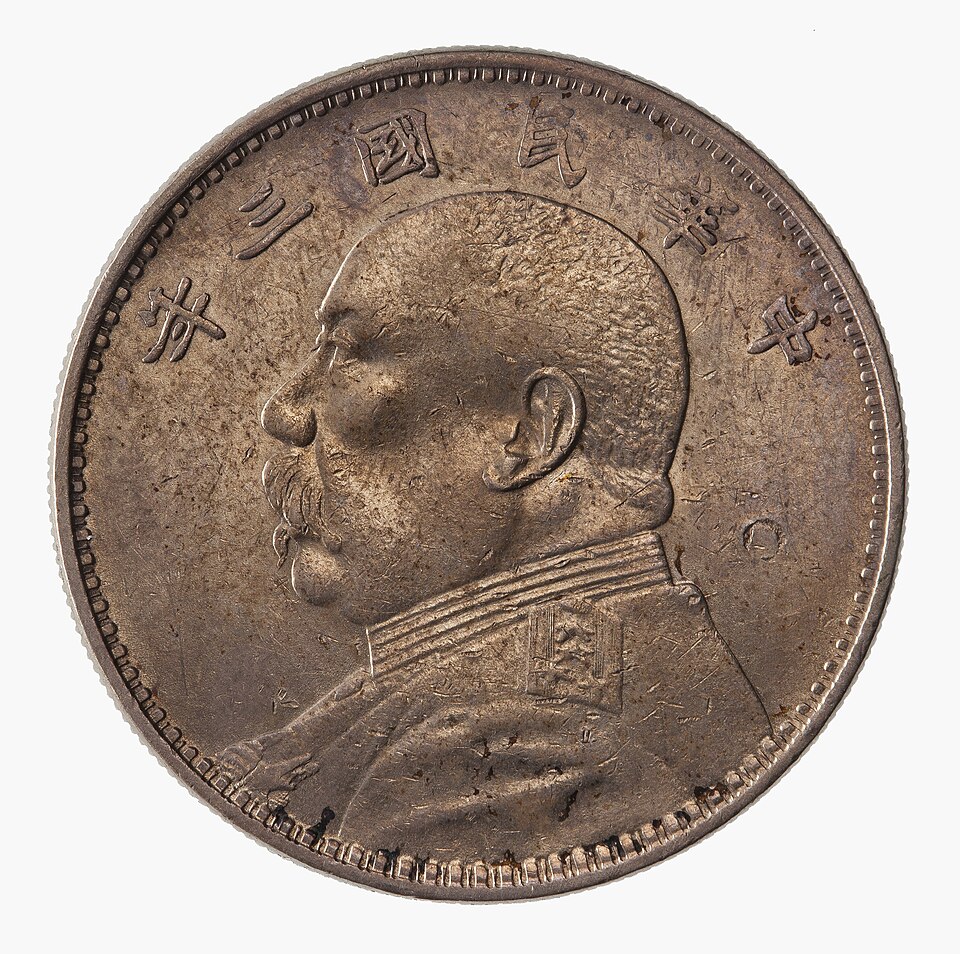
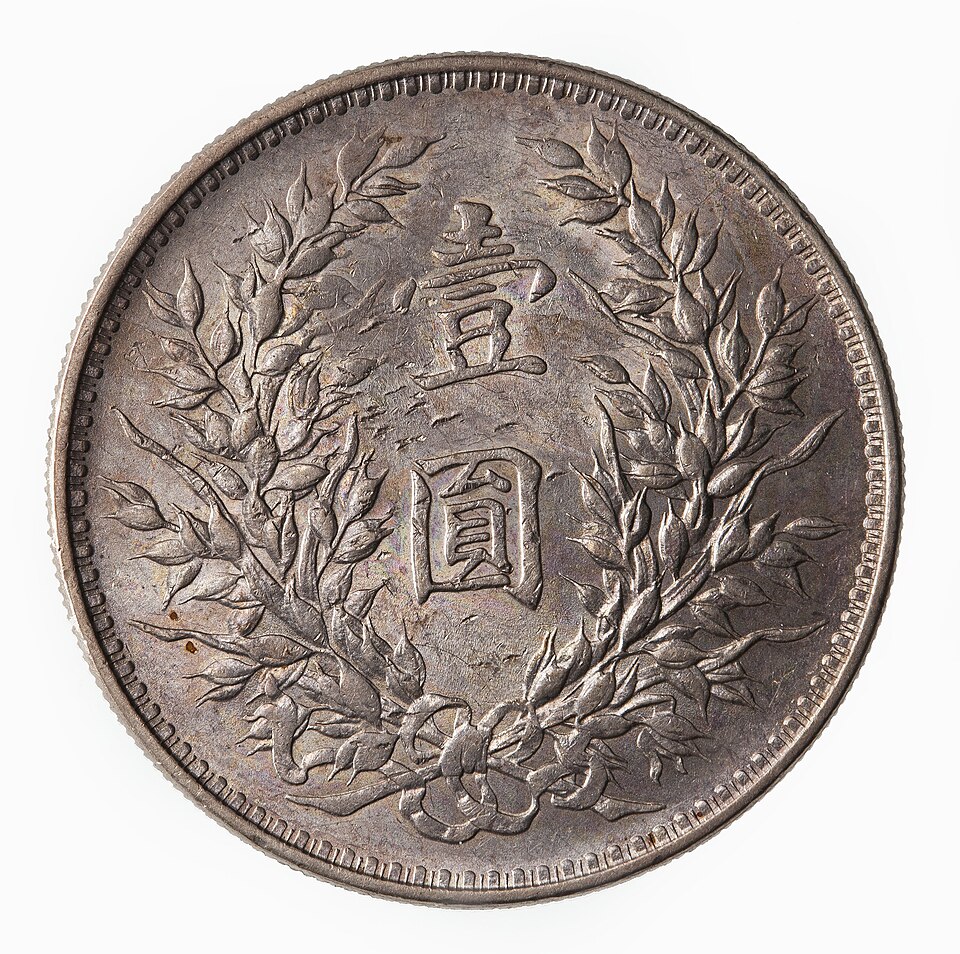
Posted: March 14th, 2026 | No Comments »Don’t think I’d ever seen a Yuan Shikai dollar before, also known as the “fatman dollar” issued between 1914-1916. Interestingly it was also designed by Tianjin Mint engraver, the Italian Luigi Giorgi. It was designed to replace the imperial Dragon Dollar and the various foreign silver dollars in circulation in China. The coin features a profile bust of Yuan wearing a military uniform on the obverse, with a wreath of grain and the denomination of one yuan on the reverse. Yuan is depicted wearing a military uniform and a crew cut and apparently he approved Giorgi’s design. Production of the dollars began at the Tianjin Mint in December 1914. The Nanjing Mint followed in January 1915, alongside the Canton Mint at some point in the same year and then the Mukden and Wuchang Mints too.
From 1914 to 1919, all coinage in the series was marked as Year 3 (1914) – as below. Mints began to strike coins with new dates in 1920 (Year 9), although differing mints marked them as Year 8, 9, or 10, and in the following years no mint consistently updated the date to match the year of production. Missionary Mildred Cable reported that Yuan Shikai dollars circulated in Gansu in 1926, but only coins featuring Year 3 dates were accepted at full value, as coins with dates following Yuan’s death were suspected to be counterfeit. The Fatman Dollar was eventually replaced by the “Momento Dollar” which featured Sun Yat-sen. China then abruptly abandoned the silver standard in 1935 and so large amounts of paper currency were introduced until 1945 when, due to hyperinflation, Mints in the Nationalist-aligned southern and western provinces returned to minting silver coinage in an attempt to stabilize the currency.
Leave a Reply