Chinese Resistance to Japanese Encroachment Policies – Shanghai 1935
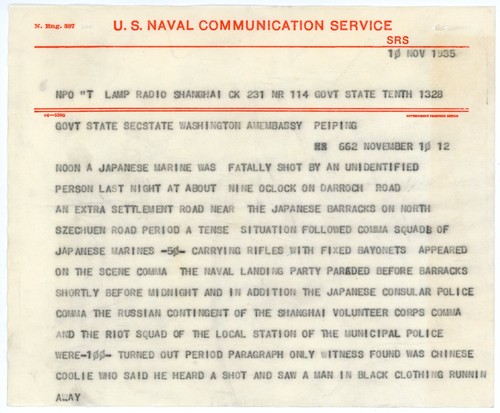
Posted: July 18th, 2026 | No Comments »An interesting small nugget of Shanghai and Chinese history from the great old China ephemera collector Roy Delbyck. But perhaps this US Naval Communication needs some context.
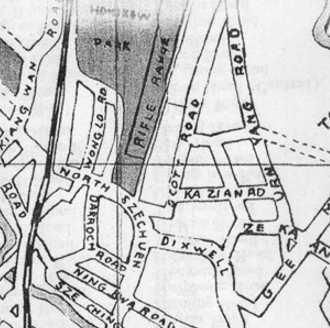
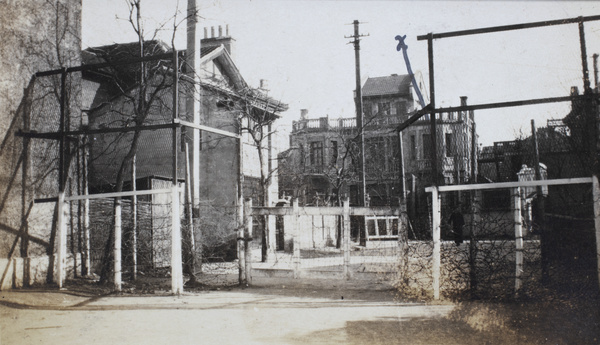
What happened: On November 10 1938 a Japanese marine was shot dead by an assassin. The shooting occurred c.9pm on Darroch Road, outside the official International Settlement in what was called the Northern External Roads, just over the northern border of the Settlement at Hongkou. In fact Darroch Road (now Duolon Lu) was only 500-600 metres long and is best known today as being the former home of many left wing writers including Lu Xun, Mao Dun, and Guo Moruo. It was mostly residential and a mix of longtang and Spanish-Garden style villas but had been a front line in the war of 1932 and was again with one junction known as Hellfire Corner and barbed wire barricades along the road as you can see below. As you can read the Russian Shanghai Volunteers regiment, the Japanese gendarmes and their “Bluejacket” marines all turned out but caught no one. A labourer (“coolie” in the crude foreigner vernacular of 1938) saw a man in black running away.
Why?: 1935 was a time of serious tension – the attacks on Chinese Shanghai of 1937 were ahead but anticipated, while the war of 1932 was still a recent memory. In 1935, Shanghai experienced heightened political tension, intense anti-Japanese student demonstrations, and severe censorship driven by Japanese military encroachment in North China and Tokyo’s direct pressure on local Chinese authorities. Japan used the He–Umezu Agreement and the Chin–Doihara Agreement in 1935 to force Chinese Nationalist (KMT) forces and political operations out of Hebei and Chahar provinces. Japanese diplomats and consuls in Shanghai heavily pressured the municipal administration to suppress local salvationist publications, ban anti-Japanese groups, and penalize media critical of the Japanese emperor – the KMT in large part complied. High-profile judicial punishments—such as the imprisonment of editor Du Zhongyuan for articles deemed derogatory toward Tokyo—inflamed local public opinion. It was perhaps little wonder that someone decided to take matters in their own hands and fight back.
And then?: Events continued to spiral out of control with Chinese students and resistors angry with both the Japanese and seemingly copliant KMT officials. Tang Yu-jen (former Vice Minister of Foreign Affairs and a high-ranking political figure in China’s Nanjing government) was assassinated on December 25, 1935, at 4:45 p.m. outside his residence at 235 Rue Gaston Kahn in the French Concession of Shanghai. Gunmen in a motor car fired a volley of shots as he arrived home, inflicting fatal wounds.
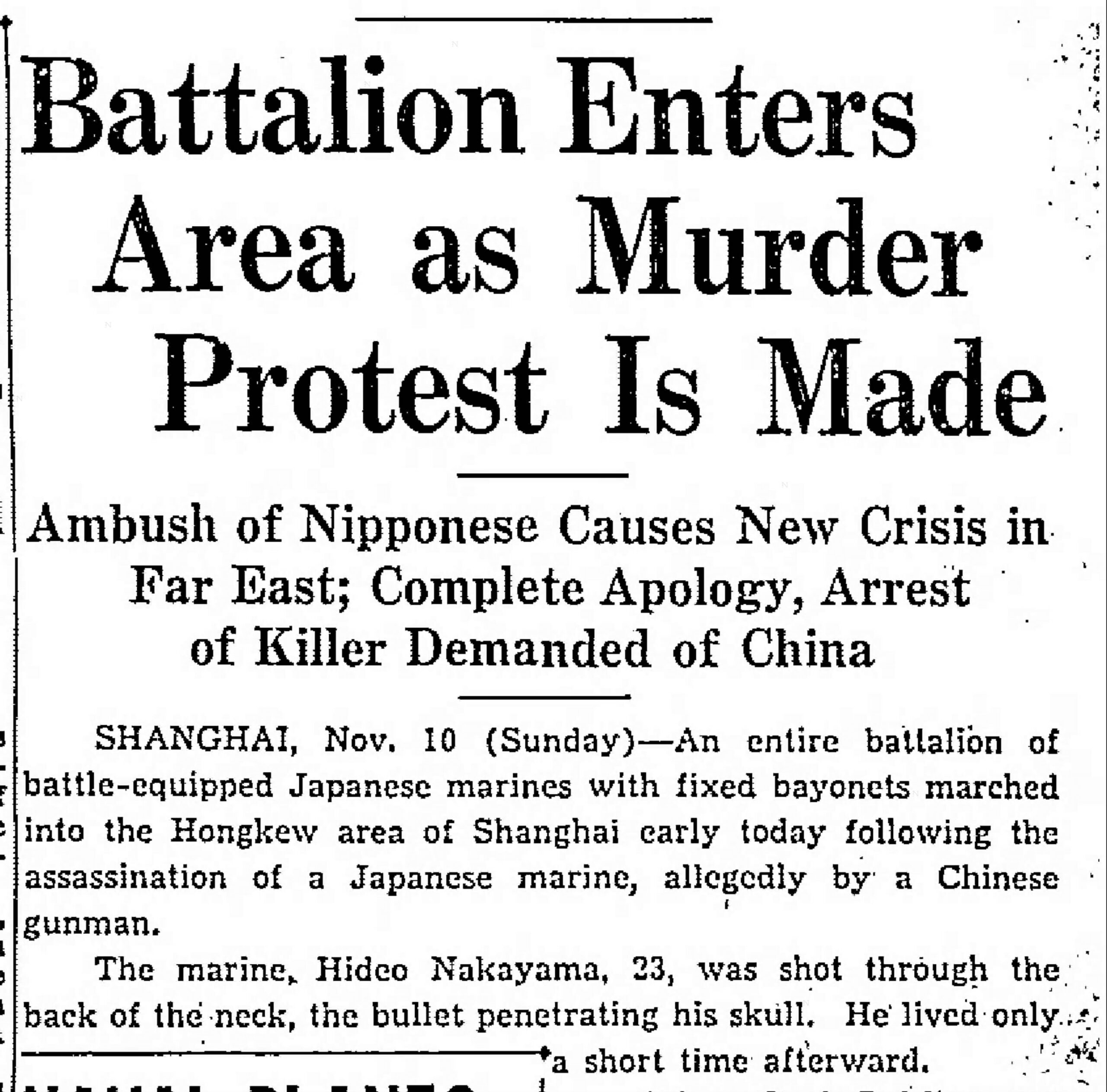
Although: Japanese was known for its provocations and used the assassination to flood their Marines into northern Shanghai, as the newspaper article below shows, thereby strengthening their hold over Shanghai north of Suzhou Creek.
Leave a Reply