The Incredible (but dubious) Tale of Christian West of Banff, Female Captain of a China Trade Clipper….
Posted: October 11th, 2026 | No Comments »A Curiosity Discovered….
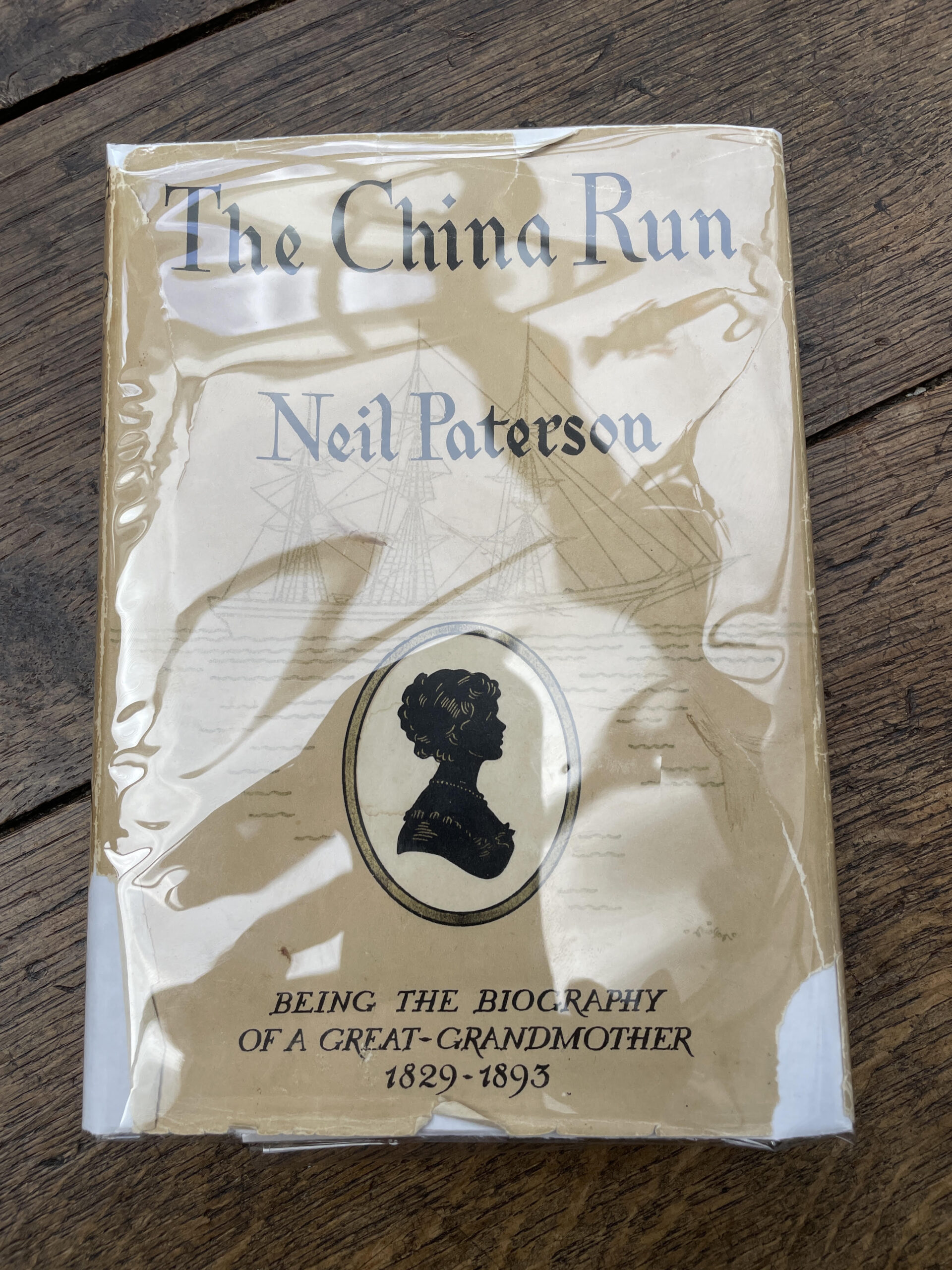
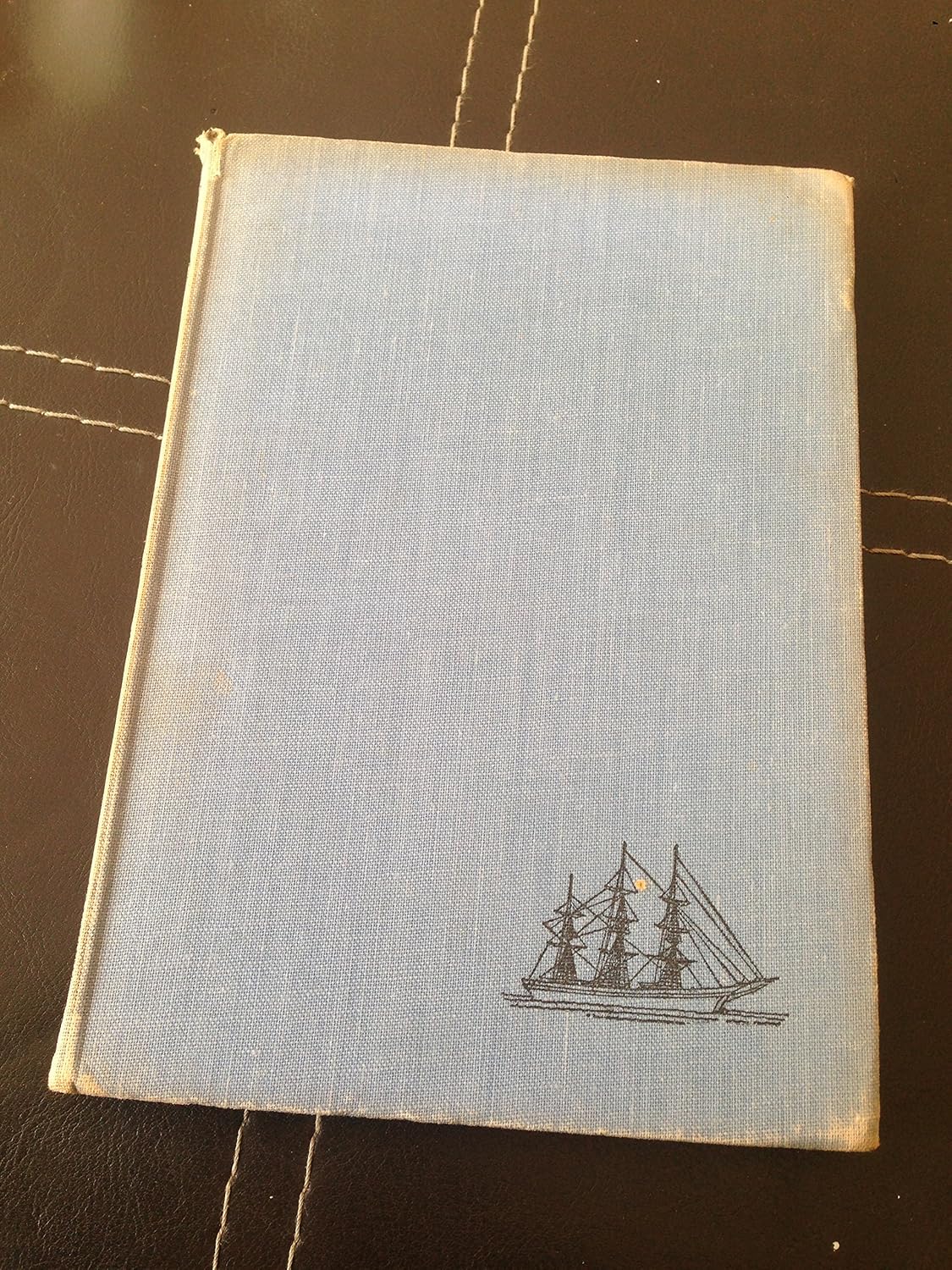
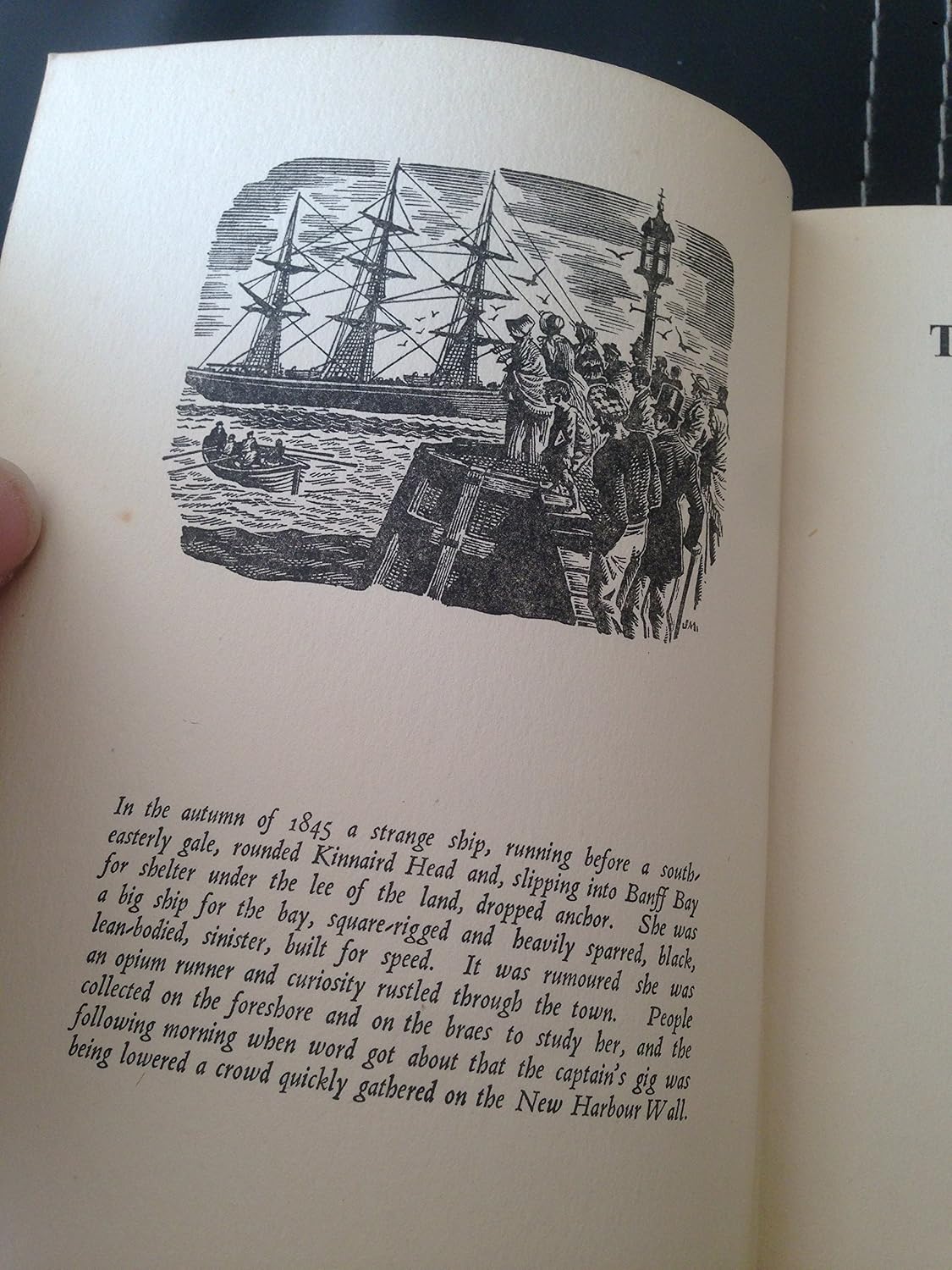
In an Edinburgh used bookshop I picked up a copy of The China Run: Being the Biography of a Great-Grandmother (Hodder and Stoughton), a 1948 book purporting to be a biographical novella by the Scottish writer Neil Paterson (1915–1995, a novelist, screenwriter, and Academy Award winner). It’s a curious and slim little book – only 95 pages and marketed by Hodder as a “long-short story”. It claims to tell the story of Paterson’s great-grandmother, Christian West, who lived in Banff on Scotland’s east coast and famously became a sea captain in the China tea-clipper trade sailing out of Wales. What an amazing…. and little known… tale – a woman captain in the China Trade? Who could resist! I see Hollywood, I see Kidman, I see Oscars….
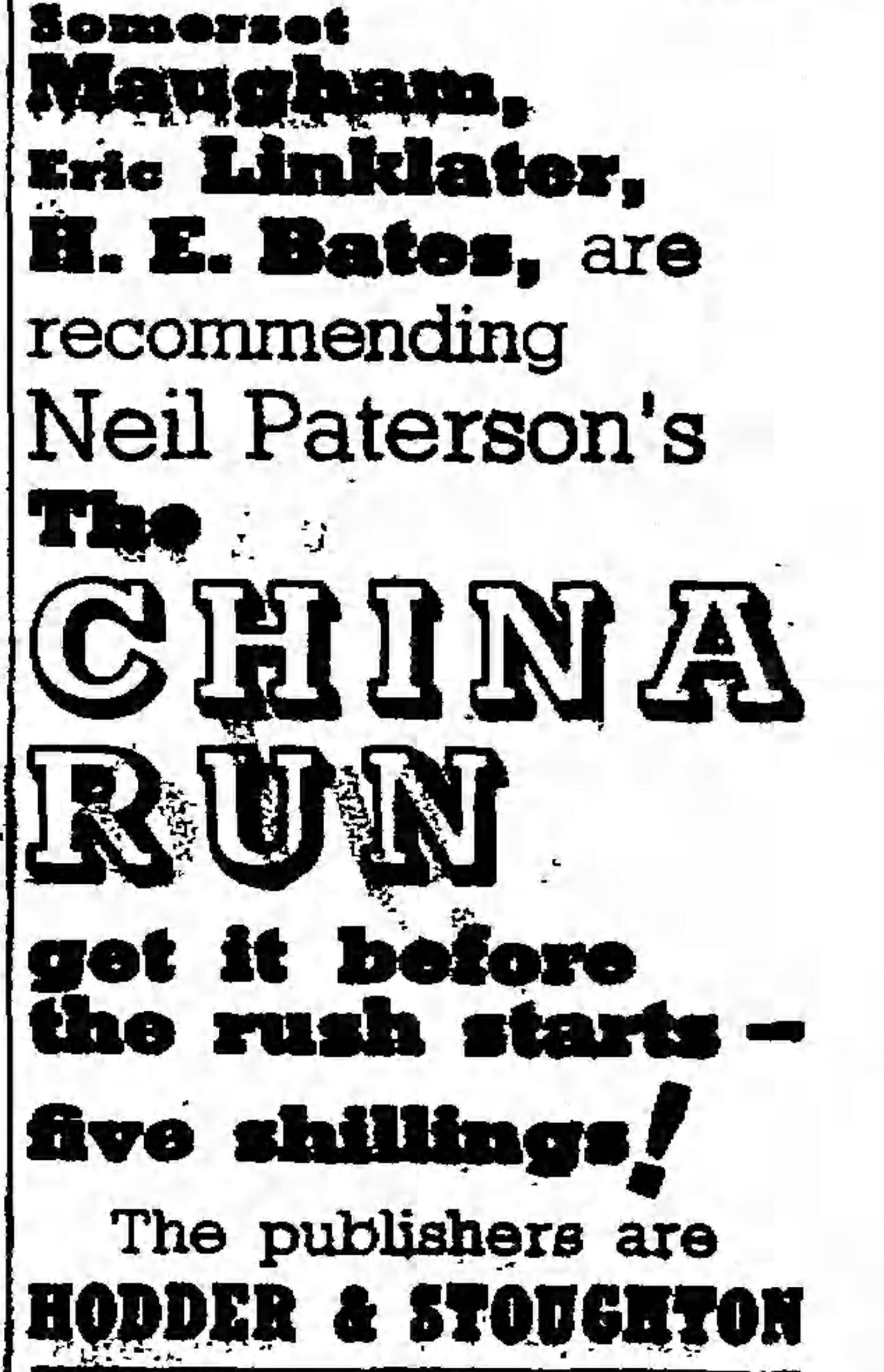
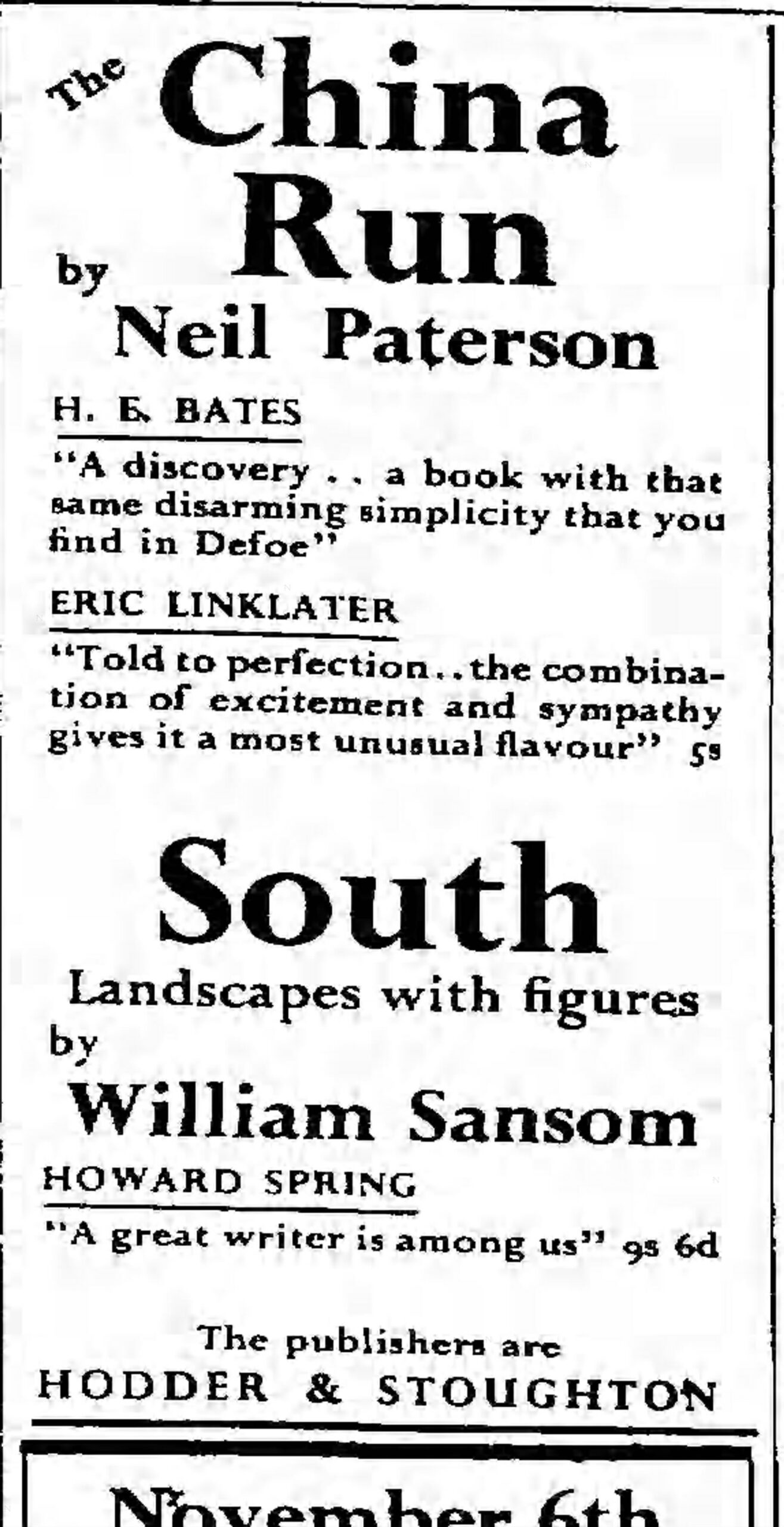
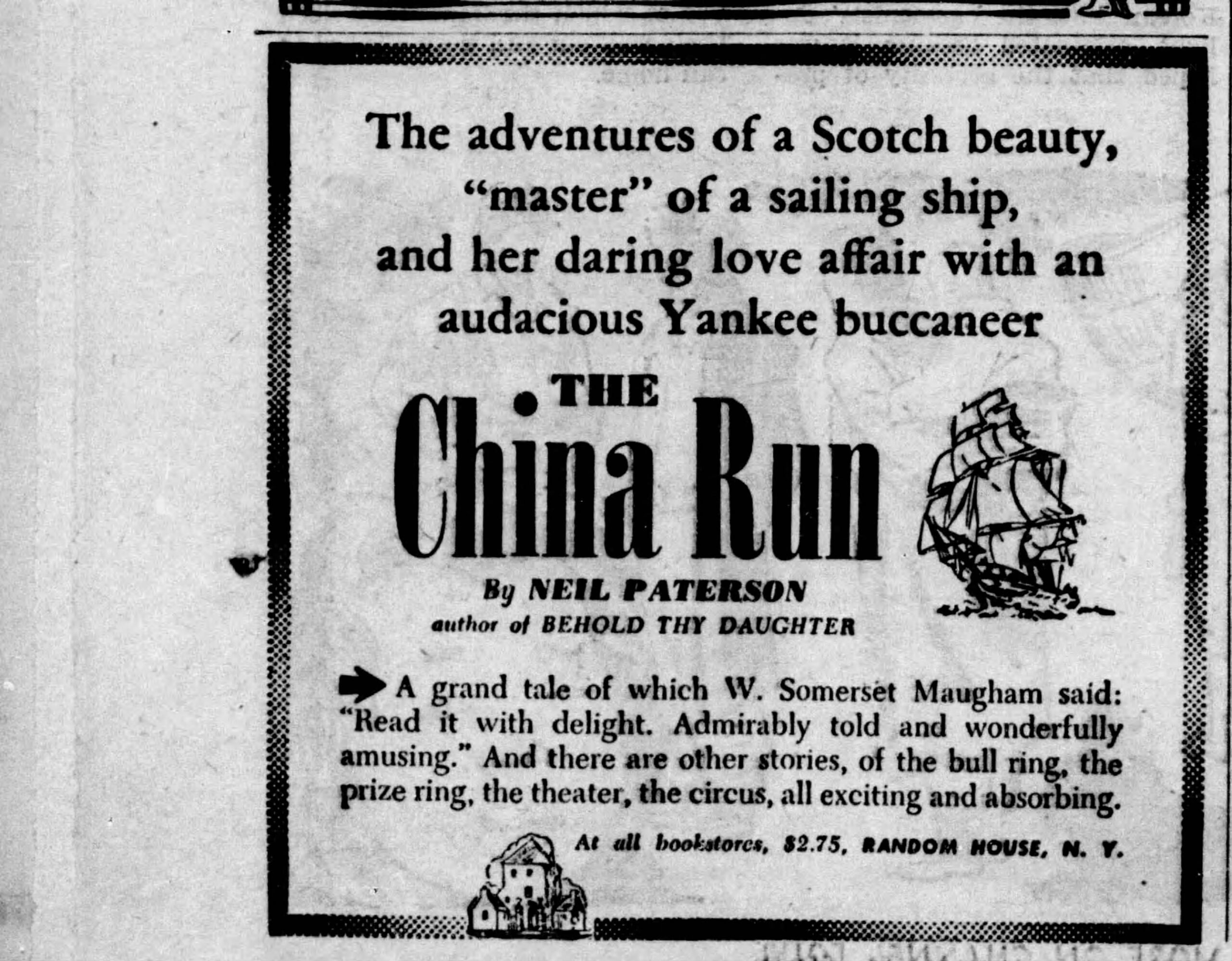
And it had some major fans. Somerset Maugham named it his Book of the Year in the New York Times following its post-war release while it was also praised by the novelists HE Bates and Eric Linklater, receiving warm reviews both sides of the Atlantic and especially in Paterson’s native Scotland.
The Tale…
And it is a stirring tale told concisely. The book opens with the narrator observing two uninspiring portraits of his supposed great-grandmother. Dissatisfied with how they capture her essence, he resolves to paint a “third portrait in words,” presenting the book as a factual biography.
Born in 1829 in a humble two-roomed house in the Scottish coastal town of Banff, Christian West grows up to be an unconventional woman. She marries a Welsh sea captain out of Cardigan Bay, the not wholly appealing Dai Evans, but refusing to endure long, lonely years ashore during his extended voyages, she insists on accompanying him to sea. While aboard, Christian rejects the passive role of a captain’s wife. She dedicates herself to mastering the complex arts of navigation, sailing, and being a ship captain.
Tragedy strikes when her husband dies unexpectedly during a voyage. Instead of handing control over to the crew or returning home in mourning, Christian uses her self-taught skills to assume full command of the ship. She successfully commands a commercial tea-clipper in the highly competitive China tea trade and the unglamourous and often dangerous Welsh roofing slate trade to South America in return for nitrate for fertilisers to spread on Welsh gardens.
Christian earns the respect of a rough, unruly crew, fights off pirates, navigates treacherous global waters, and operates a highly profitable business in a strictly male-dominated industry. At one point she has a brief affair with an American China Trade clipper captain (in a scene and story line of dated male fantasy that wouldn’t make the cut today as she submits during what is clearly a rape).
The novella tracks her extraordinary life until her peaceful death in 1893, concluding with a reference to her obituary in the Banffshire Journal.
But Unfortunately…
However, it must be noted that Paterson gives scant primary sources for his tale, no footnotes. Gripping and seeming revelatory as the story of this unique female ship captain in the China trade is it turns out to be pure fiction. It is a literary illusion – though it’s not clear if either Somerset Maugham or HE Bates realised this? Though some newspapers called it a “fictionalised biography” most reviews seem to have taken its genuineness at face value.
Still the descriptions of Iquique (Chile and formerly Peru) and Antofagasta (Chile) are illuminating on a now oft-forgotten two-way trade between Wales and Peru. Also the description of Melbourne in the nineteenth century feels solid. There are some imaginings of Fuzhou, the tea market and the pirates of the South China Coast down to the legendary Bias Bay that might have inspired James Clavell.
The book was translated into several European languages. It sold well in America where they hyped up the rather toxic relationship with the American clipper captain. The British newspapers reported that The China Run had been optioned by RKO and Rank for a movie – but it never happened sadly (perhaps when they worked out it was all fiction?). However there was a radio adaptation for the BBC Home Service.
Paterson…
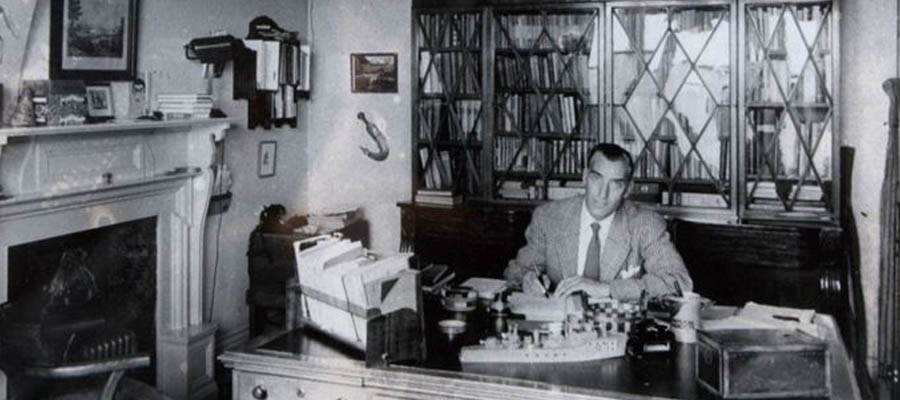
A word on Paterson as he had a rather remarkable life. He was educated at Banff Academy, hence the locale for The China Run. I’m pretty sure he’s the only Oscar winner to have come from Banff and captained a professional football team – while at Edinburgh University he played amateur football and rose to captain Dundee United for the 1936–37 season. He also played for Leith Athletic and Buckie Thistle (slightly less well known Scottish teams!). He served in the Royal Navy in World War Two mostly on mine sweepers thus learning a good bit of maritime terminology that would filter into The China Run.
At the 1960 Academy Awards Paterson won the Oscar for Best Adapted Screenplay for (the brilliant, and starring Laurence Harvey and Simone Signoret) Room at the Top beating both Billy Wilder’s script for Some Like It Hot and Ben-Hur. Convinced he wouldn’t win he didn’t bother leaving Scotland to head to LA. Reputedly Paterson later used his Oscar as a doorstop at his home in Crieff, his home in Perth and Kinross.
Leave a Reply