Hope Danby’s In Charming Peking (1930) & Her Beijing Life
Posted: October 15th, 2026 | No Comments »In the 1920s & 1930s Hope Danby was a familiar name in Peking’s “Foreign Colony”. She knew just about everyone who was anyone, edited and proofread many books, and wrote a few of her own too…
Remembering Dulcie Hope Danby
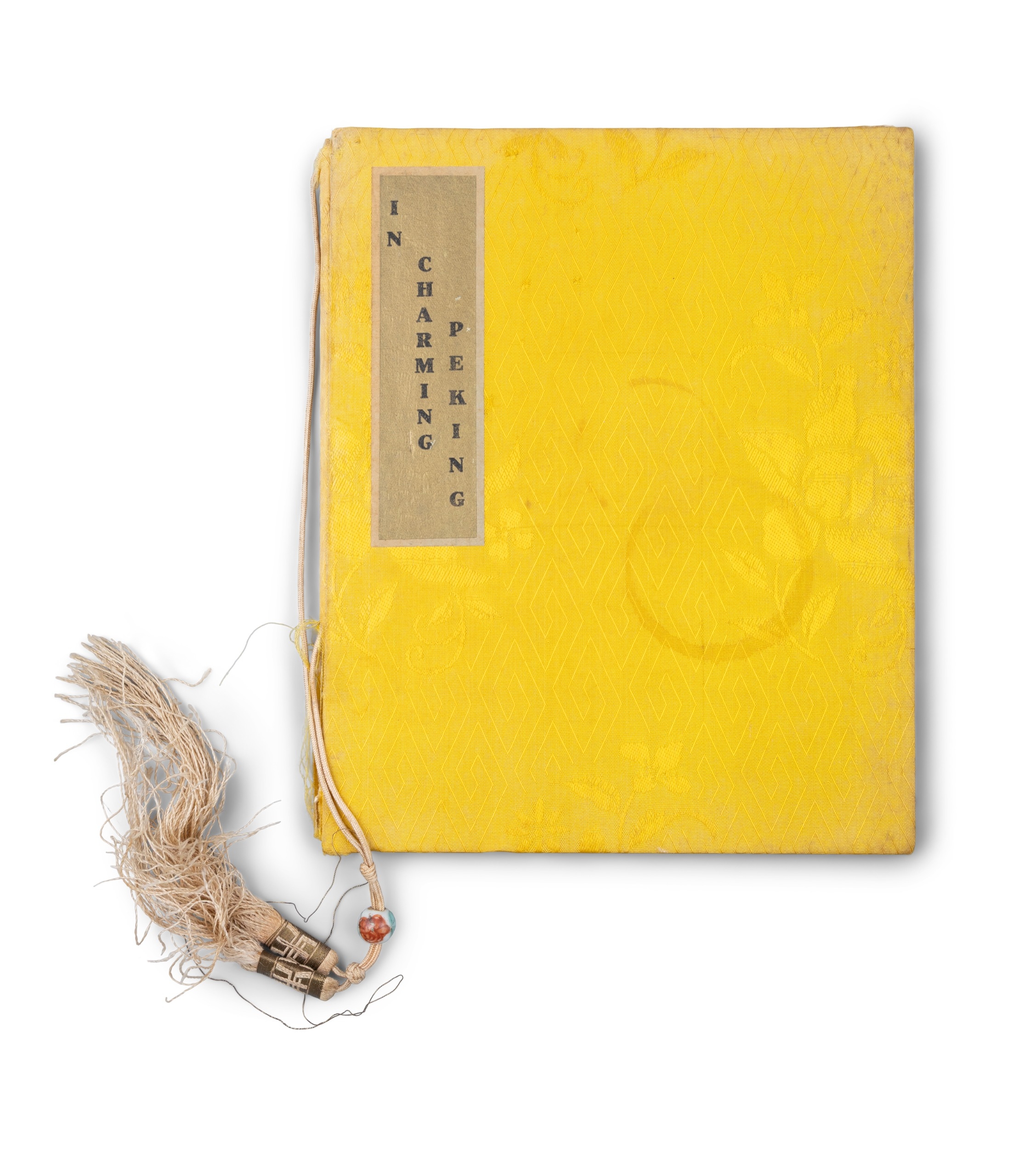
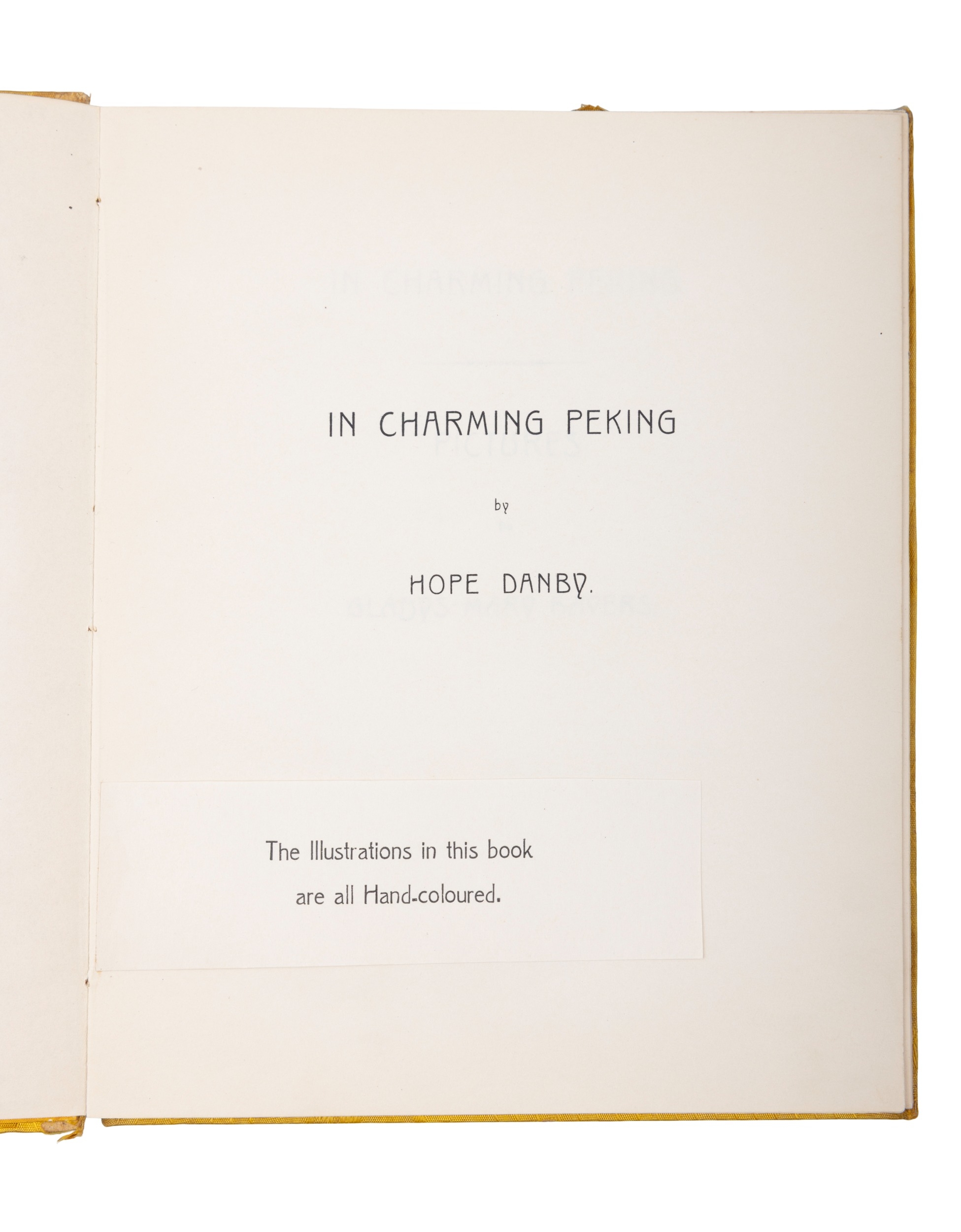
Recently came across a delightful copyof In Charming Peking: A Diary of Seven Days Spent in the Old Chinese Capital by Hope Danby with illustrations by Gladys Mary Havers. It was published and printed in 1930 by the North China Standard, a pro-Japanese English-language newspaper in Peking founded in 1919.
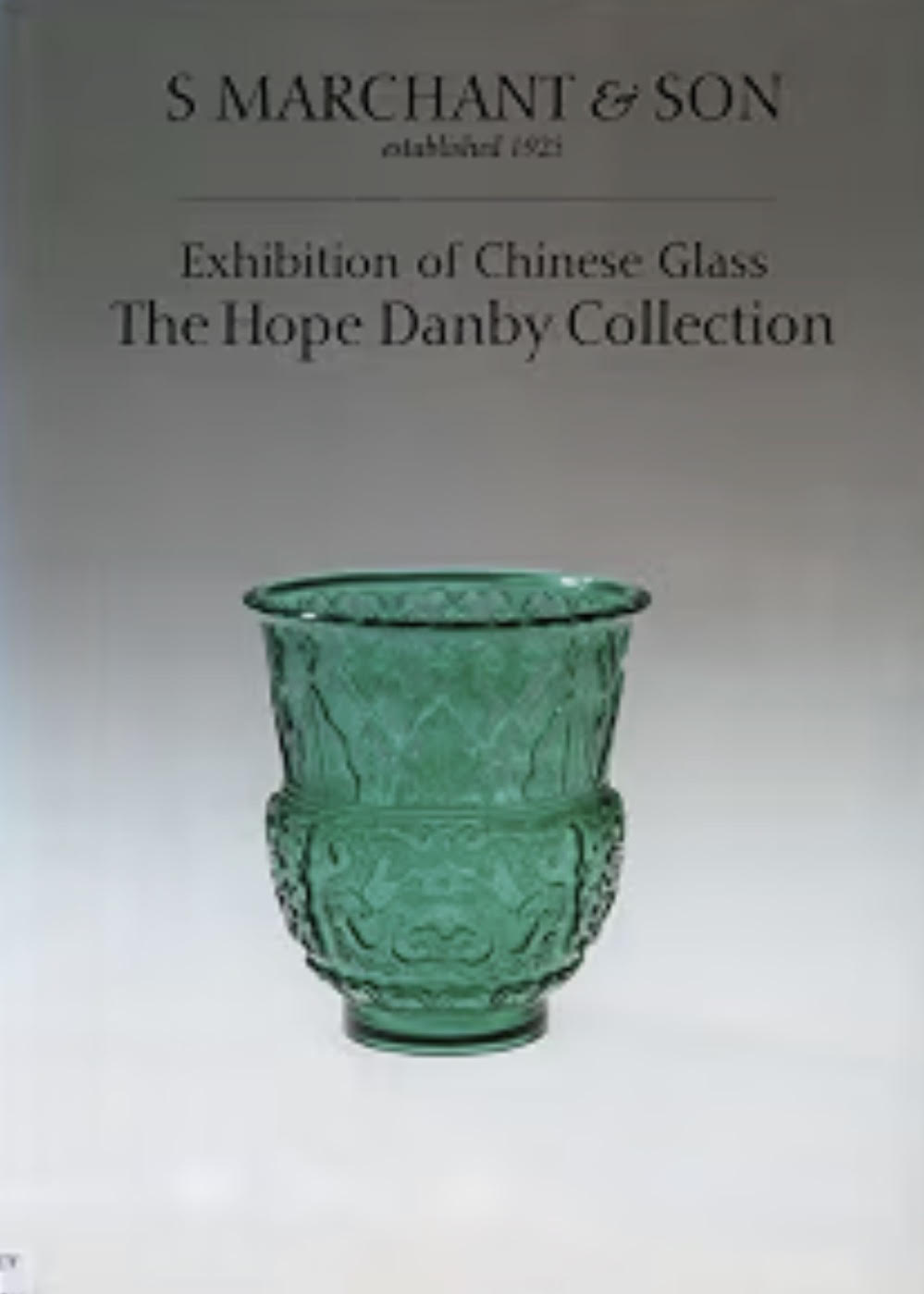
Hope Danby (she was invariably known as just “Hope”) was a prolific writer on Chinese history and archaeology as well as an avid collector of Chinese glassware… which later, after her death, came up for auction and was much praised as a collection.
She was friends with both the diplomat-scholar ETC Werner (see Midnight in Peking) and Edmund Backhouse (and he didn’t have that many!). She wrote Backhouse’s entry for the Dictionary of National Biography and also edited and proofread many of the most famous works of Sinology in the 1930s. These included reviewing and correcting the manuscript for Lewis Arlington and William Lewisohn’s seminal 1935 book, In Search of Old Peking. Lewisohn was obviously appreciative signing a copy to Hope…
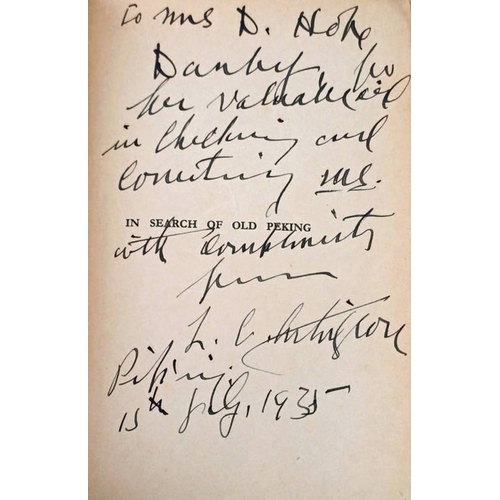
Dulcie Hope Bertie Danby, nee Smedley, (1889–1981) was born either in Derbyshire or East Manley, New South Wales (sources differ). The family did emigrate to Australia for a time and also lived in Hong Kong, China and Japan in the 1870s. She married Charles Gilbert “Cobbles” Hope Danby (1879–1958), a Yorkshireman who worked as an insurance agent in Asia.
Though In Charming Peking records a mere seven day trip, Hope Danby did eventually live in China, first in Hankow and then Peking. During World War Two, the Danbys remained in China, had two children (Noelle Pixie in 1913 – who died at just 14 – and Charles in 1918). They were briefly interned by the Japanese though repatriated in late 1942. They subsequently lived in Hawkhurst and Tunbridge Wells in Kent.
As well as In Charming Peking Hope Danby published a historical novel, The Illustrious Emperor (London: Ziff Davis, 1947) to mixed reviews. However the novel attracted a lot of newspaper attention as Hope claimed she’ d smuggled the manuscript out of China shortly before being interned and was reunited with it later in England.
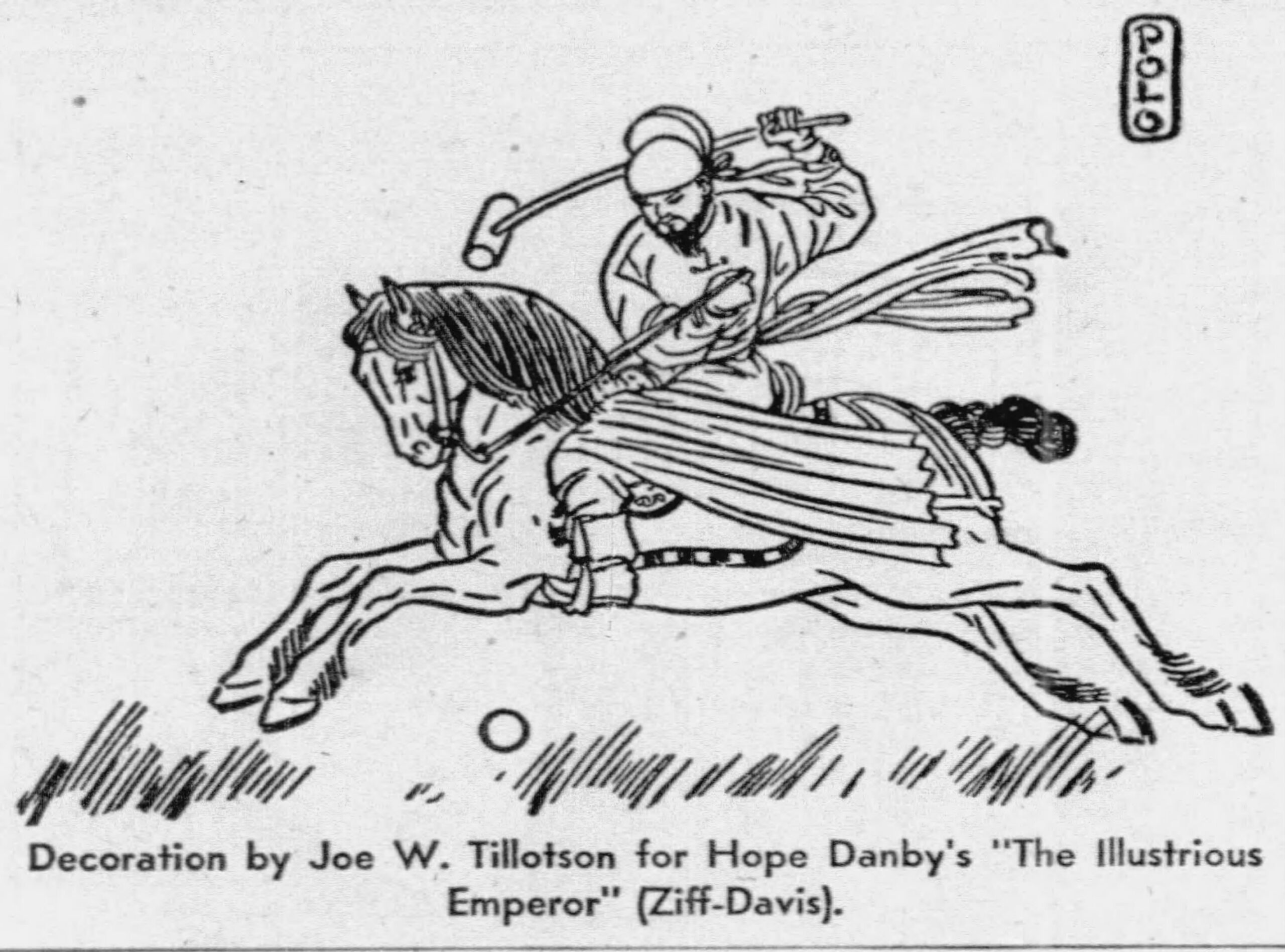
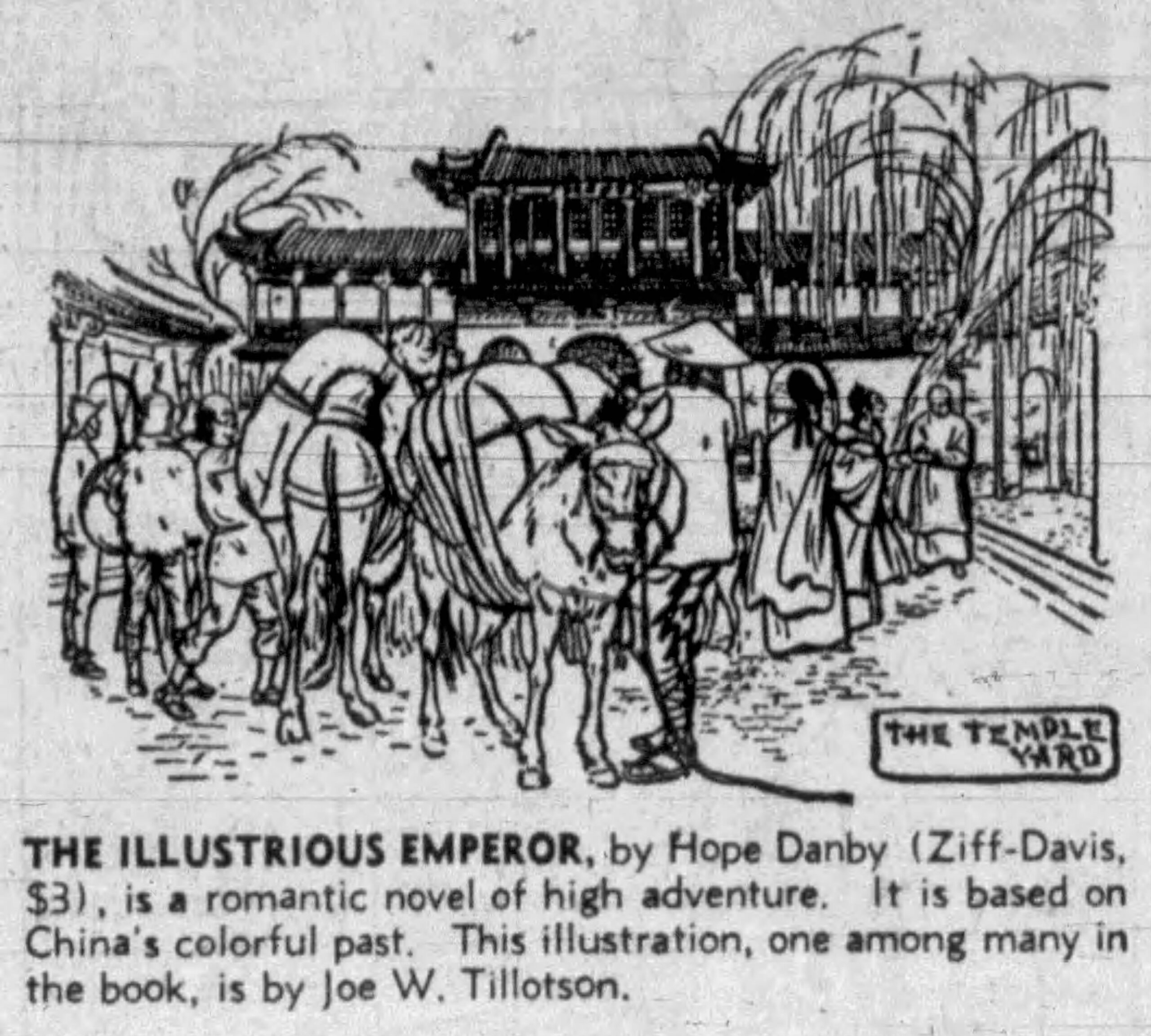
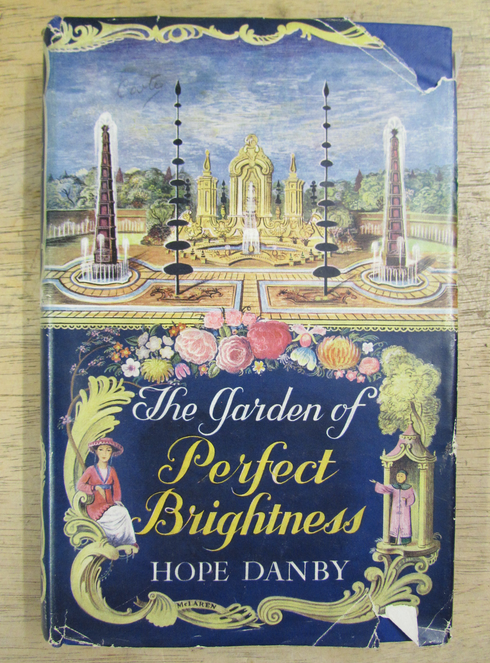
She also published The Garden of Perfect Brightness: The History of the Yuan Ming Yuan and of the Emperors Who Lived There (London: Williams & Norgate, 1950) detailing the rise and destruction of the Old Summer Palace, interestingly with an introduction by Sir John T Pratt (long-time China diplomat and brother of the actor Boris Karloff).
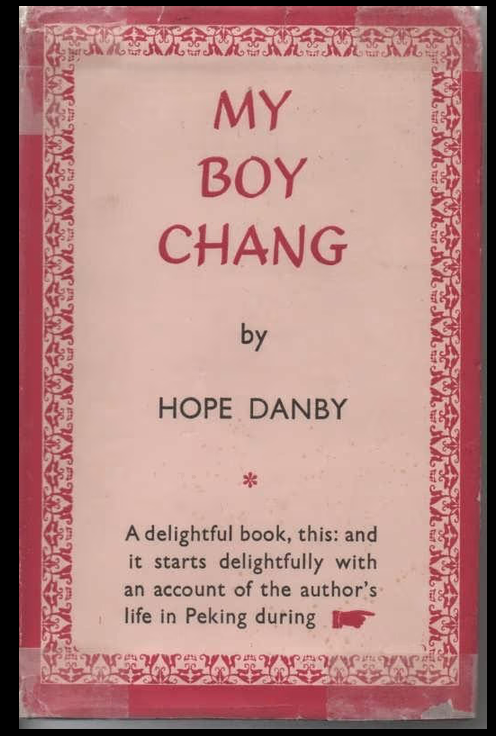
And finally My Boy Chang (London: Victor Gollancz, 1955), a memoir of interwar China focussed on Hope’s relationship with her house-servant (or “boy” in the lingo of the times)…
PS: Gladys Mary Havers
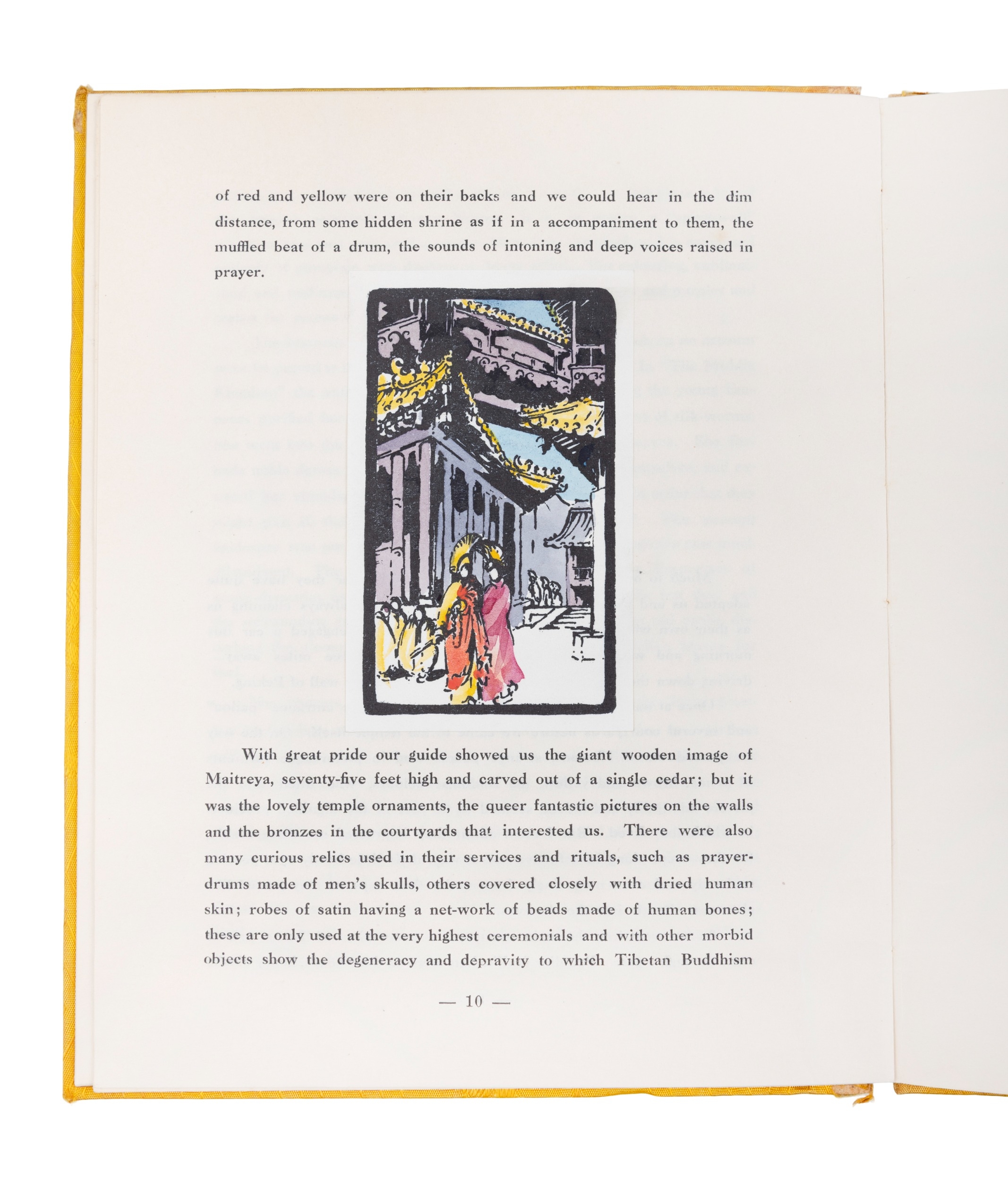
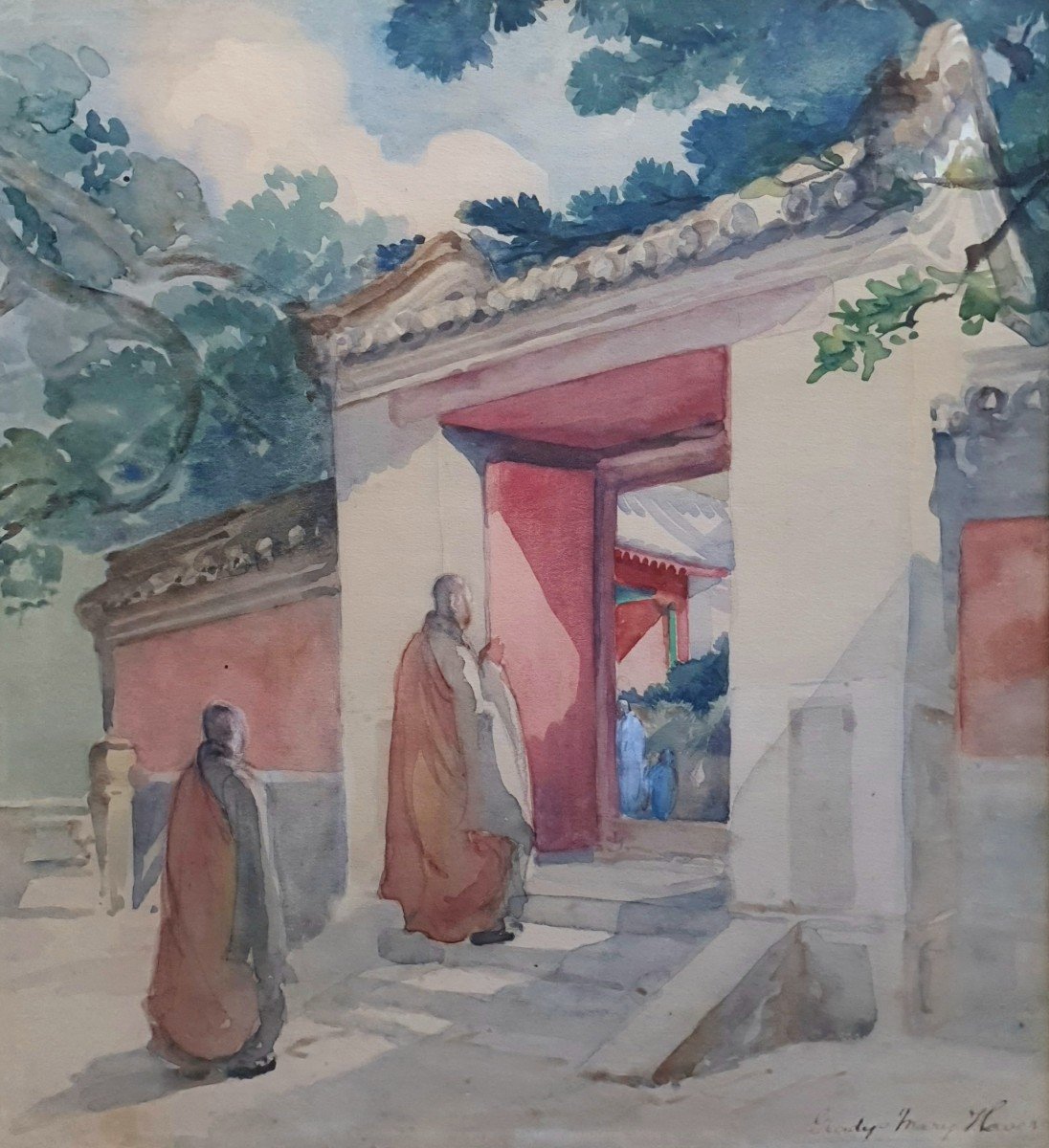
You’ll have noticed above the colour illustration accompanying Hope Danby’s In Charming Peking . They were provided by Gladys Mary Havers (later Gladys Mary Smedley Dunn, 1881–1954). Here’s a couple more….
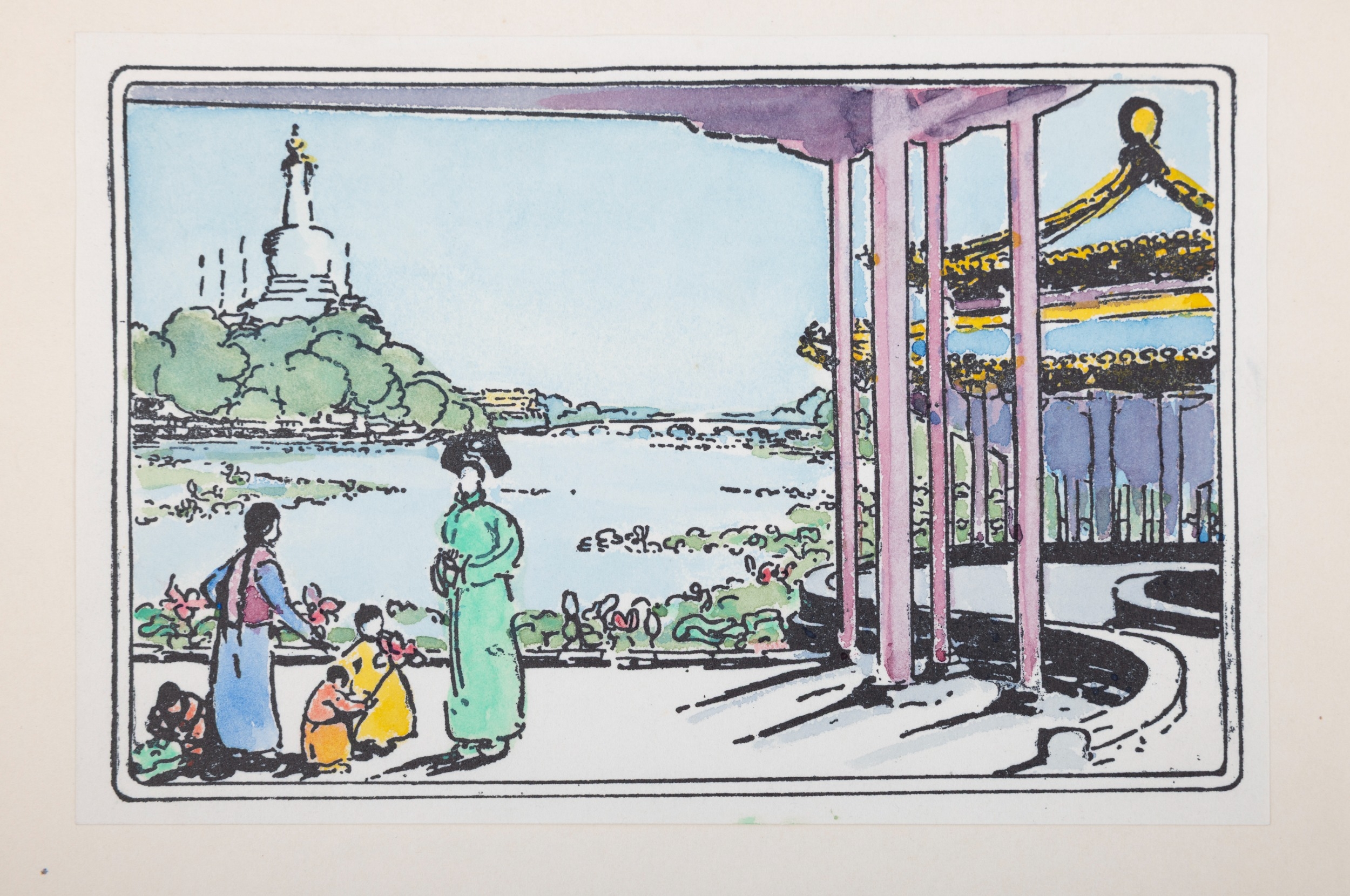
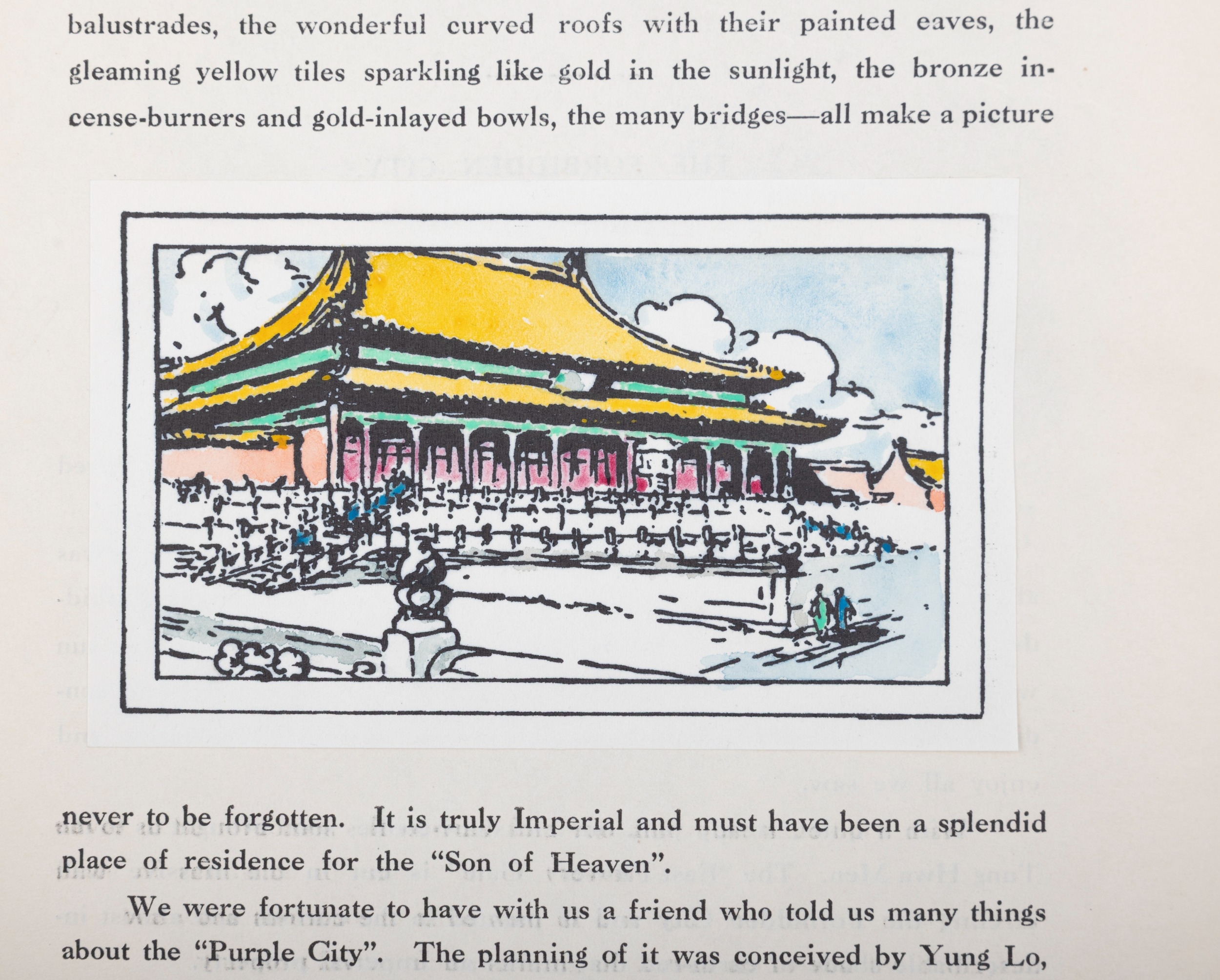
Havers was a British-Australian artist and illustrator best known for her vivid visual illustrations of China. She was born in New South Wales and then spent a significant portion of her adult life living and working in Shanghai and Peking. I believe she was Hope’s sister—in-law. She married her first husband, Arthur de Vere Havers, in Shanghai in 1898, though retained “Gladys Mary Havers” as her professional name. I think Hope’s brother was her second husband – but any clarification on that welcome? She certainly was also an accomplished watercolourist….
Leave a Reply