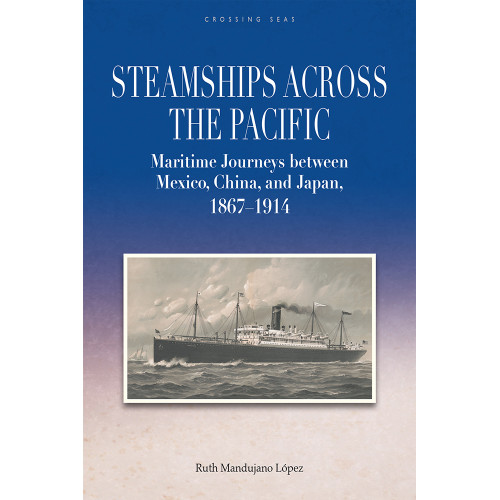
During the nineteenth century, the transpacific world underwent profound transformation, due to the transition from sail to steam navigation that was accompanied by a concomitant reconfiguration of power. This book explores the ways in which diverse Mexican, British, Chinese, and Japanese interests participated, particularly during Porfirio Díaz’s presidency at the peak of Mexico’s participation in the steam network: from its 1860s outset through a time of many revolutionary changes ending with the World War, the Mexican Revolution, the opening of the Panama Canal, and the introduction of a new maritime technology based on vessels run by oil. These transoceanic exchanges, generated within these new geographies of power, contributed not only to the formation of a transpacific region but also to refashioning the Mexican national imaginary.
With transnationalism, global and migration studies as its main framework, this study draws upon a dazzling array of primary sources to center Mexico’s transpacific relations and the influence they wielded over the region at the height of the steamship period.
Mahjong of course remains a part of life in the Chinese world, and is having a sometimes curious sort of revival among some groups in America at the moment attracting attention – as in the slightly bizarre March New York Times magazine piece which led to a lot of justified ridicule online – below if you haven’t seen it). Of course Mahjong has a history and was also popular with Shanghailanders in the early twentieth century. And so guides and rules had to be published in English too by enterprising local publishers.
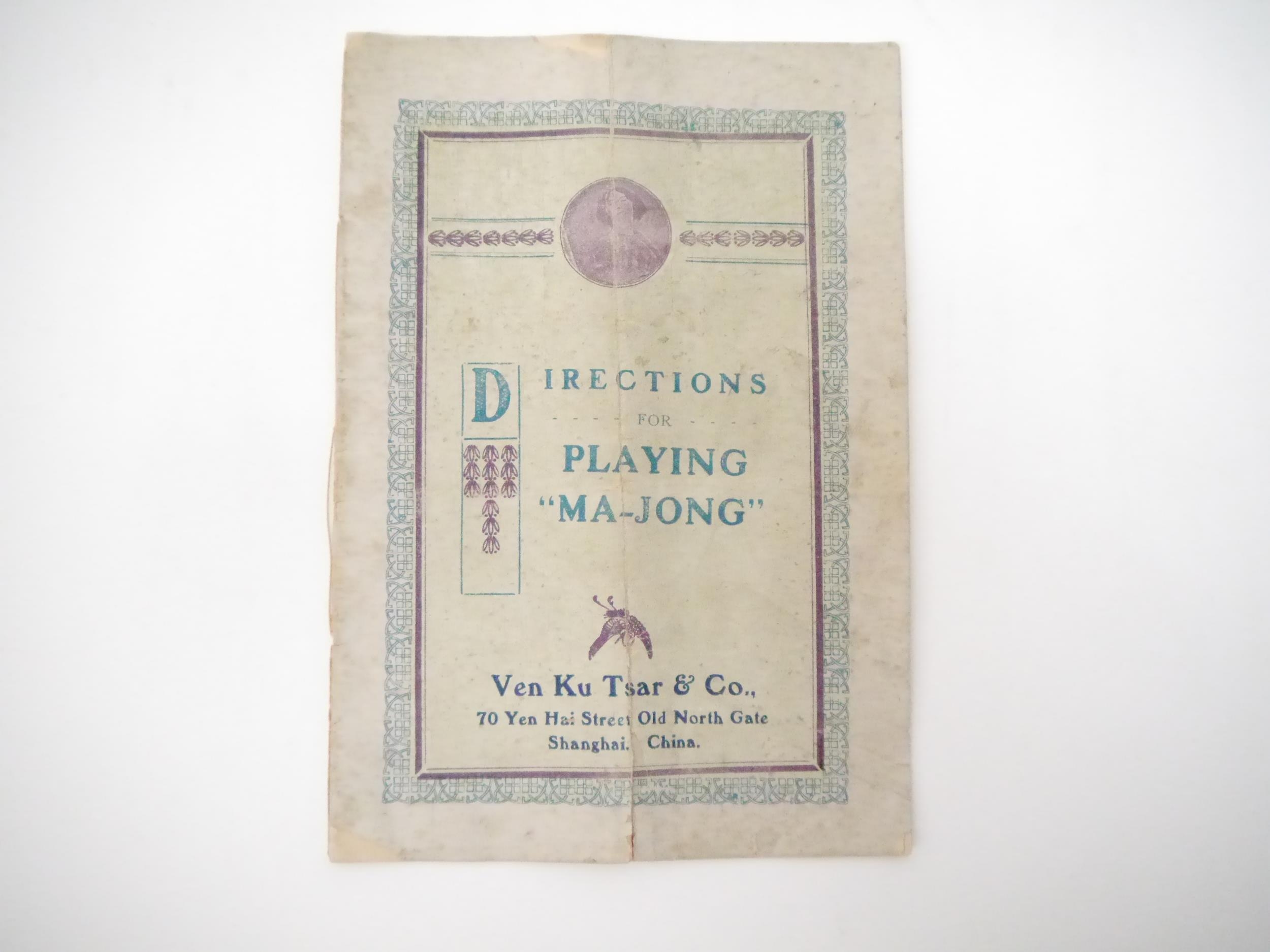
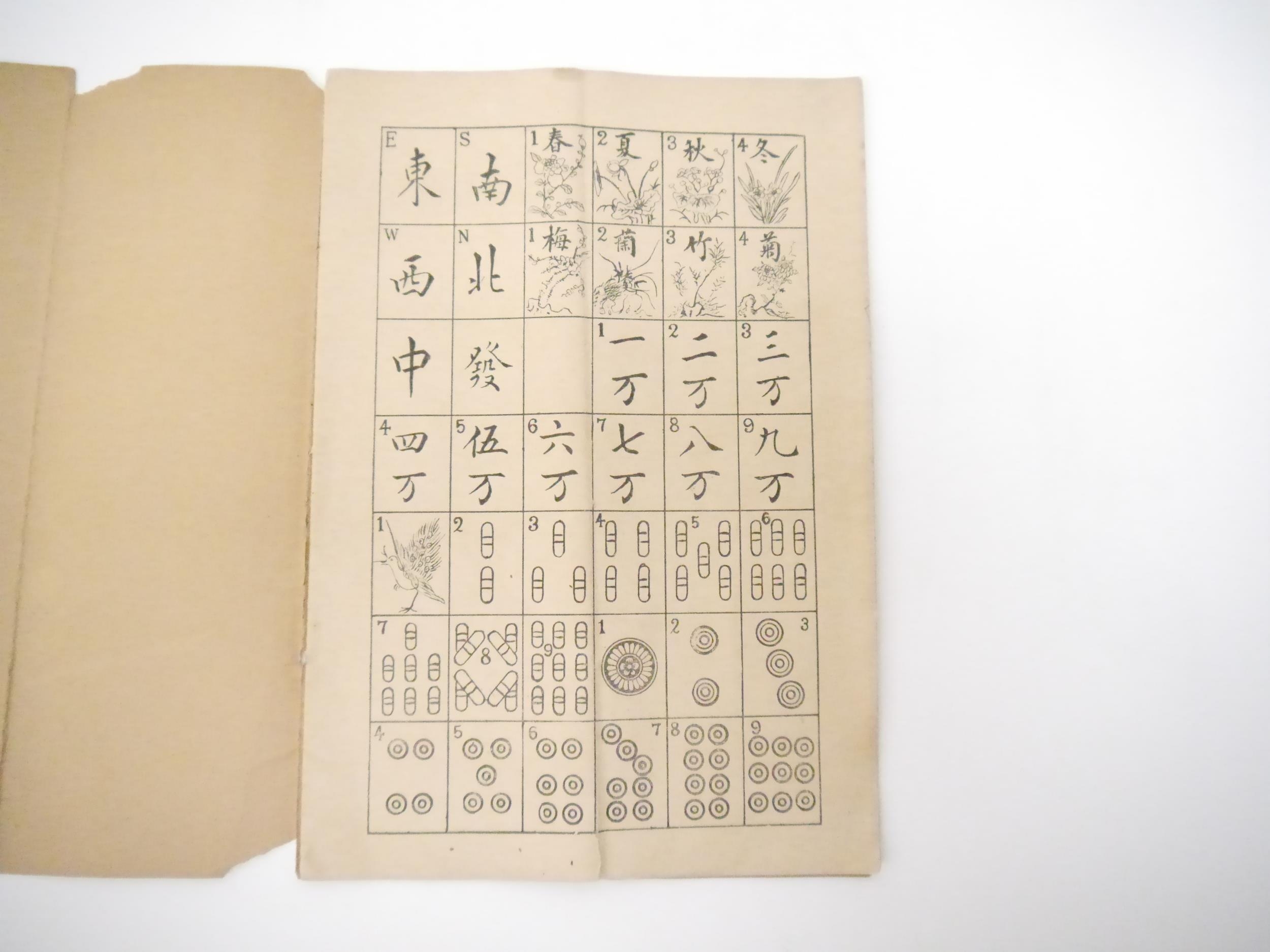
A rare copy of Directions for Playing Ma-Jong, (Mahjong) published by Ven Ku Tsar & Co., (文源齋), a curio and fine arts dealer located in the Shanghai French Concession of during the early 20th century. It’s just nine pages with illustrations. The address is #70 Yen Hai Street, Old North Gate (Laobeimen), Shanghai – so the old town (Nanshi). Their store was at #416 Rue Eugene Bard (which, depending on which end of the street #416 at that time, was either Taicang Road (South) or Shunchang Road (North).
[nd], c.1910, full page illustration followed by 9pp text
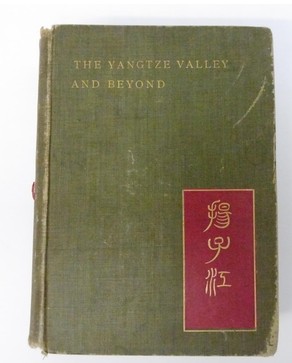
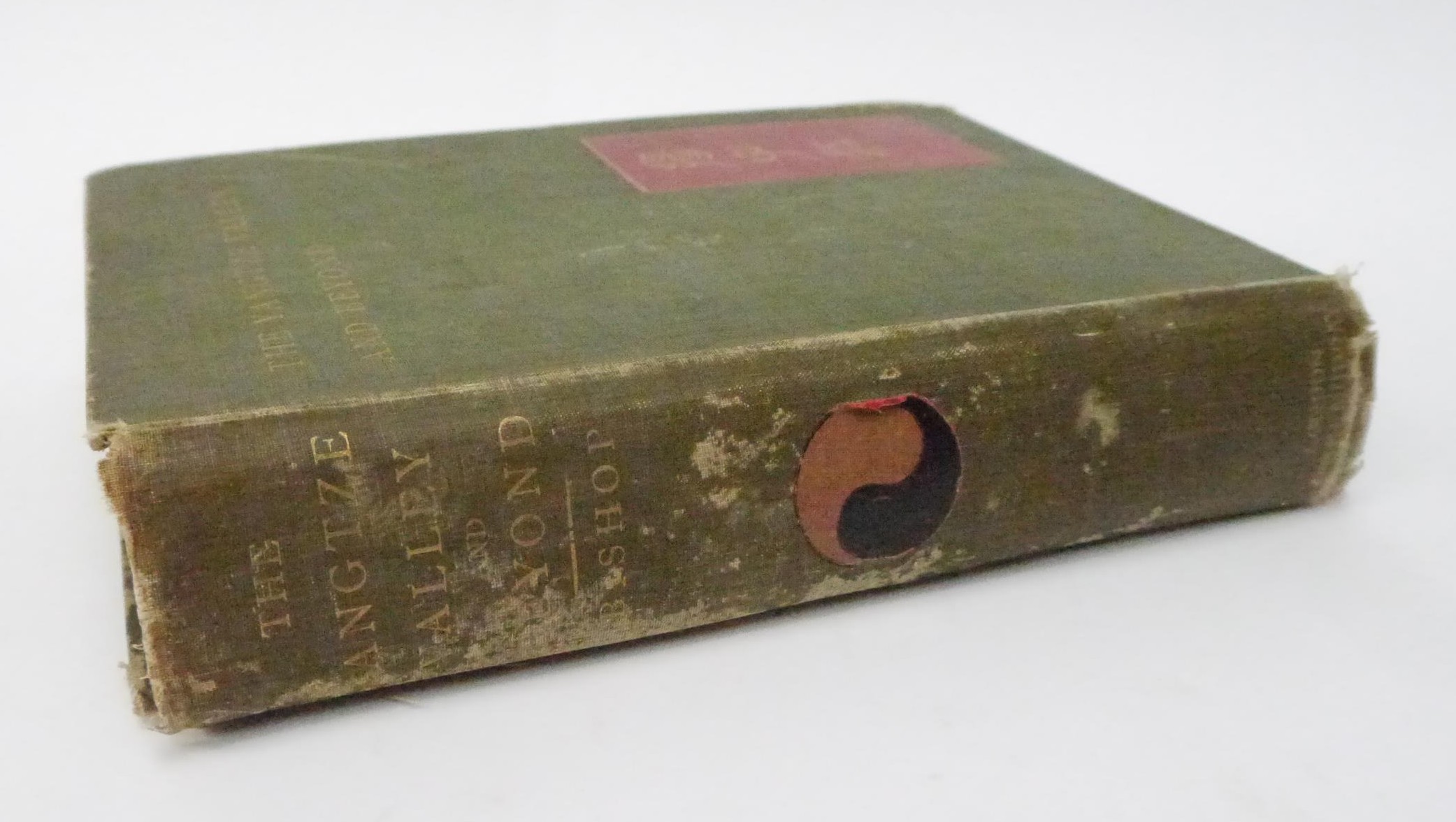
A first edition of Mrs J.F. Bishop (aka Isabella L. Bird): The Yangtze Valley and Beyond. An Account of Journeys in China, Chiefly in the Province of Sze Chuan and Among the Man-Tze of the Somo Territory.’, London, John Murray, 1899. Features the original publisher’s green cloth binding features a distinctive circular Yin and Yang symbol stamped on the spine and a prominent red title block on the front boar.
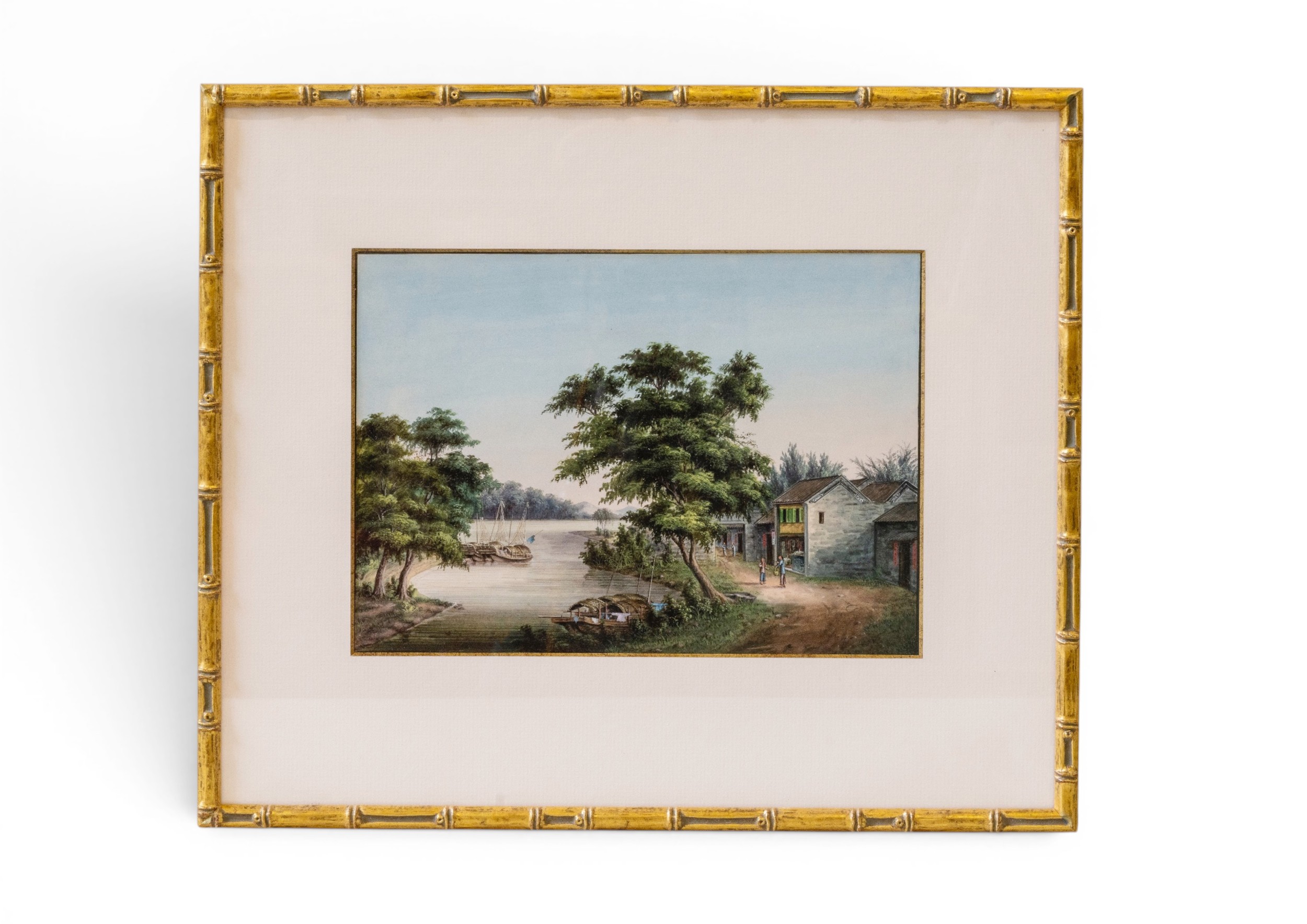
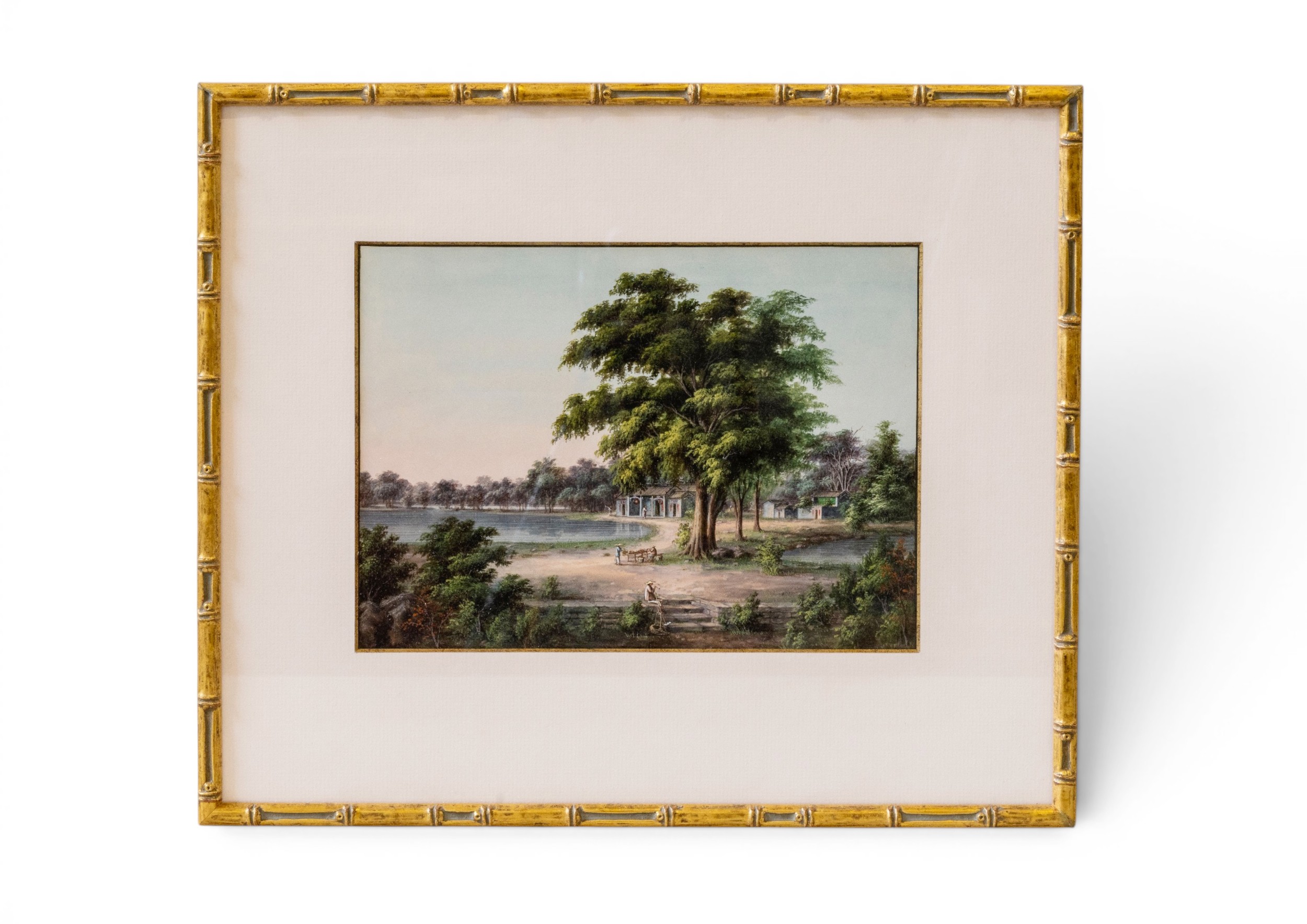
A pair of Chinese gouache and watercolour paintings on paper (and framed in bamboo), c.1856. Pearl River village scenes – fishermen families and their boats; flowering branches being sorted, with a figure smoking a pipe seated beside a staircase in the foreground. The pair come from an album of 49 leaves painted in 1856 1856. The album, sent as a gift to family in Dortmund, came with a German inscription which stated it was from Loo Ling Hong, Shanghai, March 1861 (Loo Ling was the Hong name for Dircks & Co., Commission Merchants). Dircks was originally a Swatow (Shantou) based firm from the 1860s founded by H. A. Dircks and Louis Ortmann.
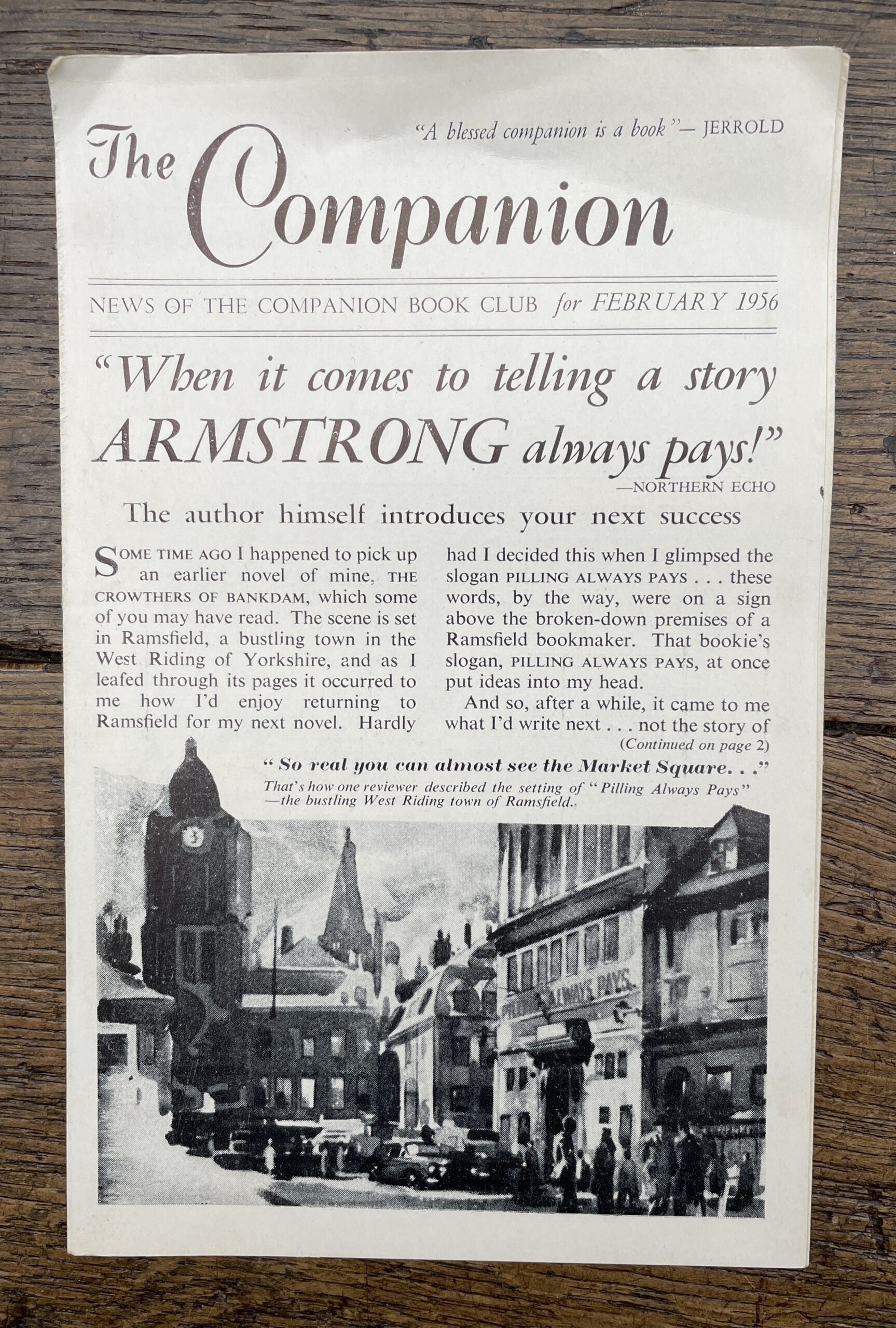
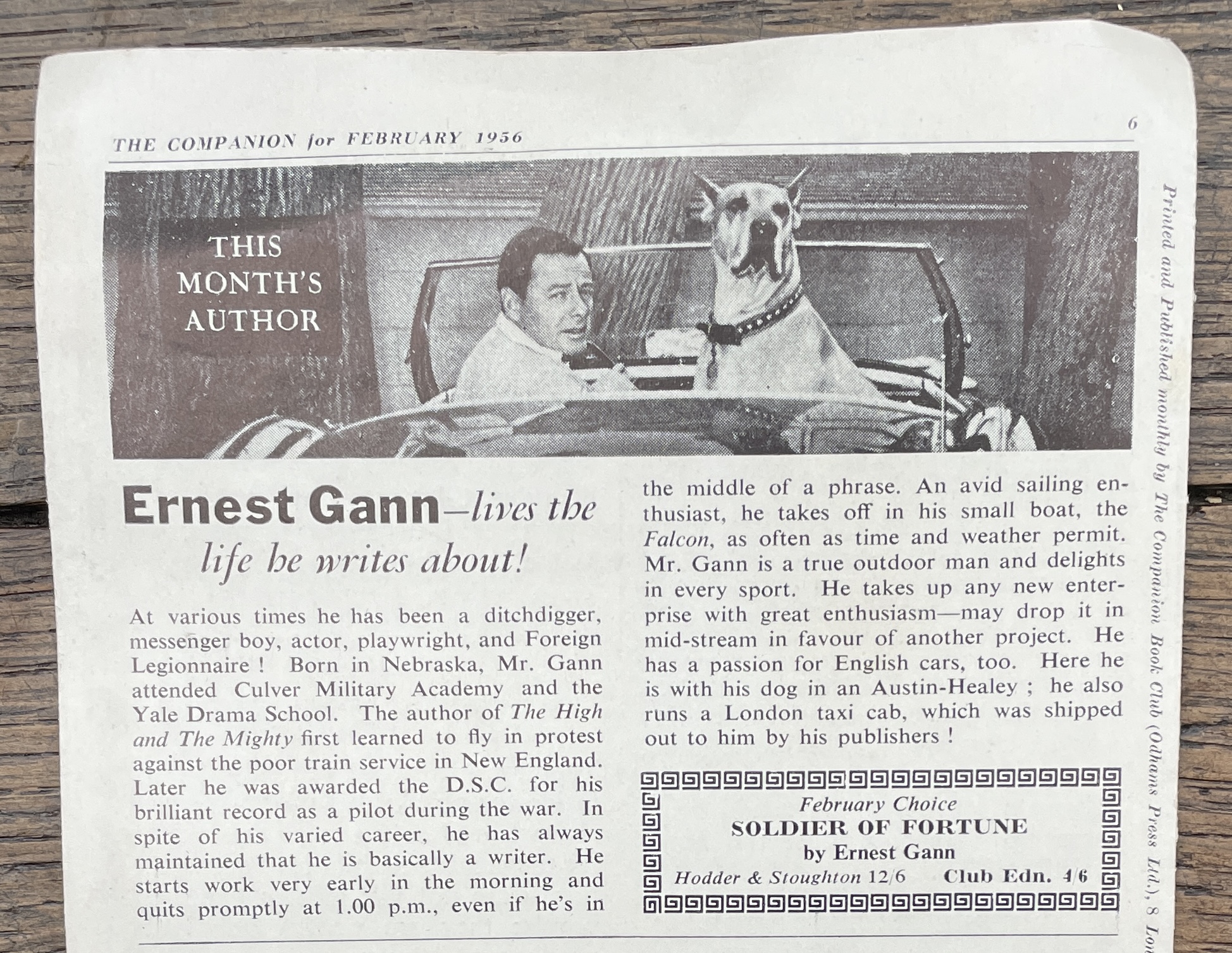
Looking through some old books I came across this copy of The Companion Book Club’s (UK) newsletter from 1956 (my mum was a member in the 1950s and 60s).
And it just happened to include a profile of Ernest K Gann and his (then) new book Soldier of Fortune, set in Hong Kong and Macao and later a Clark Gable movie. I recently wrote about the novel for my column in Macau Closer magazine if your interest is piqued….. click here
Arthur Waley, the English orientalist and Sinologist who achieved both popular and scholarly acclaim for his translations of Chinese and Japanese poetry, hung out with the Bloomsbury Group, had a messy private life and worked at the British Museum with Laurence Binyon join the London Library in 27/10/21, the independent lending library in St James’s, established in 1841. The London Library recently made some of their archive records available online.
Waley was Assistant Keeper of Oriental Prints and Manuscripts at the British Museum at the time he joined on 27/10/21. However, he fairly swiftly resigned on 1/8/22 citing the introduction of earlier closing times. Another great mystery solved!!!
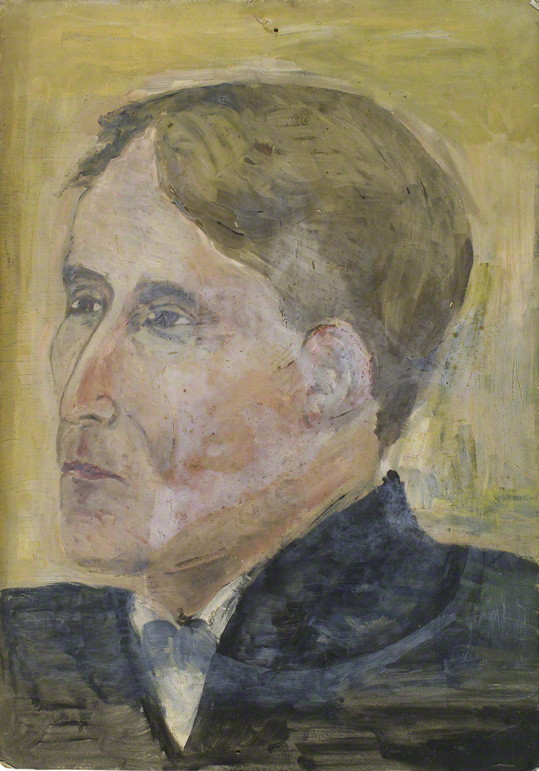
Portrait of Arthur Waley by Rachel Pearsall Conn Costelloe (‘Ray’) Strachey, 1925
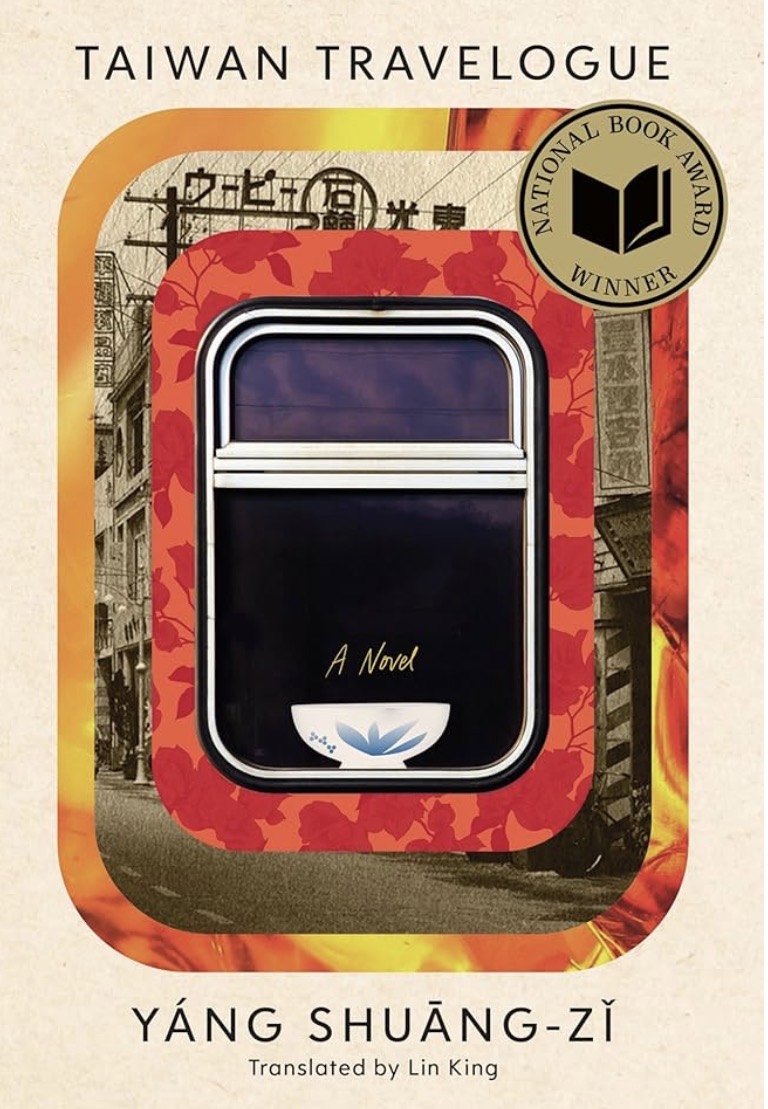
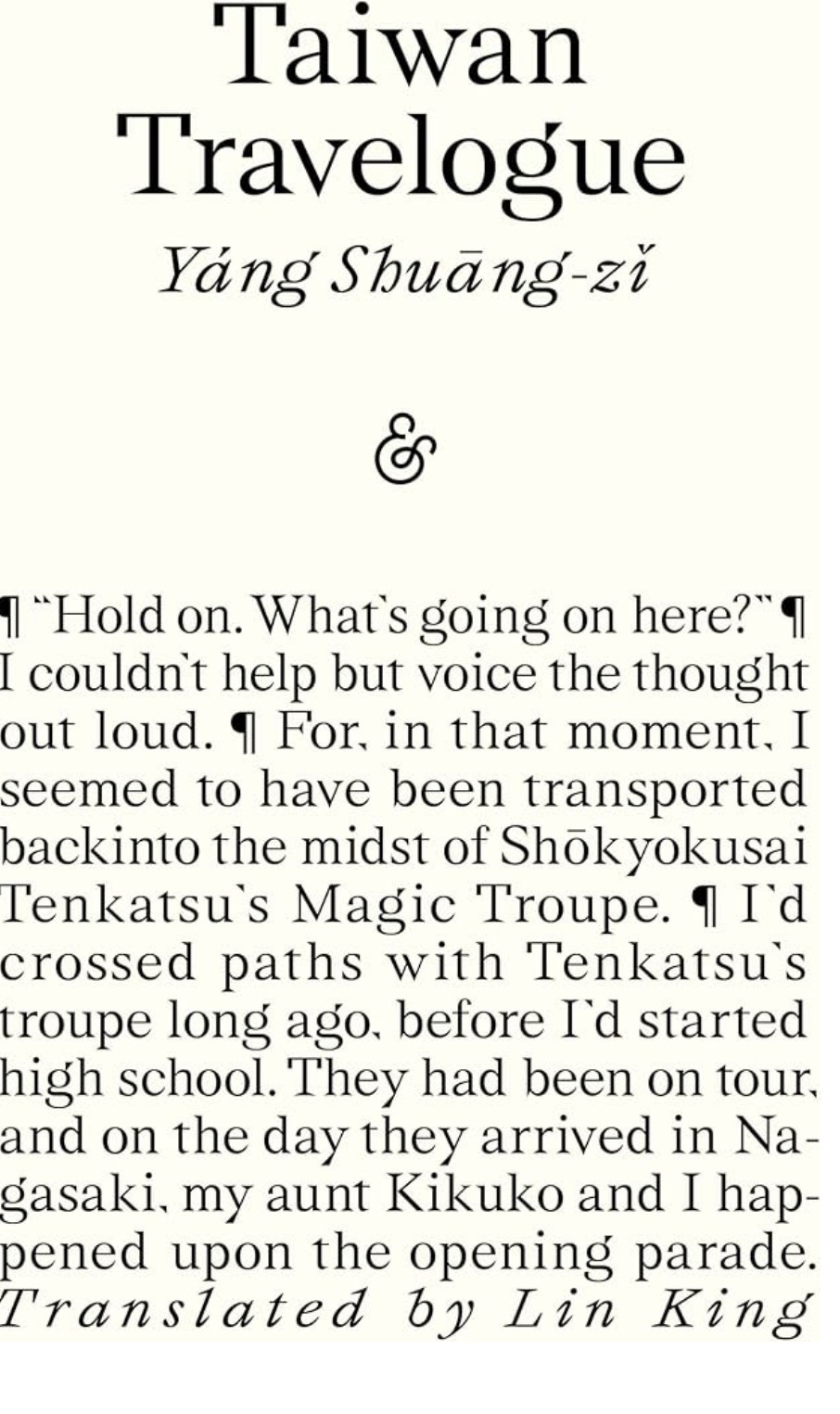
Massive congratulations to Yang Shuang-zi and translator Lin King on the excellent Taiwan Travelogue winning the International Booker 2026 (and on being first book in mandarin Chinese to do so)….. if you haven’t read it, but it today (and support small presses too….)