This is an exmaple of the medal given to the men who served with the British in the 8-Power Allied Army camapign that stormed Peking in 1900….China War Medal 1900 with Queen Victoria on one side and a design featuring cannons and some rather un-Peking like foliage on the other side.
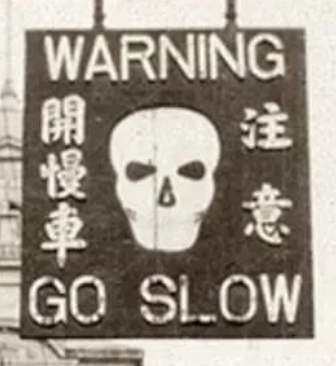
The latest in my occasional series of old Shanghai signage (use the search box if you want to see other examples). This, I don’t think, was not a common sign and indeed this may have been the only one but it’s fairly ominous!
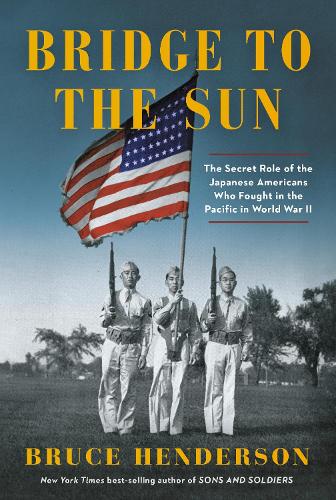
One of the last, great untold stories of World War II–kept hidden for decades–even after most of the World War II records were declassified in 1972, many of the files remained untouched in various archives–a gripping true tale of courage and adventure from Bruce Henderson, master storyteller, historian, and New York Times best-selling author of Sons and Soldiers–the saga of the Japanese American U.S. Army soldiers who fought in the Pacific theater, in Burma, Iwo Jima, Okinawa, with their families back home in America, under U.S. Executive Order 9066, held behind barbed wire in government internment camps. <p/> After Japan’s surprise attack on Pearl Harbor, the U.S. military was desperate to find Americans who spoke Japanese to serve in the Pacific war. They soon turned to the Nisei–first-generation U.S. citizens whose parents were immigrants from Japan. Eager to prove their loyalty to America, several thousand Nisei–many of them volunteering from the internment camps where they were being held behind barbed wire–were selected by the Army for top-secret training, then were rushed to the Pacific theater. Highly valued as expert translators and interrogators, these Japanese American soldiers operated in elite intelligence teams alongside Army infantrymen and Marines on the front lines of the Pacific war, from Iwo Jima to Burma, from the Solomons to Okinawa. <p/>Henderson reveals, in riveting detail, the harrowing untold story of the Nisei and their major contributions in the war of the Pacific, through six Japanese American soldiers. After the war, these soldiers became translators and interrogators for war crime trials, and later helped to rebuild Japan as a modern democracy and a pivotal U.S. ally.
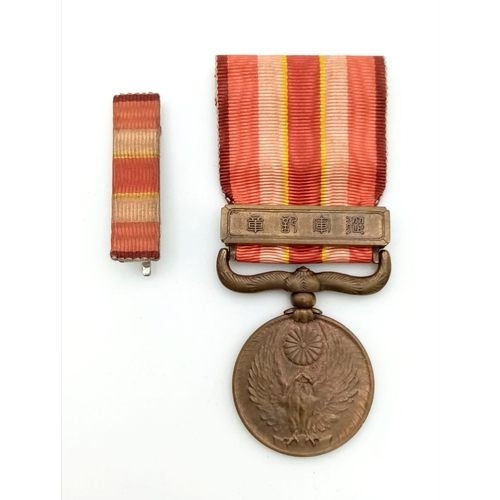
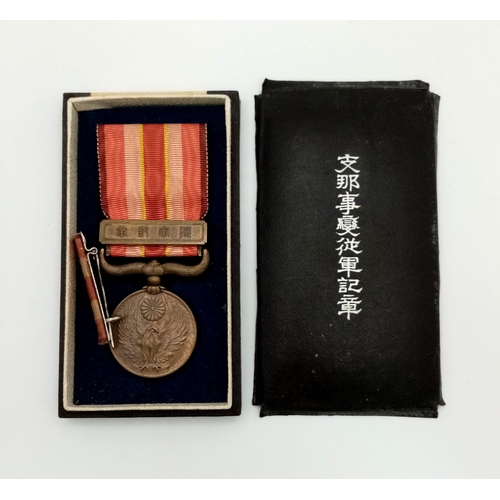
A quite rare campaign medal for Japanese troops involved in the camapign take control of, and annex, Manchuria in the early 1930s. For service to the Japanese Empire during the Manchurian campaign 1931-34.
I’ve posted previously on various Shanghai silvermsiths, a big business in Shanghai pre-1949 now totally gone. Woshing (or Wo Shing) mainly targeted the export and local Shanghailander market as well as mostly being originaly Cantonese silversmiths who moved north to Shanghai. I’ve noted manufacturers such as Luen Wo, Zeewo and Tuck Chang. Today a snuff box with foliate decoration from the Shanghai silversmiths Woshing….
snuff box
white metal figurine depicting a roast pork vendor
A Chinese silver three-piece tea service, late 19th century. Makers marks for Woshing, Shanghai, comprising a teapot, milk jug and sugar bowl, with simulated bamboo handles and spout, the body decorated with dragons in high relief
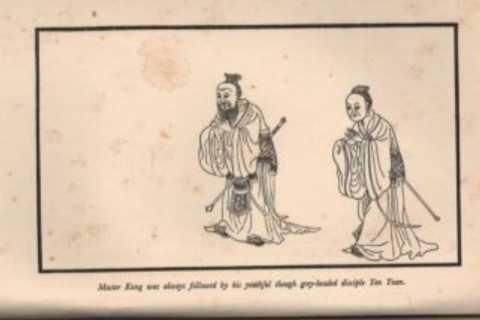
An illustration from Carl Crow’s Master Kung: The Story of Confucius (1937), ‘Master Kung was always followed by his youthful though grey haired disciple Yen Yuan.’
A triptych by Japanese artist Nobukazu Yosai (1872-1944) entitled ‘Attacking Beijing’ from 1894 and the First Sino-Japanese War. Published in Japan by Hasegawa Tsunejiro.
A quick bio of Nobuzaku: He worked in a variety of genres from pictures of beautiful women (bijinga) to famous views of modernizing Tokyo (kaika-e), including depictions of domestic industrial exhibitions, depictions of the emperor and empress, and war and rebellion prints (senso-e).