According to Christie’s: ‘The artist and miniaturist known as Tingqua (1809-1870) was Guan Lianchang, now thought to be the fourth son of Spoilum and a younger brother of Lamqua. He specialised in works on paper, unlike his father and brother who worked in oils. His studio flourished from the 1820s through to the 1860s. Tingqua’s own work is distinguished by its very fine quality, and works are attributed to him, or to his studio artists, on that basis.’
A lovely gouache on paper by Tingqua – the Porto Exterior at Macao….
According to Christie’s: ‘The artist and miniaturist known as Tingqua (1809-1870) was Guan Lianchang, now thought to be the fourth son of Spoilum and a younger brother of Lamqua. He specialised in works on paper, unlike his father and brother who worked in oils. His studio flourished from the 1820s through to the 1860s. Tingqua’s own work is distinguished by its very fine quality, and works are attributed to him, or to his studio artists, on that basis.’
WHEN: November 23,Wednesday, 7.00PM-8.00PM Beijing Standard Time
MORE ABOUT THE EVENT: The talk encompasses Nick Kitto’s Treaty Port Project.
Nick will describe how his interest in treaty ports arose, his approach to the Project, the quality of the restorations, and then take a look at two of the lesser known treaty ports, both of which involved some members of his family.
The goal of The Treaty Port Project was simple: to visit as many of the former treaty ports and foreign settlements as possible and to photograph as many of the surviving buildings from that era as possible. The Project commenced in 2008 and ended, at least for now, 12 years later with the publication in 2020 of Trading Places, A Photographic Journey Through China’s Former Treaty Ports. From a collection of some 4,000 images, approximately 750 were chosen for the book and relatively more pages were devoted to those from the lesser known ports rather than the larger and better known such as Shanghai and Tianjin. A secondary but important objective was to ensure that the buildings could be located by those interested in doing so. Due to space limitations, the maps in the book are of limited use and, consequently, the book’s rear sleeve contains a QR code which allows readers to locate every building in the book, and a few more besides.
HOW MUCH: This online event is free for RASBJ members, and members of partner RAS branches; RMB 100 for non-members. If you know someone who wants to join RASBJ to attend this talk, please ask them to sign up at https://rasbj.org/membership/ at least 72 hours before the event.
HOW TO JOIN THE EVENT: Members of RASBJ, -please click “Register” or “I Will Attend” at least 48 hours before the event, and follow the instructions. After successful registration, you’ll receive a confirmation email with a link to join the event. If you seem not to have received it, please check your spam folder to ensure you see all RASBJ emails.
Members of partner RAS branches: Please register at least 72 hours in advance to allow time for membership verification. After successful registration, you’ll receive a confirmation email with a link to join the event. If you seem not to have received it, please check your spam folder to ensure you see all RASBJ emails.
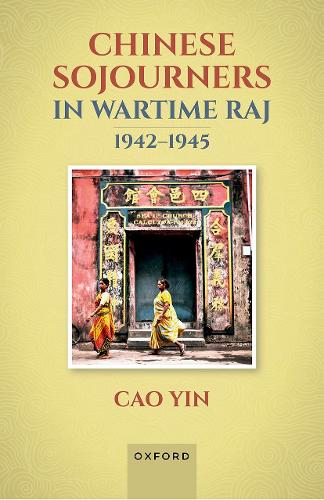
Since the outbreak of the Pacific War, British India had been taken as the main logistic base for China’s war against the Japanese. Chinese soldiers, government officials, professionals, and merchants flocked into India for training, business opportunities, retreat, and rehabilitation. This book is about how the activities of the Chinese sojourners in wartime India caused great concerns to the British colonial regime and the Chinese Nationalist government alike and how these sojourners responded to the surveillance, discipline, and check imposed by the governments. This book provides a subaltern perspective on the history of modern India-China relations that has been dominated by accounts of elite cultural interaction and geopolitical machination.
Seattle people of my acquaintance – you’re getting a superb rare books store in a former Starbucks at the Washington Shoe Building courtesy of Jeffrey Long & Long Bros Fine & Rare Books (who often have amazing China books in stock). This should make you happy as there’s nothing bad about this news!
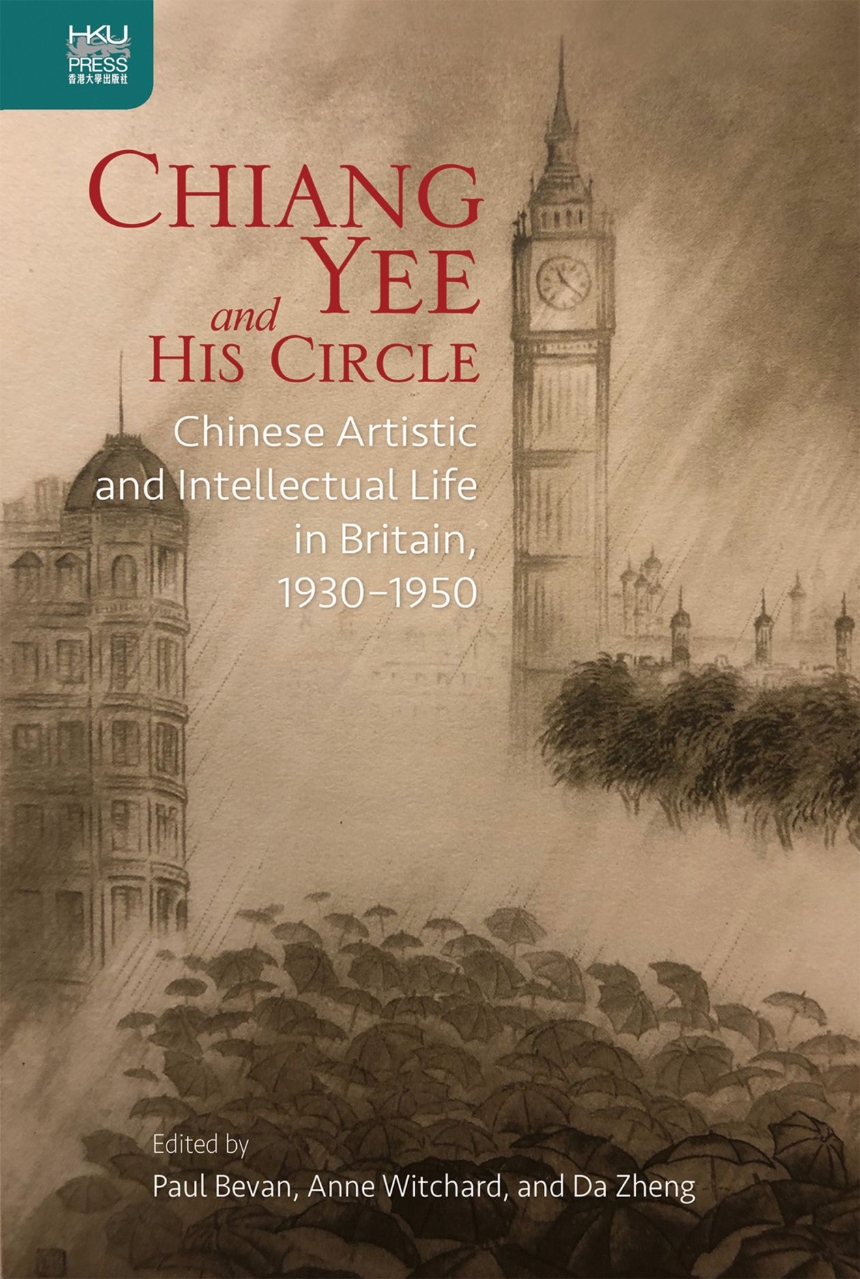
Chiang Yee and His Circle celebrates the life and work of Chiang Yee (1903–1977), a Chinese writer, poet, and painter who made his home in London, England during the 1930s and 1940s. It examines Chiang’s relationship with his circle of friends and colleagues in the English capital and assesses the work he produced during his sojourn there. This edited volume, with contributions from eleven distinguished scholars, tells a story of a Chinese intellectual community in London that up to now has been largely overlooked. It portrays a dynamic picture of the London-based émigré life during the years that led up to the war and during the conflict that was the catalyst for many of them moving on. In addition, the book broadens our understanding of cultural interactions between China and the West in Hampstead, one of the most vibrant artistic communities in London.
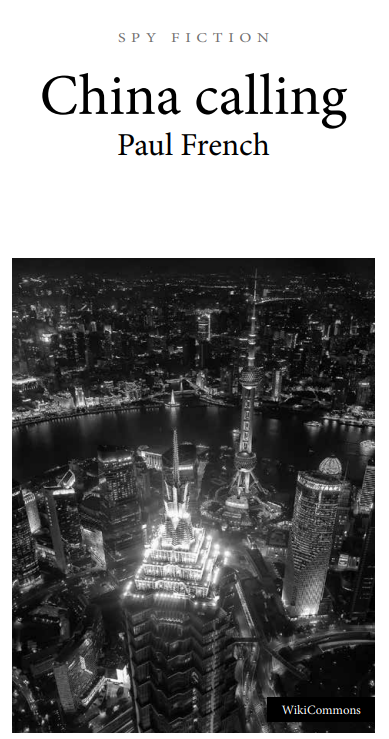
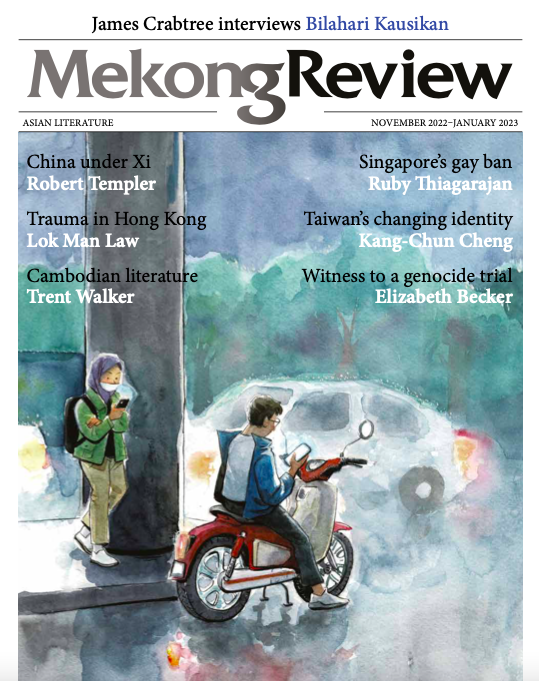
The new edition of the Mekong Review is out – all excellent content as ever – and I have a rather tongue-in-cheek piece on the history of China and the spy novel and the problems implicit in crafting a good espionage tale in the era of Xi Jinping. The Mekong Review is a subscription publiction (in paper and online) and well worth supporting – click here.