G Knight’s 1930 Photographs of Peking
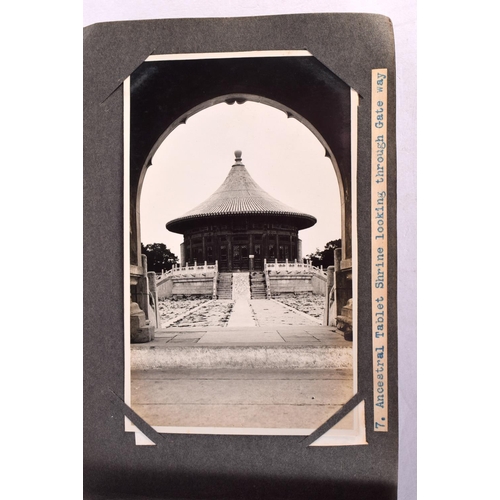
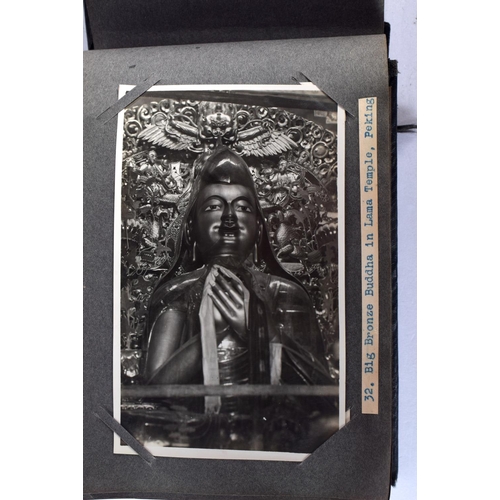
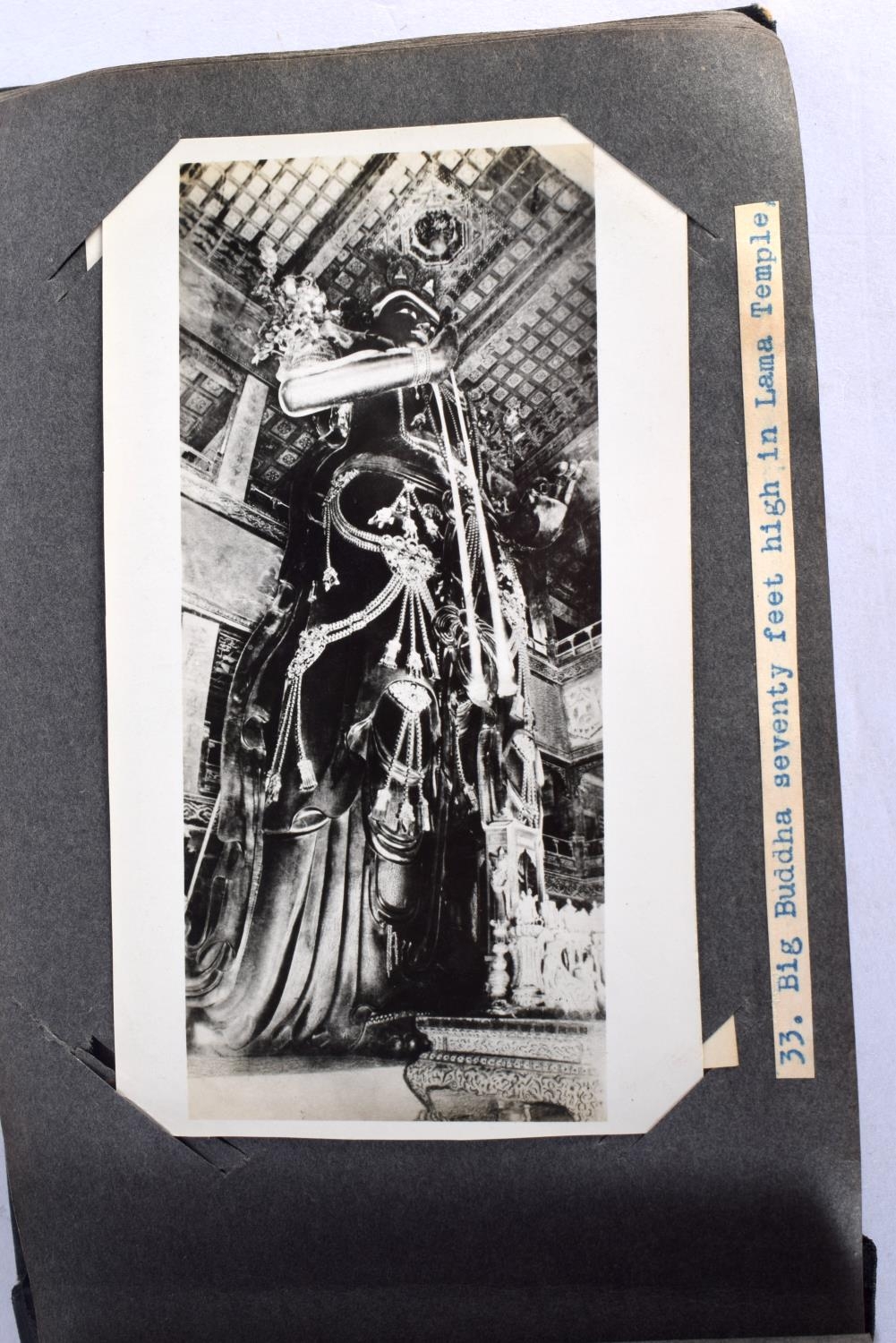
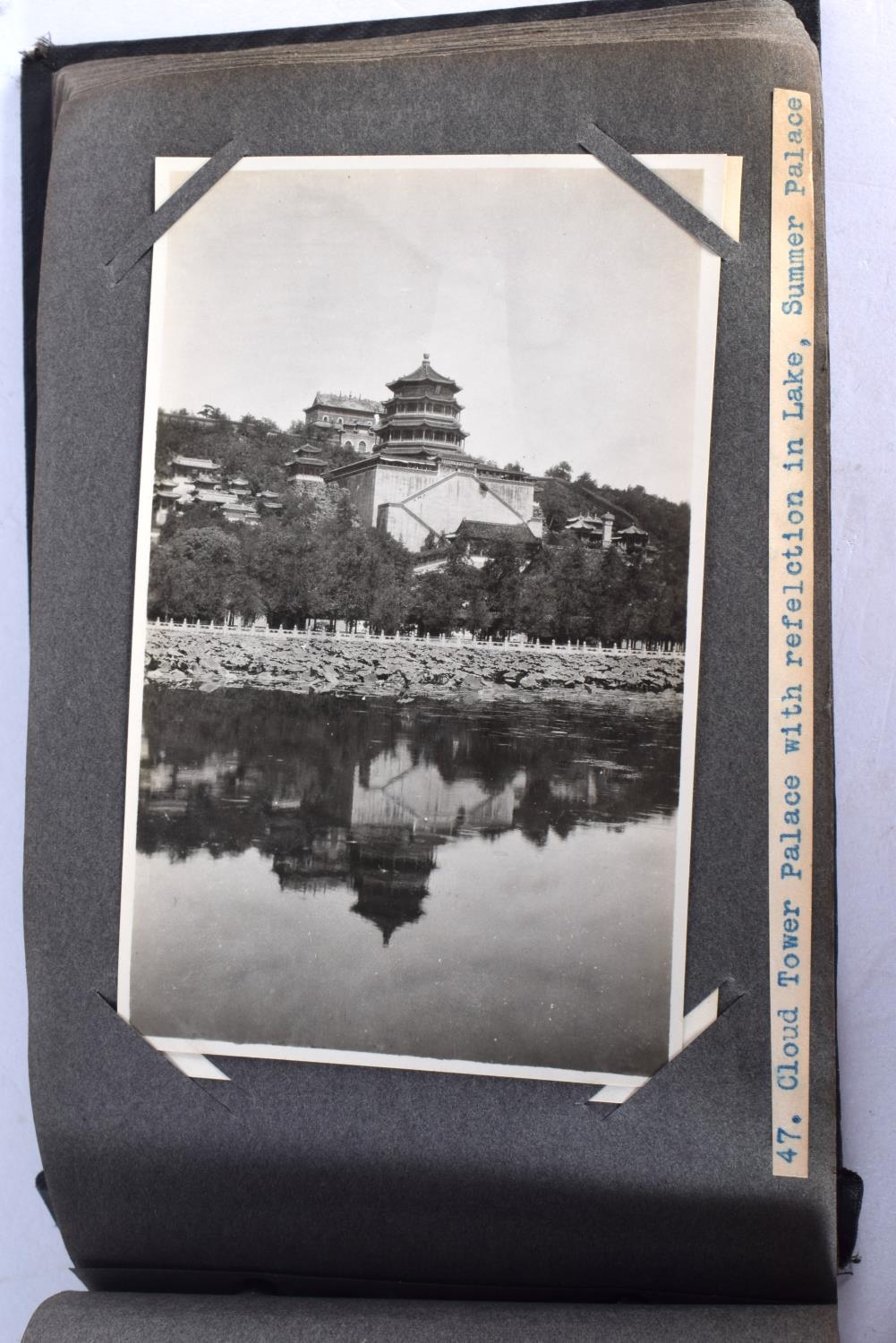
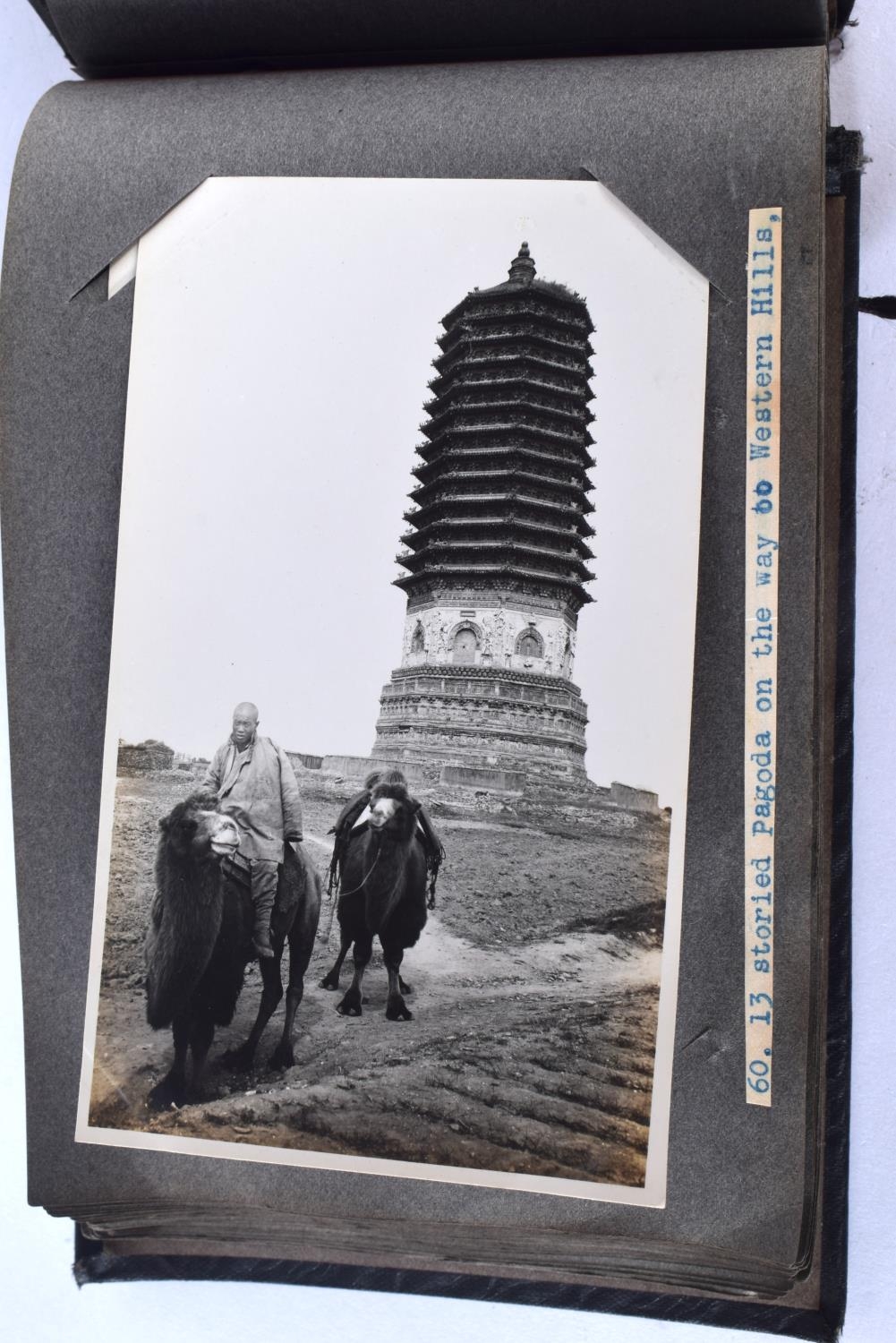
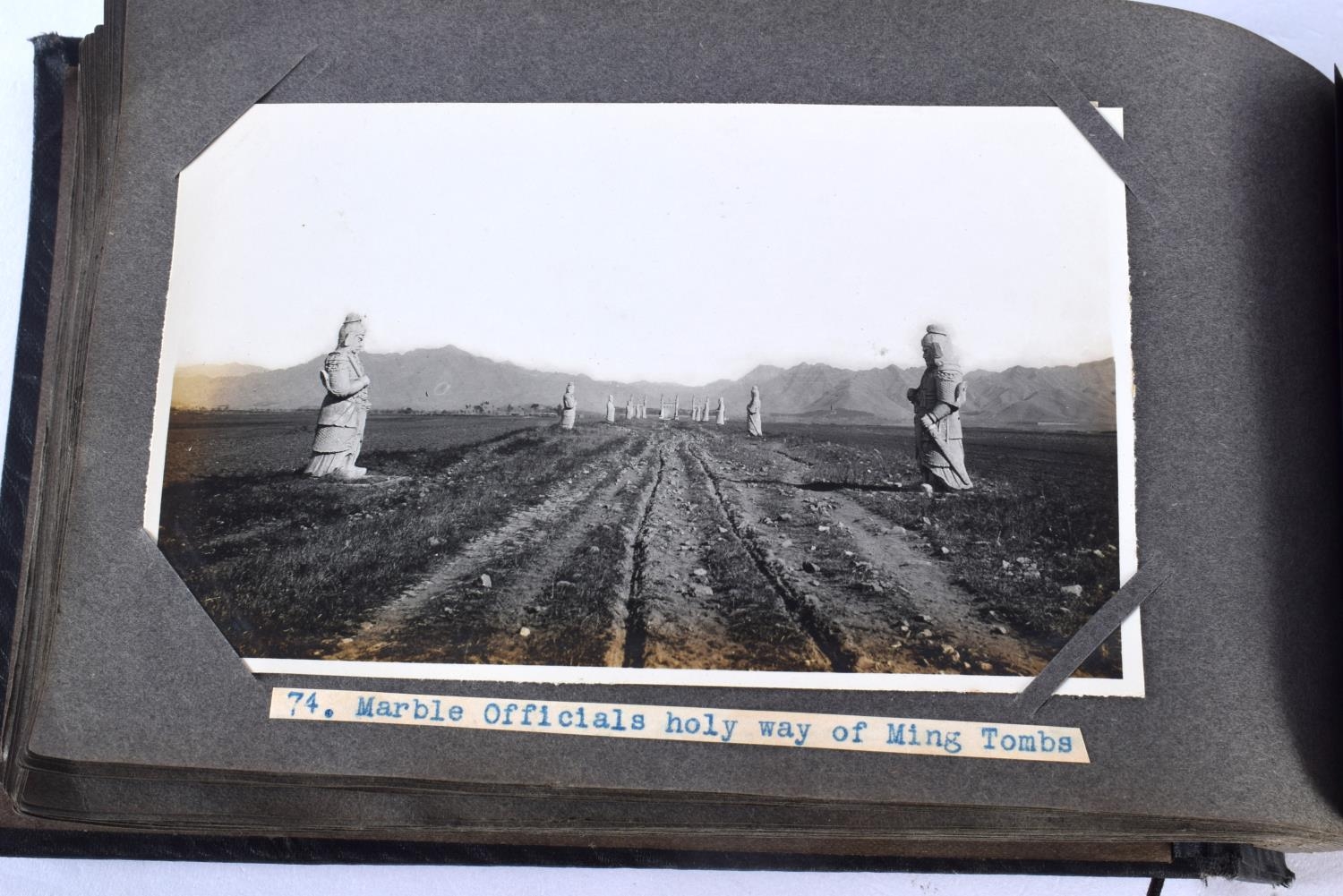
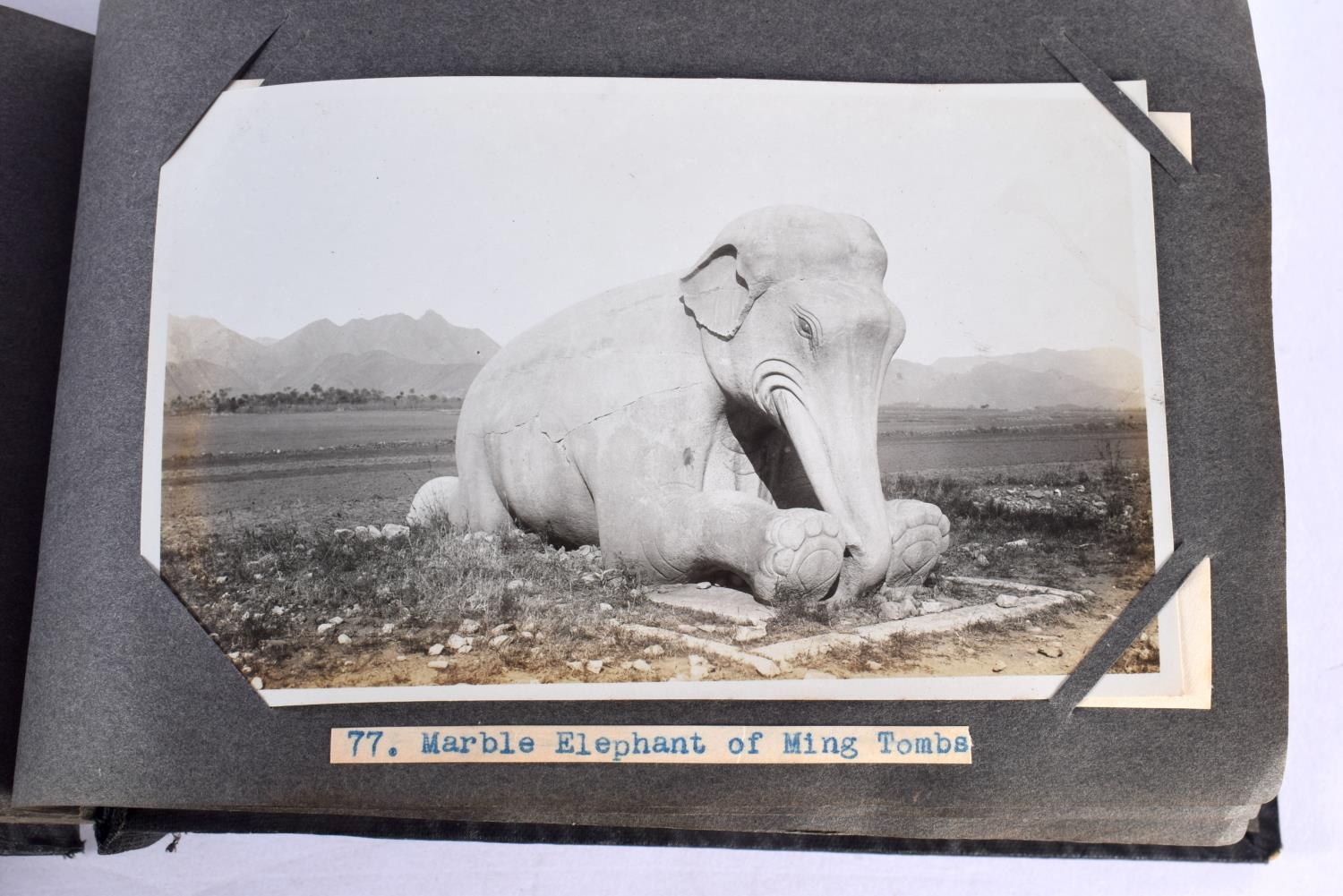
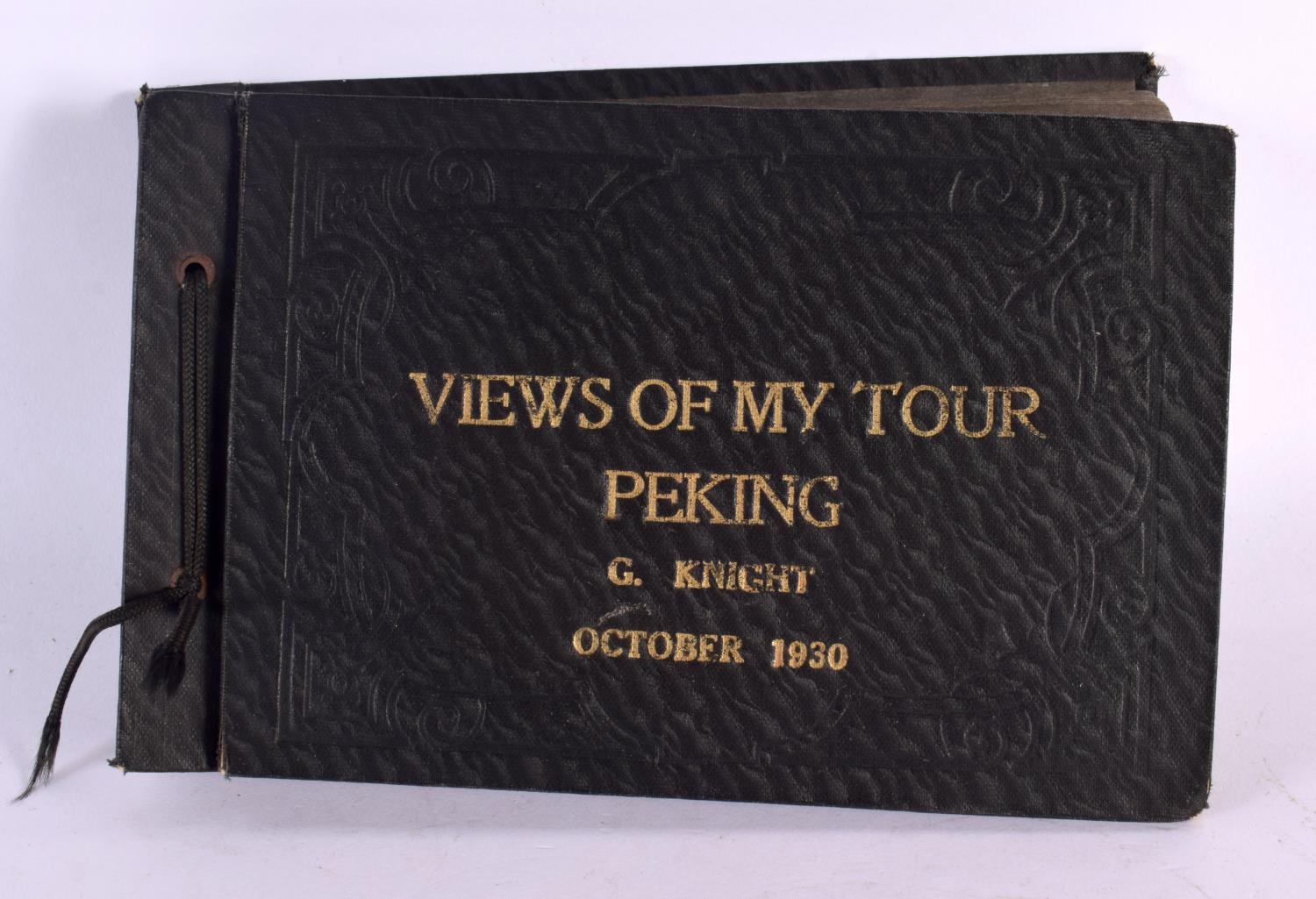
Posted: October 5th, 2022 | No Comments »Mr Knight spent some time in Peking in 1930 and these are some of his photographs with his own identification labels…
All things old China - books, anecdotes, stories, podcasts, factoids & ramblings from the author Paul French
Mr Knight spent some time in Peking in 1930 and these are some of his photographs with his own identification labels…
The St Louis Art Museum’s new exhibition –
Chinese Silk Textiles of the Ming and Qing Dynasties showcases fine examples of Chinese textiles from the Museum’s collection, including clothing, embroideries, hangings, and banners made between 1570 and 1911.

Chinese silk production originated in the Neolithic Yangshao culture during the fourth millennium BCE. However, due to fragility and perishability, the earliest surviving Chinese silk textiles are from the Western Han dynasty (206 BCE–9 CE). Most Chinese silk textiles that remain in good condition are from the Ming dynasty (1368–1644) or the Qing dynasty (1644–1911), and some are well preserved because they had been presented to Tibetan monasteries.
During the Qing dynasty, the minority Manchu ruling class wore silks that were distinct in design and cut from those worn by the majority ethnically Han Chinese population. The finest silk produced at the imperial factories at Nanjing, Suzhou, and Hangzhou were sent to the court in Beijing to be tailored and finished.
Chinese silk textiles were used for many different purposes and settings, but mostly for the luxury and beauty they imparted. These include formal and informal clothing, personal accessories, furnishing fabrics, and decorative pieces for imperial palaces, temples, monasteries, altars, residences, theatrical sets, and military establishments. Chinese silks were dyed to produce all imaginable colors, shades, and hues. Numerous types of weaves were employed, including plain, compound, gauze, and satin. Patterns were created using various techniques such as silk tapestry (kesi), brocading, embroidery, and couching. Motifs on Chinese textiles include mythical creatures like dragons, real animals like birds and bats, floral and plant imagery, geometric forms, Buddhist and Daoist symbols, and various auspicious emblems.
All objects in this exhibition are from the Saint Louis Art Museum’s collection. Numerous generous gifts from local patrons and donors have also greatly augmented the collection over many decades.
Chinese Silk Textiles of the Ming and Qing Dynasties is curated by Philip Hu, curator of Asian art.
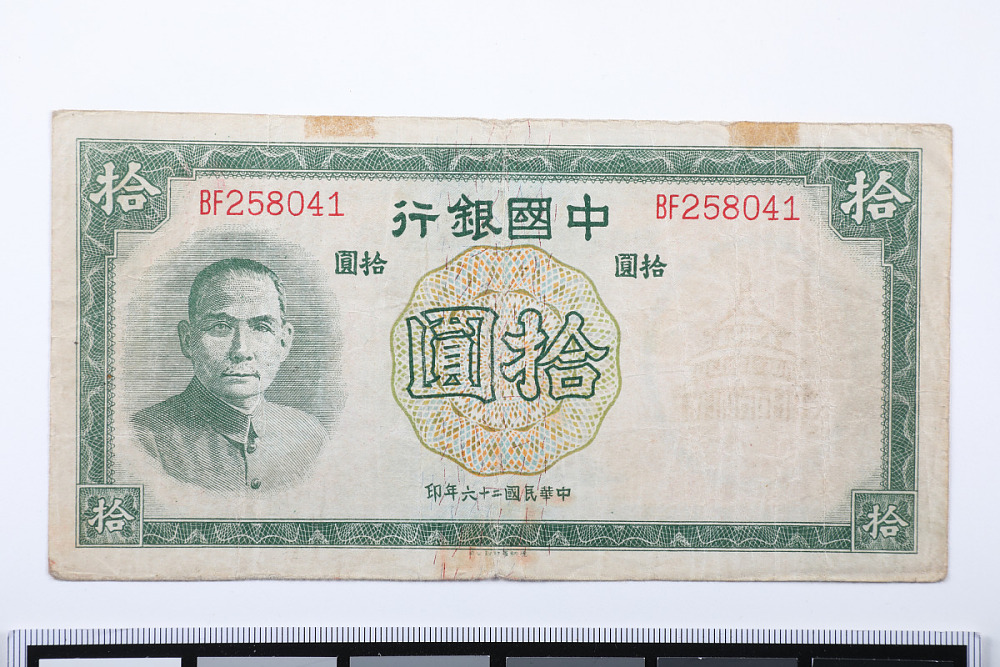
I get asked a lot how to work out exchange rates between the US$, the Nationalist Chinese $ and the widely used (particularly in Shanghai $Mex – the Mexican silver dollar). Below is a handy guide provided to me by Maggie Topkis from some work she did a while back…and my thanks to Maggie for this. I’ll poist it here as an aide-memoir for the next time someone asks this question…
“In the ordinary course of things, prior to WWII, the exchange rate ran roughly one US dollar to two Chinese or Mex dollars. For a few years following WWI, the exchange rate tipped significantly; by 1920 1 US dollar bought about 80 cents Chinese/Mex. This, in theory, was a function of trade imbalances arising from the war (hmmm…..rubber? I have some recollection that China was just exporting rubber like crazy), but the more typical relationship between the two dollars righted itself fairly quickly and (I am guessing here) held steady until perhaps 1937.”
I posted a while back on the preponderance of silversmiths is early twentieth century Shanghai, many of them perhaps having moved north from Guangdong and working mainly for the foreign and tourist market. Click here to see that post.
Anyway, here’s another marque i came across recently in an auction catalogue – ZEEWO (or sometimes ZEE WO) of Shanghai. Below an early twentieth century 4-piece teaset of circular form with applied decoration of fruits, birds, prunes, bamboo plants and flowers in panels around the bodies, naturalistic handles, gilt interiors, each piece stamped with a character mark and “ZEEWO” for Zeewo of Shanghai…
(there are two other posts on Shanghai silversmiths that may interest readers – on Tuck Chang here and on Luen Wo here)


The latest in my occasional series of old Shanghai signage (use the search box if you want to see other examples). This time how the street signs changed along The Bund and between the International Settlement and the French Concession. Obviously The Bund became the Quai de France south of Avenue Edward VII (Yan’an Road) – slightly different signage…


I was looking at the first picture below the other day – Dalian Power Station in, I think, the early 1920s. Quite a major construction. Then the second picture, which is of the famous “Bankers Circle” where 10 roads converge in downtown Dalian (now Zhongshan, eerrr Square – though it’s clearly round) and where the Yamato Hotel still stands (now the Dalian Hotel), once owned by the Southern Manchuria Railway Company and opened in 1914. In the distance you can see the chimney of the power station….which interested me….


This captivating translation assembles two volumes by Lu Xun, the founder of modern Chinese literature and one of East Asia’s most important thinkers at the turn of the twentieth century. Wild Grass and Morning Blossoms Gathered at Dusk represent a pinnacle of achievement alongside Lu Xun’s famed short stories.
In Wild Grass, a collection of twenty-three experimental pieces, surreal scenes come alive through haunting language and vivid imagery. These are landscapes populated by ghosts, talking animals, and sentient plants, where a protagonist might come face-to-face with their own corpse. By depicting the common struggle of real and imagined creatures to survive in an inhospitable world, Lu Xun asks the deceptively simple question, “What does it mean to be human?”
Alongside Wild Grass is Morning Blossoms Gathered at Dusk, a memoir in eight essays capturing the literary master’s formative years and featuring a motley cast of dislocated characters—children, servants, outcasts, the dead and the dying. Giving voice to vulnerable subjects and depicting their hopes and despair as they negotiate an unforgiving existence, Morning Blossoms affirms the value of all beings and elucidates a central predicament of the human condition: feeling without a home in the world.
Beautifully translated and introduced by Eileen J. Cheng, these lyrical texts blur the line between autobiography and literary fiction. Together the two collections provide a new window into Lu Xun’s mind and his quest to find beauty and meaning in a cruel and unjust world.

Peter Thilly’s new history of opium, pubished by Stanford University Press…

From its rise in the 1830s, to its pinnacle in the 1930s, the opium trade was a guiding force in the Chinese political economy. Opium money was inextricably bound up in local, national, and imperial finances, and the people who piloted the trade were integral to the fabric of Chinese society. In this book, Peter Thilly narrates the dangerous lives and shrewd business operations of opium traffickers in southeast China, situating them within a global history of capitalism. By tracing the evolution of the opium trade from clandestine offshore agreements in the 1830s, to multi-million dollar “Prohibition Bureau” contracts in the 1930s, Thilly demonstrates how the modernizing Chinese state was infiltrated, manipulated, and profoundly transformed by opium profiteers.
Opium merchants carried the drug by sea, over mountains, and up rivers, with leading traders establishing monopolies over trade routes and territories, and assembling “opium armies” to protect their businesses. Over time, and as their ranks grew, these organizations became more bureaucratized and militarized, mimicking—and then eventually influencing, infiltrating, or supplanting—the state. Through the chaos of revolution, warlordism, and foreign invasion, opium traders diligently expanded their power through corruption, bribery, and direct collaboration with the state. Drug traders mattered—not only in the seedy ways in which they have been caricatured, but crucially as shadowy architects of statecraft and China’s evolution on the world stage.
About the author
Peter Thilly is Assistant Professor of History at the University of Mississippi.