I wonder if anyone can solve this old Shanghai query? Sadly Chiang Yee doesn’t recall the name of the establishment he dined in. Here’s the background – it’s 1933 and the Jiujiang artist and magistrate (having just resigned and decided to travel to England) Chiang Yee, aka The Silent Traveller, is about to set sail from Shanghai for England (where he will live until 1955). Later in 1940/1941 Chiang will travel from London to Yorkshire to paint, draw, write and produce his book The Silent Traveller in the Yorkshire Dales. ‘Some friends’ (he doesn’t say whether they were Chinese or British) take him for a meal at a Shanghai restaurant that specialises in ‘foreign’ (British?) food – I hesitate to use the word ‘cuisine’ relating to Britih food in 1933. Chiang writes 12 years later recalling this experience:
‘It was the first time i heard the name ‘Yorkshire’…You can perhaps guess that i met the name in connexion (sic) with Yorkshire Pudding on the menu. Yorkshire pudding in Shanghai! It was like having Peking roast duck set before one in a Chinese restuarant in London.’
Of course there were any number of restaurants offering ‘foreign cuisine’ including the famous Astor House Hotel Grill Room, the Horse and Hounds pub in the Cathay Hotel, across the road at the Palace. But any ideas of where Yorkshire pudding was on the menu?
Diaspora transformed the urban terrain of colonial societies, creating polyglot worlds out of neighborhoods, workplaces, recreational clubs and public spheres. It was within these spaces that communities reimagined and reshaped their public identities vis-à -vis emerging government policies and perceptions from other communities. Through a century of Macanese activities in British Hong Kong, this book explores how mixed-race diasporic communities survived within unequal, racialized and biased systems beyond the colonizer-colonized dichotomy. Originating from Portuguese Macau yet living outside the control of the empire, the Macanese freely associated with more than one identity and pledged allegiance to multiple communal, political and civic affiliations. They drew on colorful imaginations of the Portuguese and British empires in responding to a spectrum of changes encompassing Macau’s woes, Hong Kong’s injustice, Portugal’s political transitions, global developments in print culture and the rise of new nationalisms during the inter-war period.
Despite a pandemic, shiping restrictions out of Hong Kong, ships getting stuck in canals and shedding containers, warehouses pinged, the power of online retailers, e-books and a hundred and one other minor issues copies of Destination Peking intended for independent bookstores across North America finally arrived and are at all the stores below and a good few more…most have both Destination Shanghai and Destination Peking (courtesy of the indefatigable Blacksmith Books of Hong Kong)…
Do you need another excuse to go visit, surf to or call up your local indie bookstore?
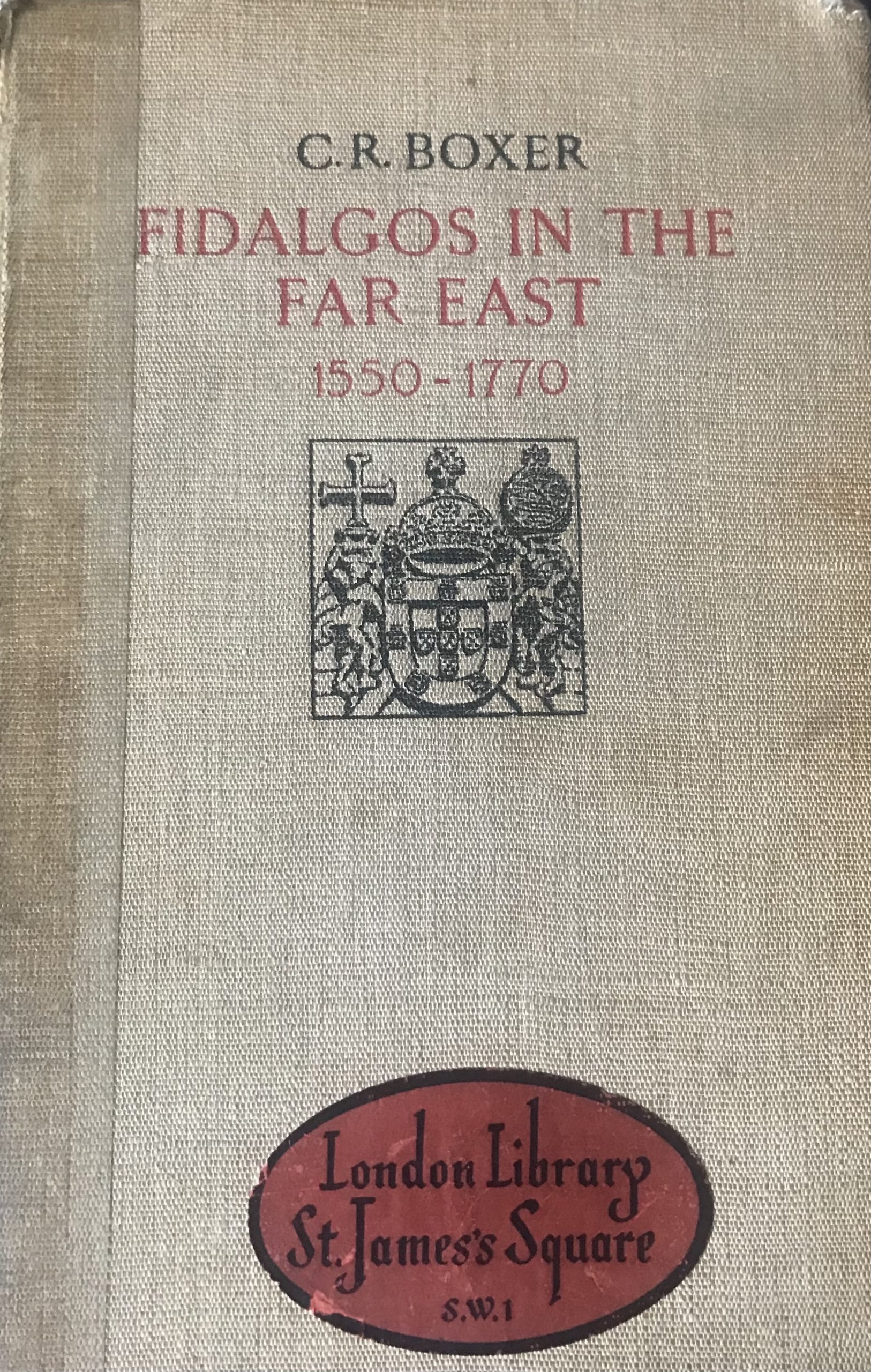
British expert on the Portuguese and Dutch maritime empires Charles Boxer (who also did a spying in Hong Kong and eventually married New Yorker correspondent Emily Hahn) published Fidalgos in the Far East, 1550-1770 in 1948. In the introduction Boxer is most helpful regarding his title: ‘Readers unfamiliar with Portuguese may care to be reminded that “Fidalgo” is derived from the term “filho d’algo” [or] “son of a Somebody”, originally applied to the so-called gentlemen of blood and coat-armour, but here used in the sense of men who were personalities in their own right, however doubtful or obscure their origin may have been’.
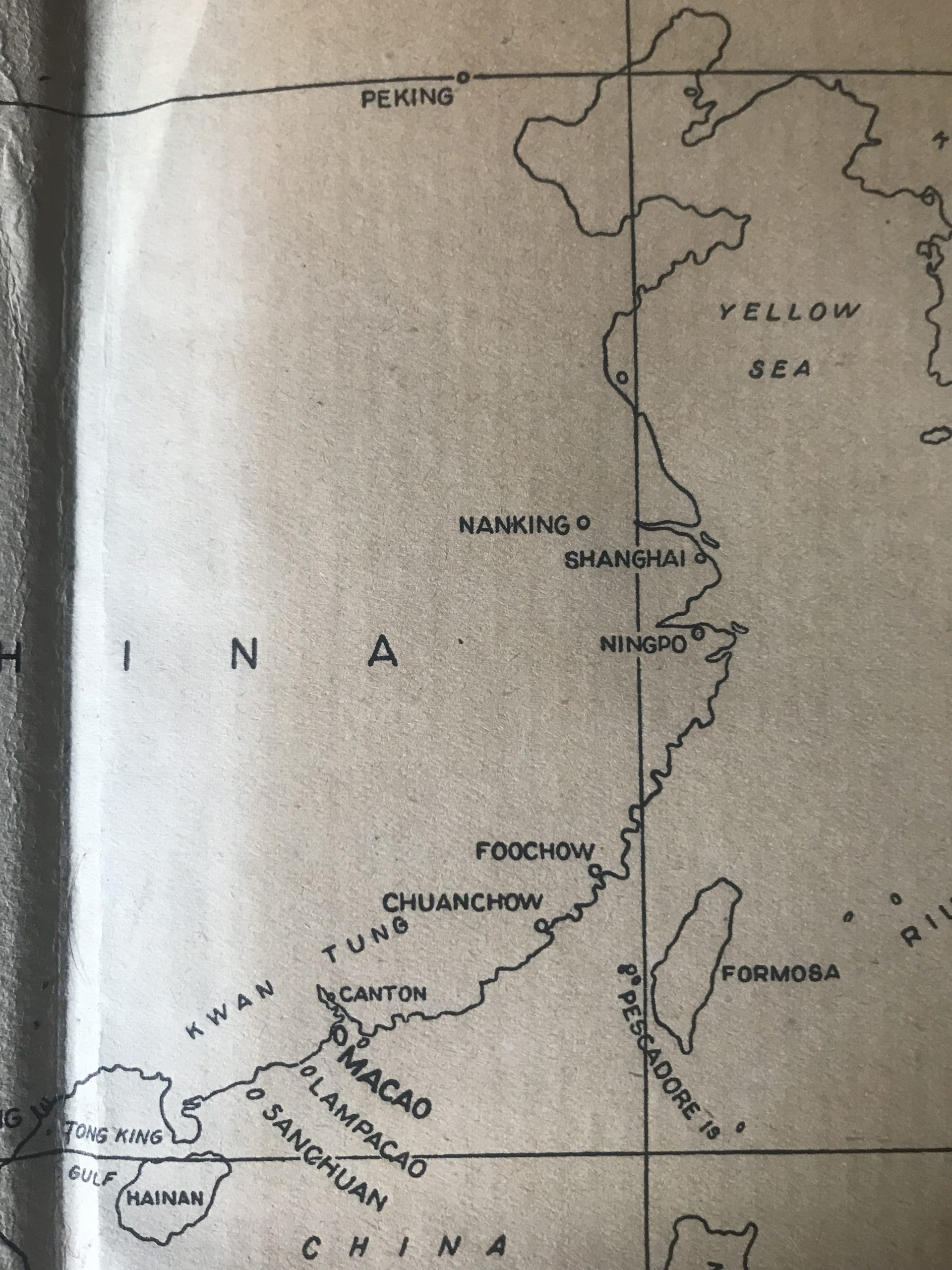
Interesting too is his map of China which uses Wade-Giles names such as Nanking, Chuanchow, Foochow etc and naturally, given Boxer’s academic interests, highlights Macao, but also includes tghe much lesser known Lampacao, which was a small island in the Pearl River Delta but is no longer separate. Both the island’s name and exact location are the source of some dispute (click here ). Boxer also notes Sanchuan (Sangchuan or Three Rivers), another island close by Lampacao. Both islands were places that Portuguese and Chinese traders and merchants met to do business in the late 1500s.
I went to see Tom Stoppard’s new play Leopoldstadt at the Wydham’s Theatre the other night. A long time Stoppard fan but his latest production has a special reference. It is the story of a Viennese Jewish family’s descent from turn of the century hope in the capital of the Austro-Hungarian Empire to the collapse of the AAH in the wake of World War One to the rising antisemitism of the inter-war period, Anschluss and the holocaust. A family that has been successful and risen to a level of financial and (seemingly) social security in one of the most cultured cities of the world is destroyed by antisemitism and war and ends up in Vienna’s 2nd District, Leopoldtadt, the Jewish ghetto.
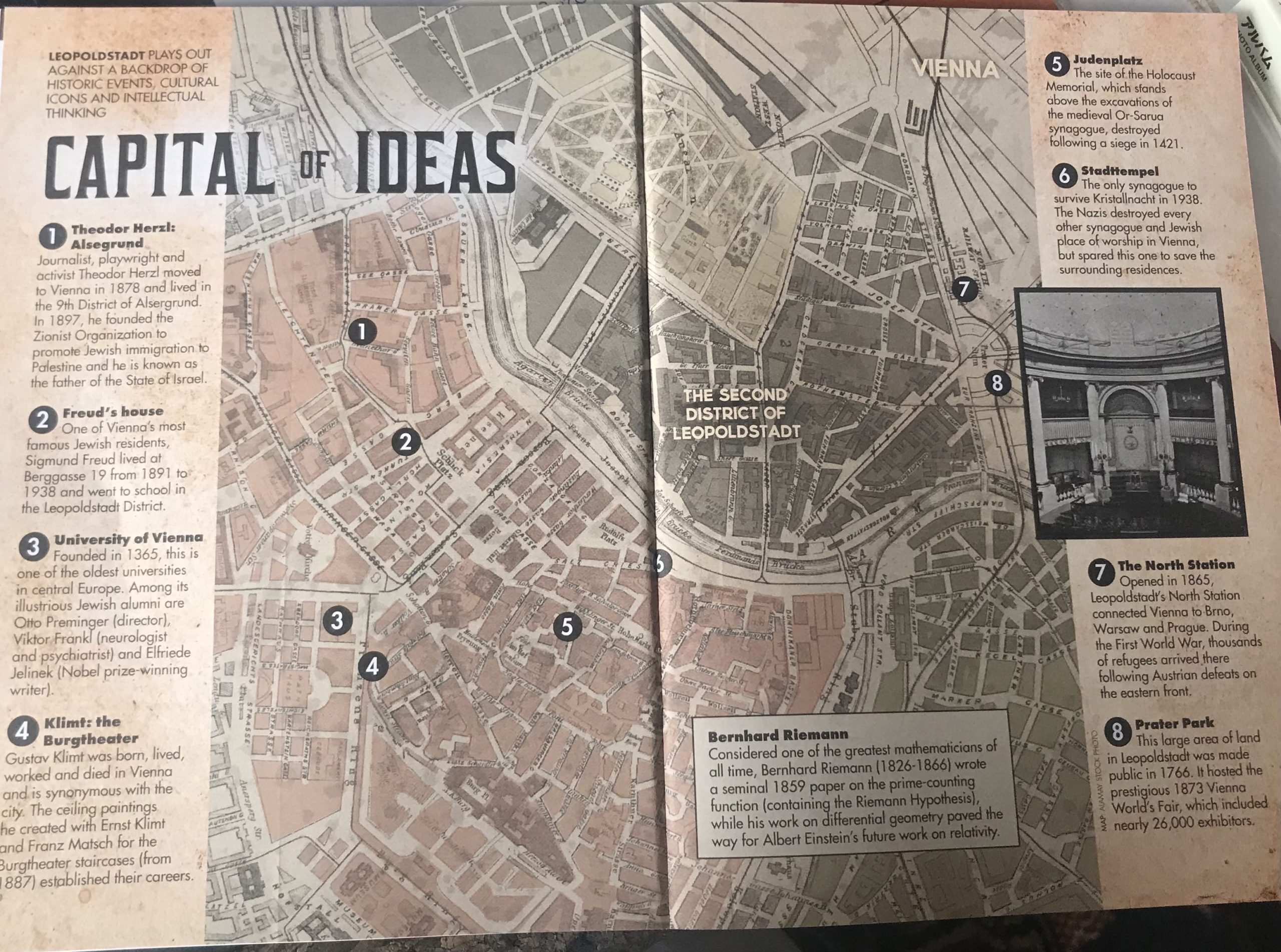
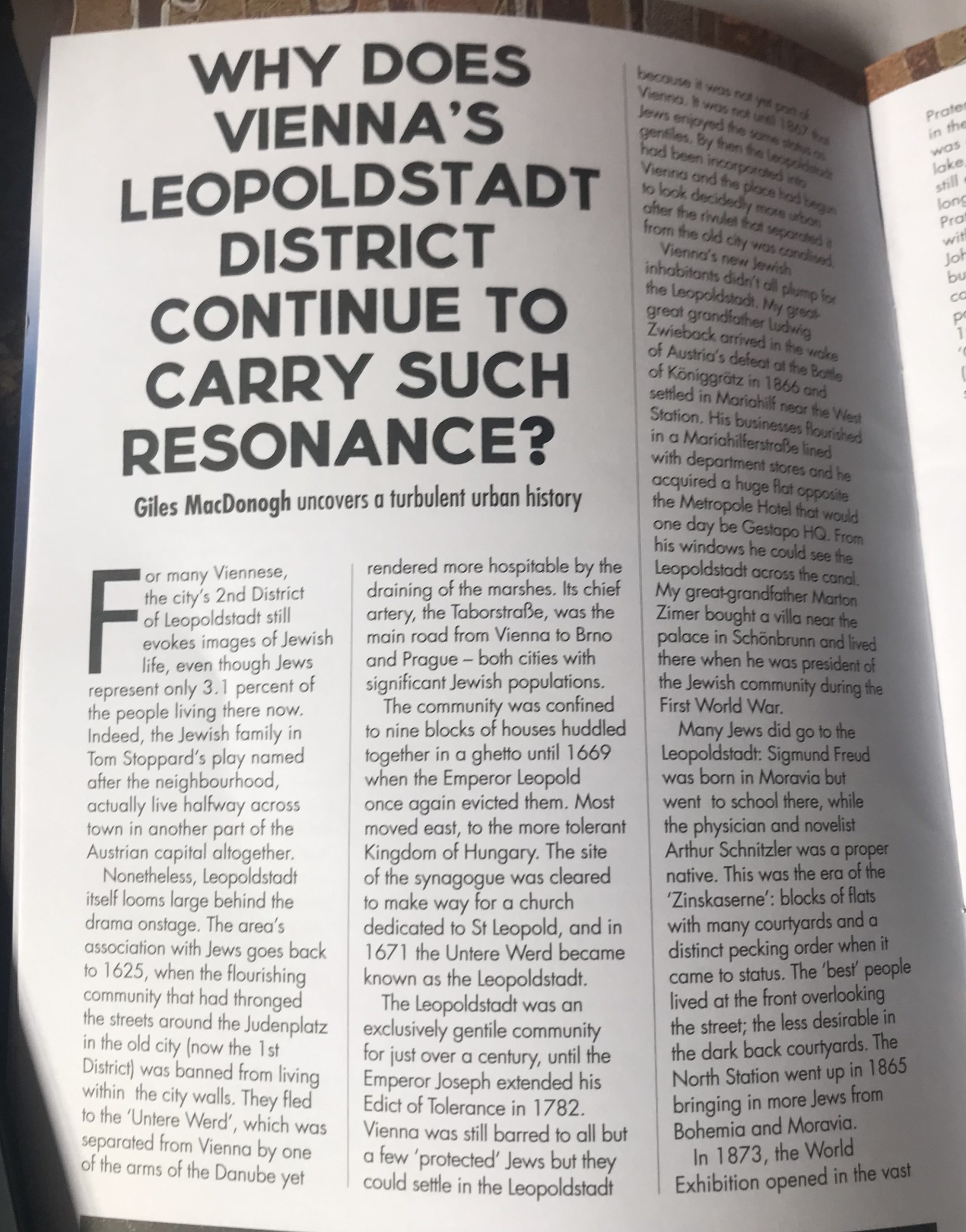
Those who know my book City of Devils will know that this is very much the Vienna Joe Farren (born Josef Pollak in 1893 in Vienna) once inhabited before he left for Shanghai. I would urge anyone going to see Leopoldstadt – and it is an intense couple of hours of theatre and arguably one of Stoppard’s most sombre work to date – to buy the programme which includes the story of Stoppard’s own journey to England from Czechoslovakia, an essay on the history of Leopoldstadt by Giles MacDonogh and a fascinating map of pre-war Vienna.
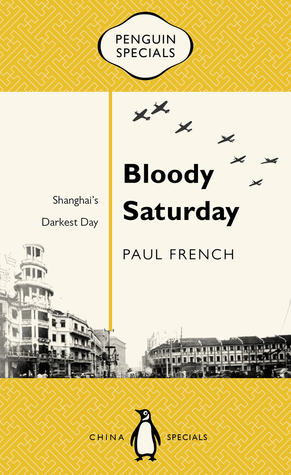
The anniversary of Bloody Saturday, August 14th 1937, when bombs rained down on the Shanghai International Settlement and French Concession, the single largest aerial bombardment of a civilian city to date at the time. As it happens the anniversary falls on a Saturday this year. For the 80th anniversary in 2017 I published a Penguin China Special on Bloody Saturday, recreating the day from multiple perspectives built up from memoirs of that awful day. and here is a link to a Q&A i did with That’s Shanghai on the book and the events.