Macao Map, 1750
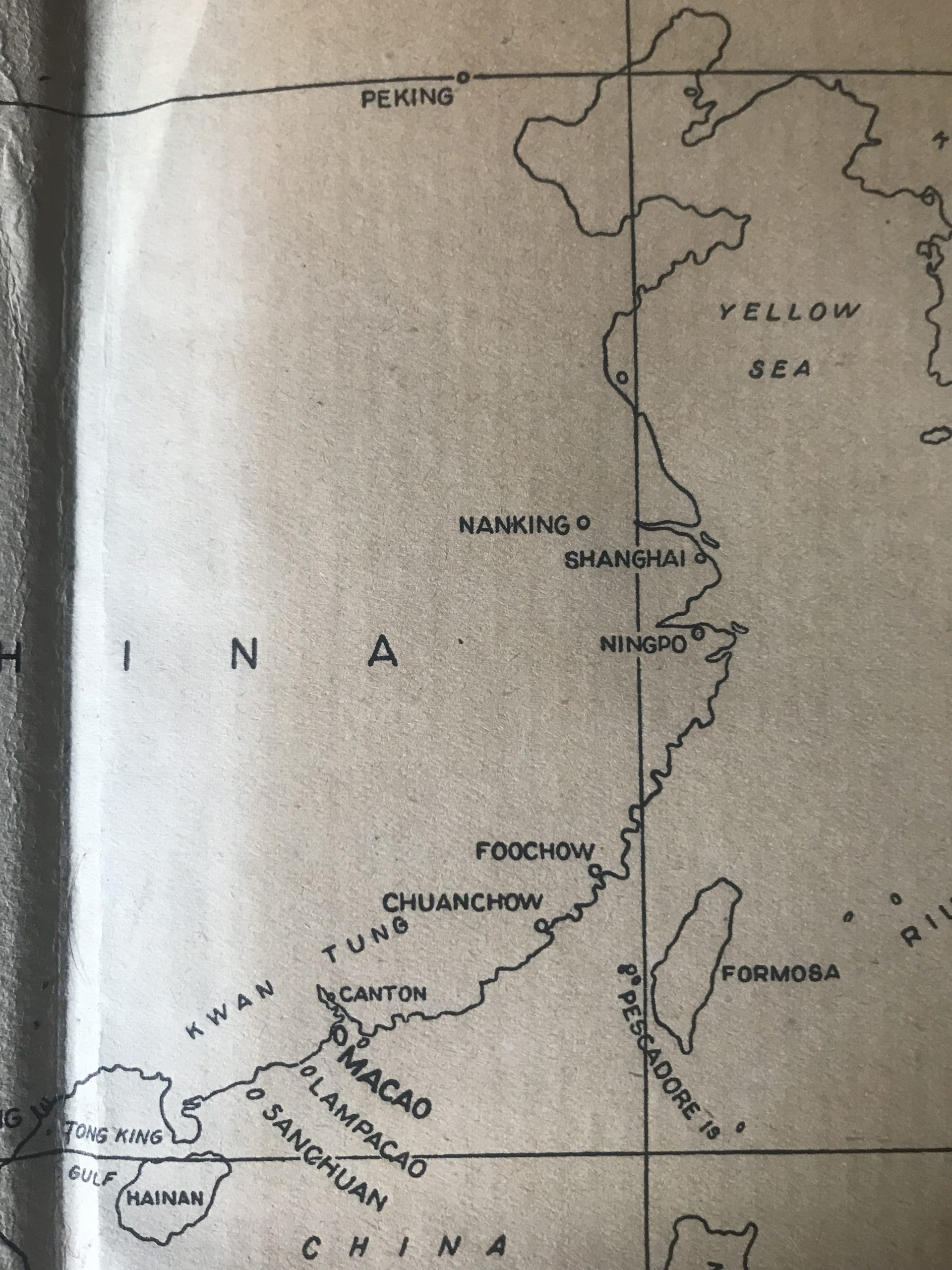
Posted: August 19th, 2021 | No Comments »Talking yesterday of Charles Boxer’s Fidalgos in the Far East, 1550-1770 (1948) the book contains an interesting map of Macao circsa 1750….

All things old China - books, anecdotes, stories, podcasts, factoids & ramblings from the author Paul French
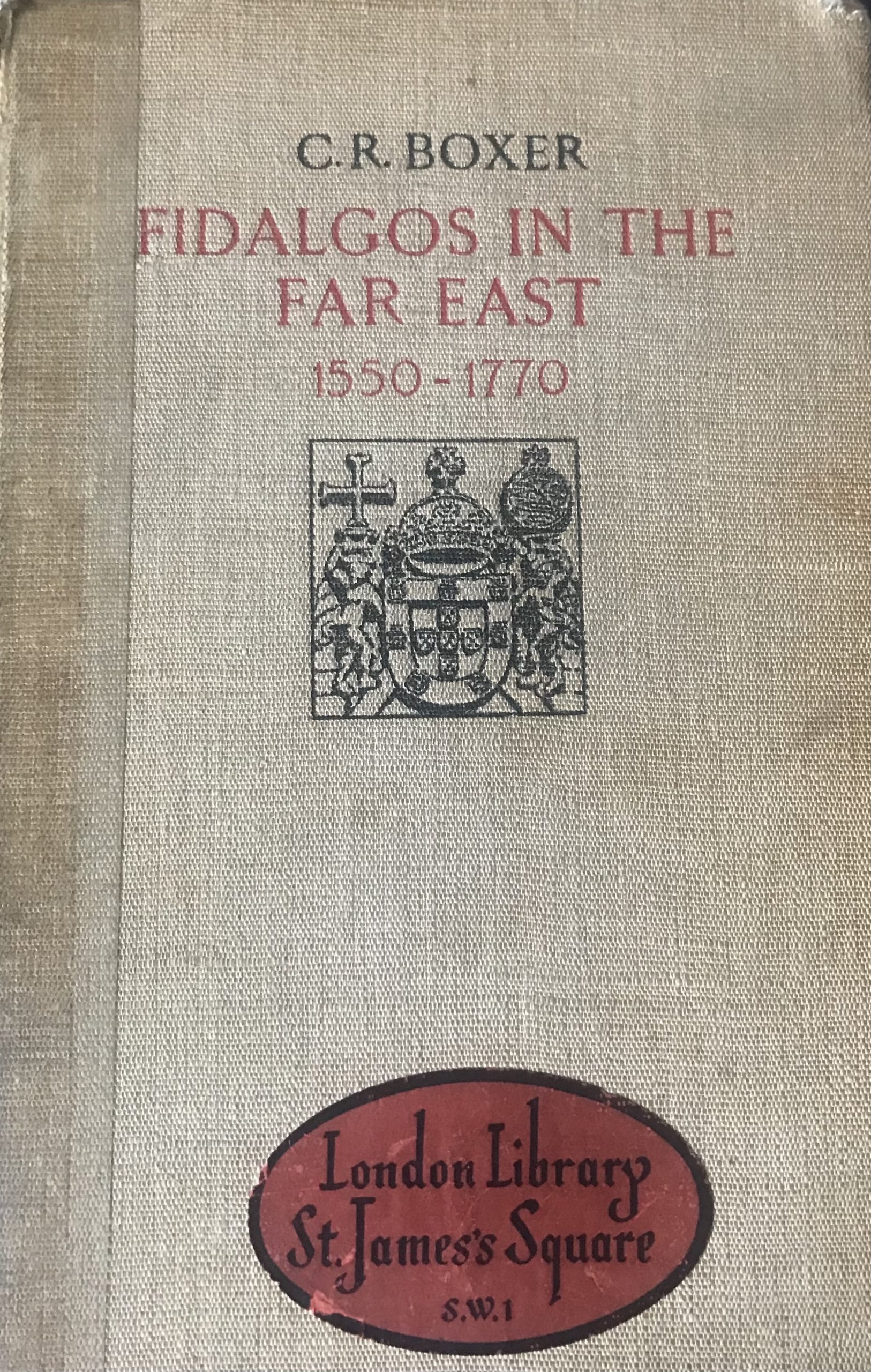
Talking yesterday of Charles Boxer’s Fidalgos in the Far East, 1550-1770 (1948) the book contains an interesting map of Macao circsa 1750….
British expert on the Portuguese and Dutch maritime empires Charles Boxer (who also did a spying in Hong Kong and eventually married New Yorker correspondent Emily Hahn) published Fidalgos in the Far East, 1550-1770 in 1948. In the introduction Boxer is most helpful regarding his title: ‘Readers unfamiliar with Portuguese may care to be reminded that “Fidalgo” is derived from the term “filho d’algo” [or] “son of a Somebody”, originally applied to the so-called gentlemen of blood and coat-armour, but here used in the sense of men who were personalities in their own right, however doubtful or obscure their origin may have been’.
Interesting too is his map of China which uses Wade-Giles names such as Nanking, Chuanchow, Foochow etc and naturally, given Boxer’s academic interests, highlights Macao, but also includes tghe much lesser known Lampacao, which was a small island in the Pearl River Delta but is no longer separate. Both the island’s name and exact location are the source of some dispute (click here ). Boxer also notes Sanchuan (Sangchuan or Three Rivers), another island close by Lampacao. Both islands were places that Portuguese and Chinese traders and merchants met to do business in the late 1500s.
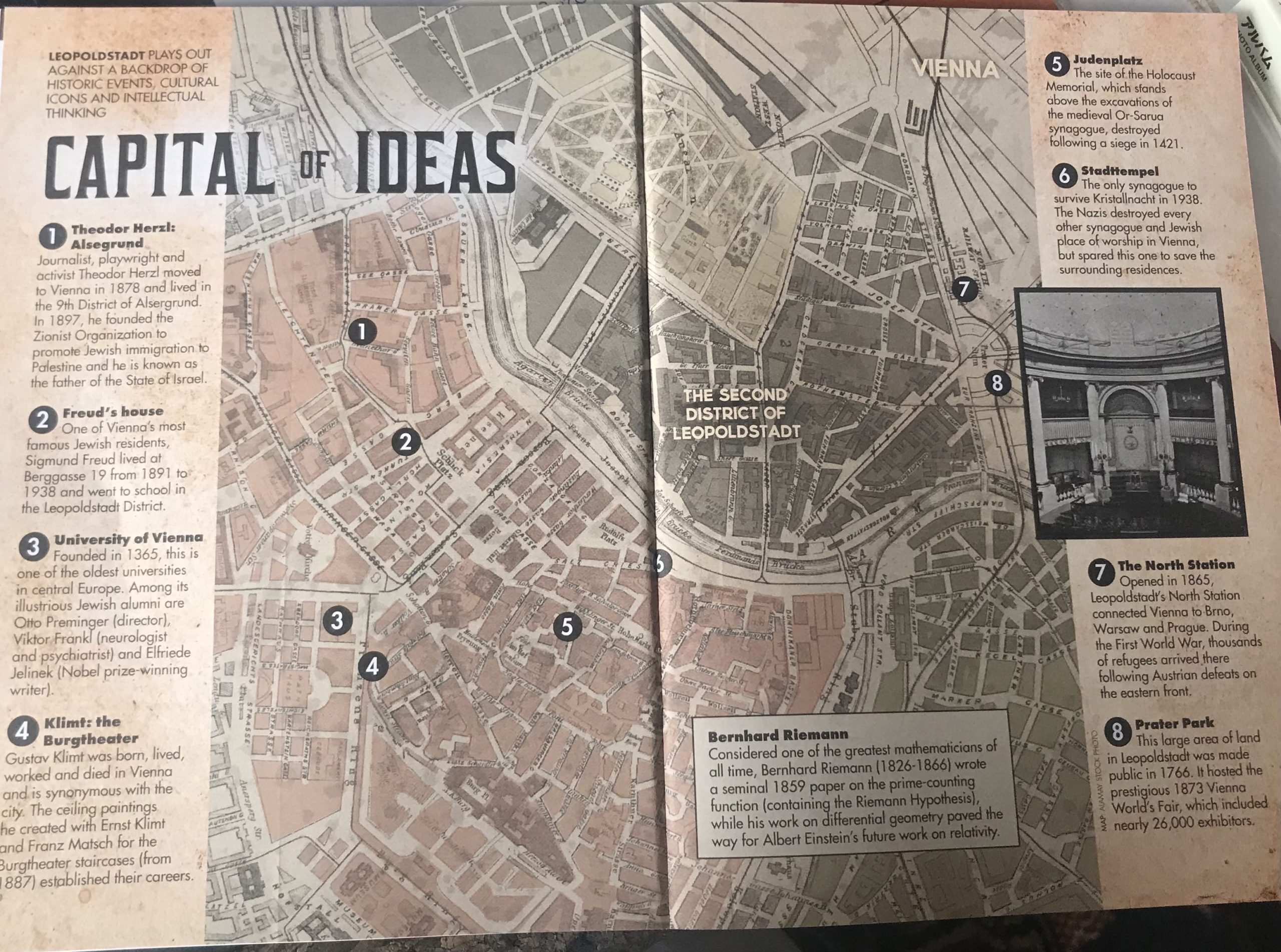
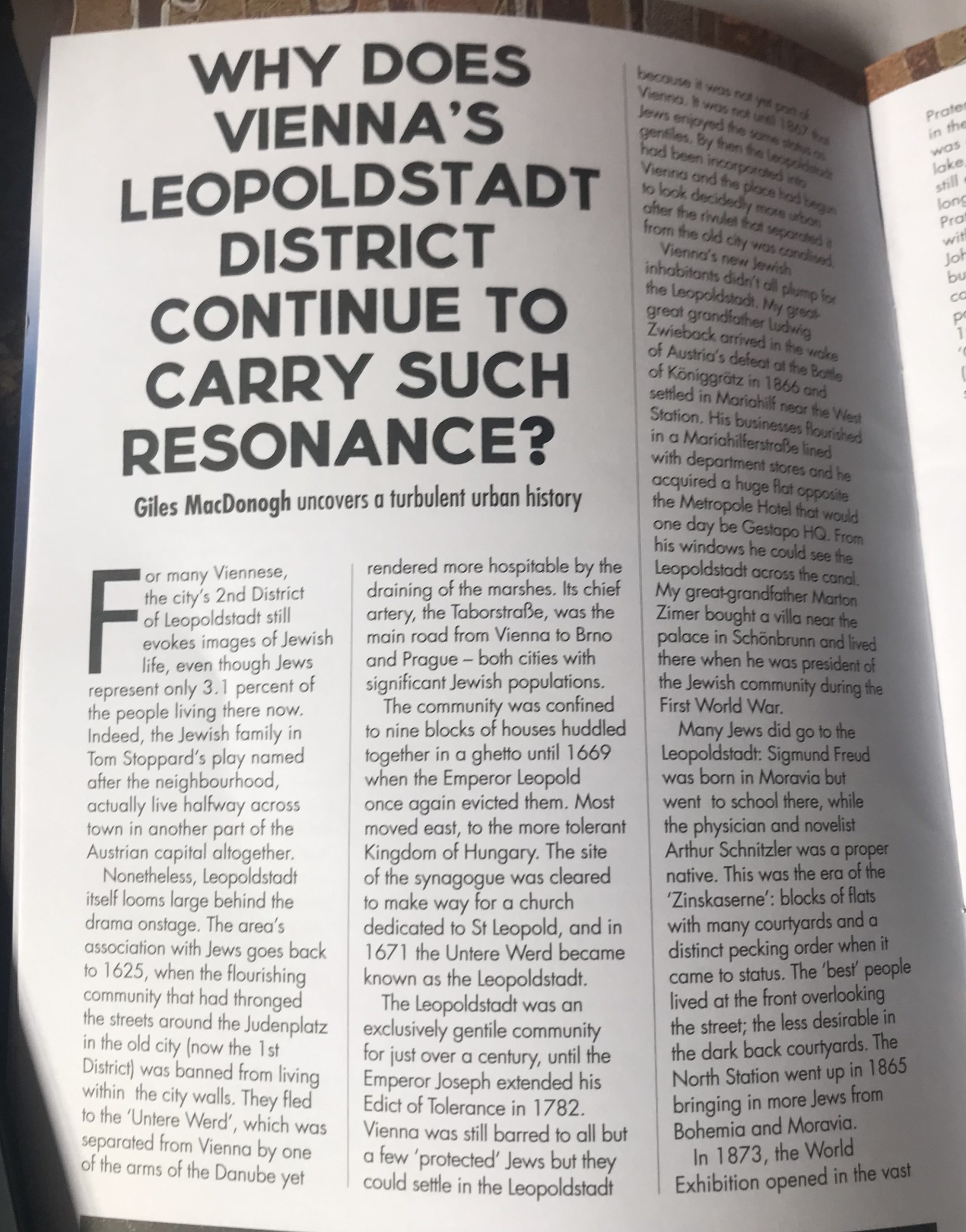
I went to see Tom Stoppard’s new play Leopoldstadt at the Wydham’s Theatre the other night. A long time Stoppard fan but his latest production has a special reference. It is the story of a Viennese Jewish family’s descent from turn of the century hope in the capital of the Austro-Hungarian Empire to the collapse of the AAH in the wake of World War One to the rising antisemitism of the inter-war period, Anschluss and the holocaust. A family that has been successful and risen to a level of financial and (seemingly) social security in one of the most cultured cities of the world is destroyed by antisemitism and war and ends up in Vienna’s 2nd District, Leopoldtadt, the Jewish ghetto.
Those who know my book City of Devils will know that this is very much the Vienna Joe Farren (born Josef Pollak in 1893 in Vienna) once inhabited before he left for Shanghai. I would urge anyone going to see Leopoldstadt – and it is an intense couple of hours of theatre and arguably one of Stoppard’s most sombre work to date – to buy the programme which includes the story of Stoppard’s own journey to England from Czechoslovakia, an essay on the history of Leopoldstadt by Giles MacDonogh and a fascinating map of pre-war Vienna.

Another in my infrequent posts on the street signage of old Shanghai – click here for the old Shanghai Fire Brigade, the SMC Public Works Department, old telegraph poles and an SMP No Waiting sign – scintillating stuff!
Here a street sign for The Bund photographed in c.1947…

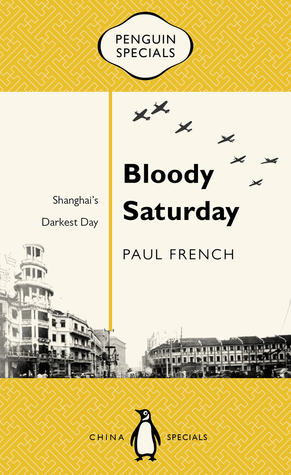
The anniversary of Bloody Saturday, August 14th 1937, when bombs rained down on the Shanghai International Settlement and French Concession, the single largest aerial bombardment of a civilian city to date at the time. As it happens the anniversary falls on a Saturday this year. For the 80th anniversary in 2017 I published a Penguin China Special on Bloody Saturday, recreating the day from multiple perspectives built up from memoirs of that awful day. and here is a link to a Q&A i did with That’s Shanghai on the book and the events.
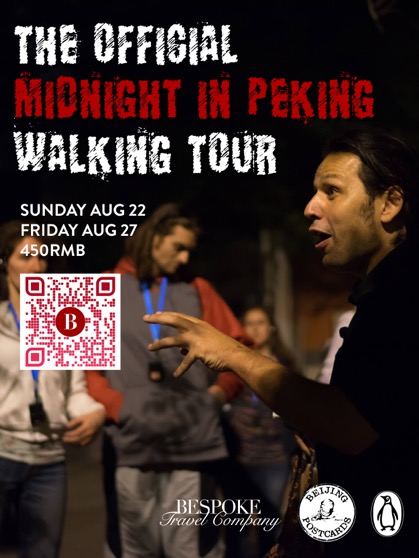
The official Penguin China/Bespoke Beijing Midnight in Peking walking tour is back for two new tours this August…
WHAT: “Imperialism & Internationalism: Xiamen, Treaty Port Case Study”, an RASBJ online talk by James Halcrow followed by QA
WHEN: Sept. 1, 2021, Wednesday19:00-20:00 PM Beijing Standard Time
WHERE AND HOW TO JOIN: This event is free and exclusively for members of RASBJ. If you know someone who wants to join the RASBJ in order to attend this talk, please ask them to sign up via our website at https://rasbj.org/membership/ at least 48 hours before the event.

MORE ABOUT THE EVENT: Amoy (Xiamen 厦门) was one of the five original ports opened to Western habitation and trade in late imperial China during the 1840s. It hosted a British Concession from 1844 to 1930 and an International Settlement on nearby Kulangsu Island (Gulangyu鼓浪屿) from 1903 to 1943. The treaty port functioned as a key site of international competition across the treaty port century from 1843 to 1943. James Halcrow examines the historical development of the treaty port during the nineteenth century, using Amoy as a case study, as it had a long history of prior engagement and communication with Western and non-Western traders, missionaries, and merchants before the commencement of the First Opium War (1839-1842).
MORE ABOUT THE SPEAKER: James Halcrow is a doctoral candidate at the University of Auckland (New Zealand). After spending some time living in Shanghai to study Mandarin, he returned to New Zealand in 2014 to complete a Master thesis on the Opium Wars and began his doctoral research in 2020. The focus of his research is Gulangyu island, known for its pre-Liberation architecture and listed as a UNESCO World Heritage site in 2017.
The Hong Kong Free Post reports the loss of one of the last of the iconic Hong Kong corner buildings, Eiver House, r as part of the redevelopment of To Kwa Wan. Terribly sad.
I won’t steal any of the excellent pictures, but rather point you to their article here… and point you towards Michael Wolf’s excellent book of photographs of corner houses in Hong Kong (here).
