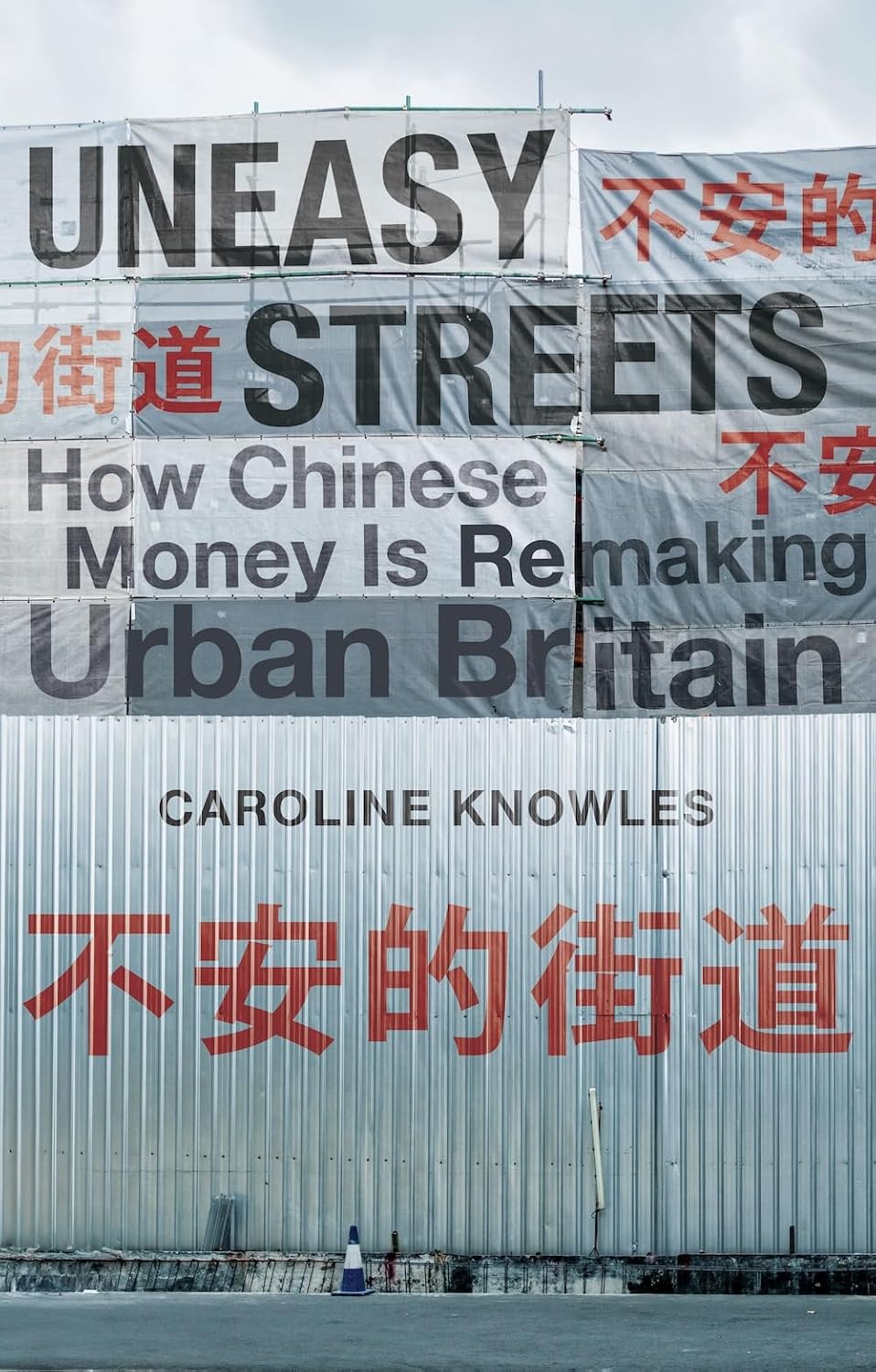
I noticed this book up at the Edinburgh International book Festival – Caroline Knowles’ Uneasy Streets: How Chinese Money Is Remaking Urban Britain(C Hurst) – I’m afraid I missed the author’s presentation, haven’t read it yet and haven’t seen any reviews, but thought it might interest some on here….
At the high tide of UK–China relations, Chinese investors pumped billions into British property and projects each year, promising urban renewal and economic prosperity. But as political tides turned in both countries, the money dried up. A decade on, we live in the ruins of this ‘golden era’.
Caroline Knowles explores China’s global influence from the bottom up. Focusing on London and Manchester, she contrasts Beijing’s grand claims with the ramshackle physical evidence she finds at street level: a series of half-finished buildings and abandoned holes in the ground. And this isn’t just a British phenomenon. All along the continent-spanning Belt and Road network, Chinese-funded cities are patchworks of incompleteness, the products of relentlessly profit-driven urbanism that puts people last.
China’s soft-power city-making falls far short of the dreams displayed in glossy brochures. Combining urban observation with sharp commentary, interviewing property developers, Chinese migrants and other city-dwellers, Knowles paints an intimate, nuanced portrait. This is the material and human fabric of Chinese Britain.
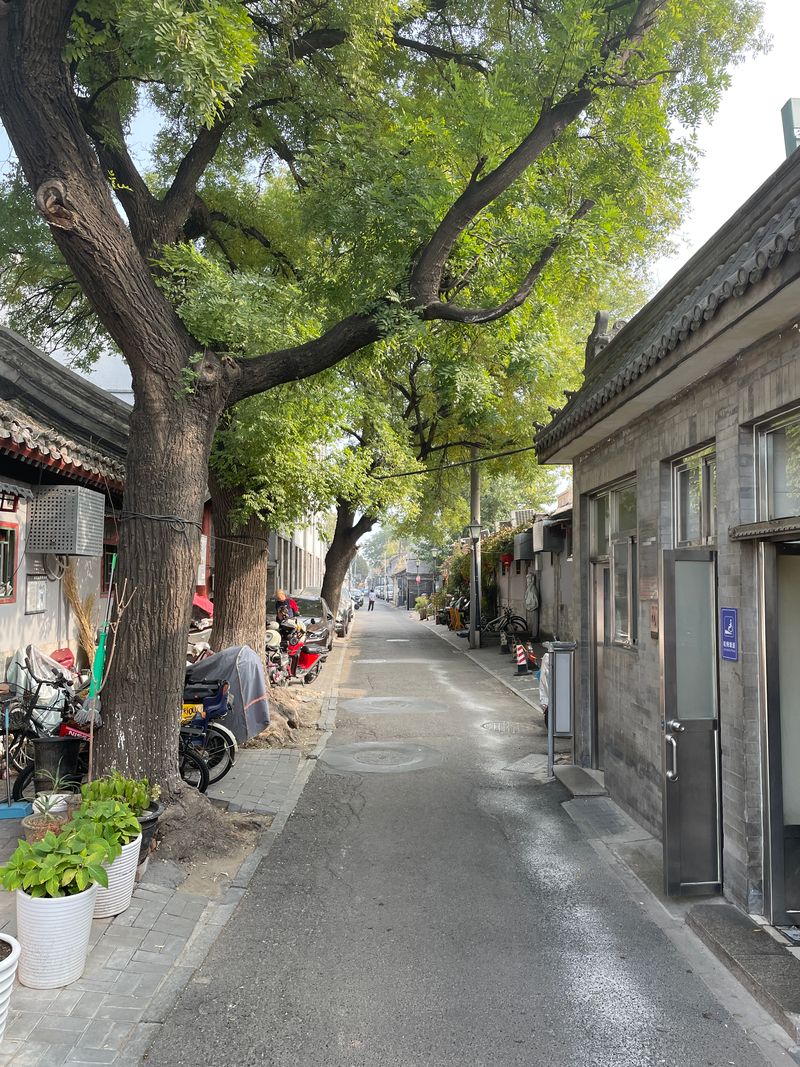
A piece for That’s magsin China – 4 Last Emperor of China Locations to Visit in Beijing (that aren’t the Forbidden City, which is a bit obvious….) – Zhangwang Hutong; Mao’er Hutong; Dengshikou and; Prince Chun’s Mansion….Click here to read…
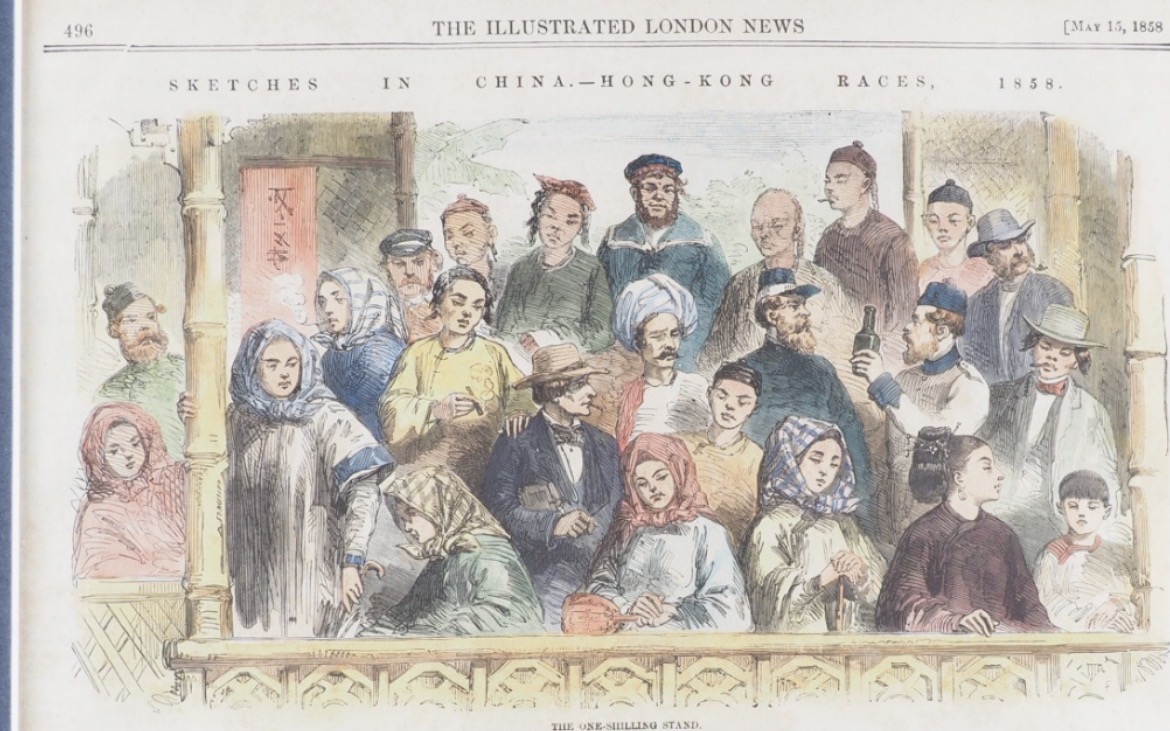
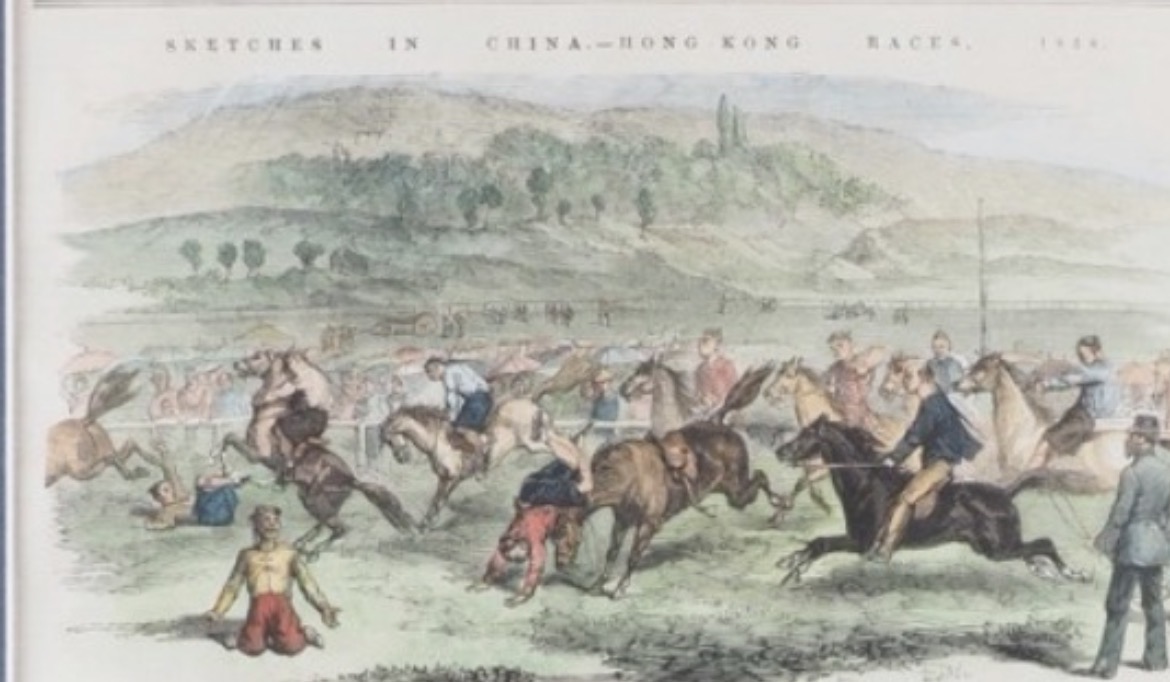
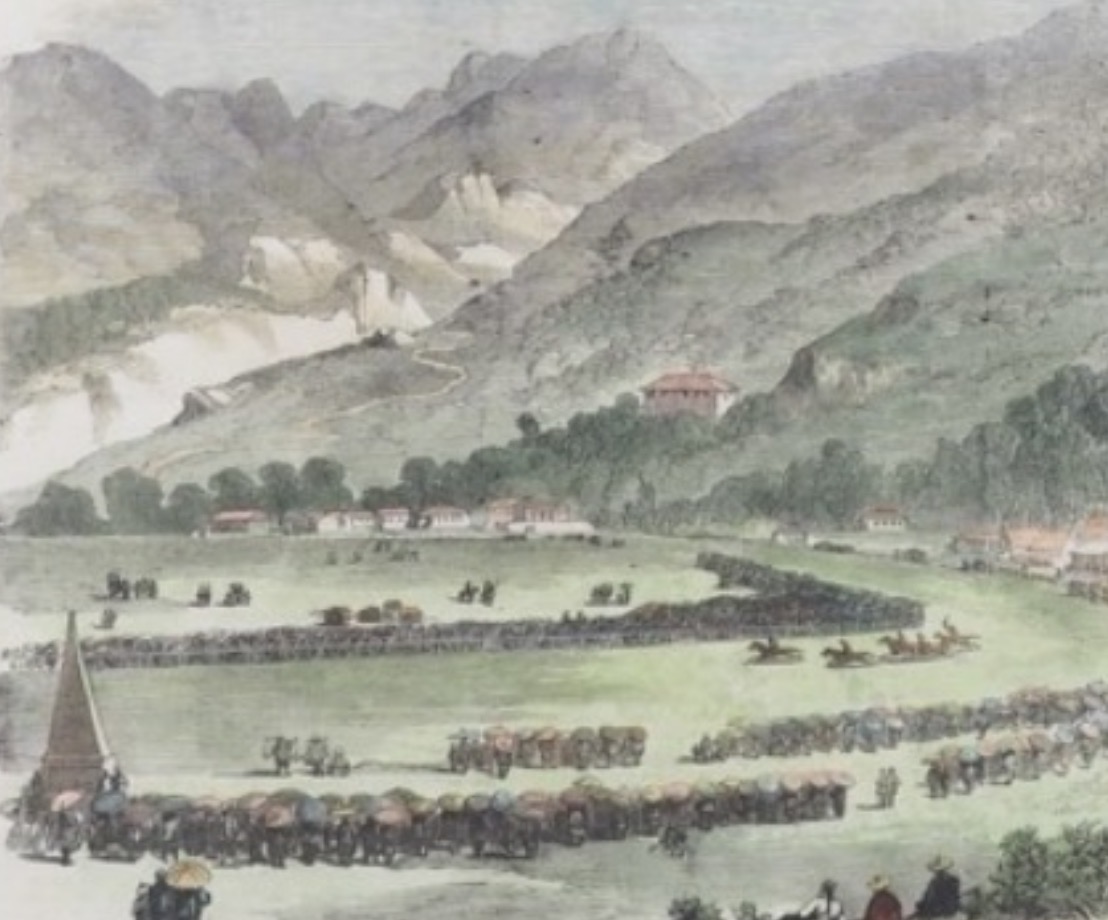
The London Illustrated News on the May 1858 races at Hong Kong’s Happy Valley. The original artist was Yokohama-based Thomas Wirgman, special correspondent and illustrator for The Illustrated London News in China and Japan. His field sketches were sent back to London, where professional workshop artisans engraved them onto woodblocks to be printed in the weekly paper.
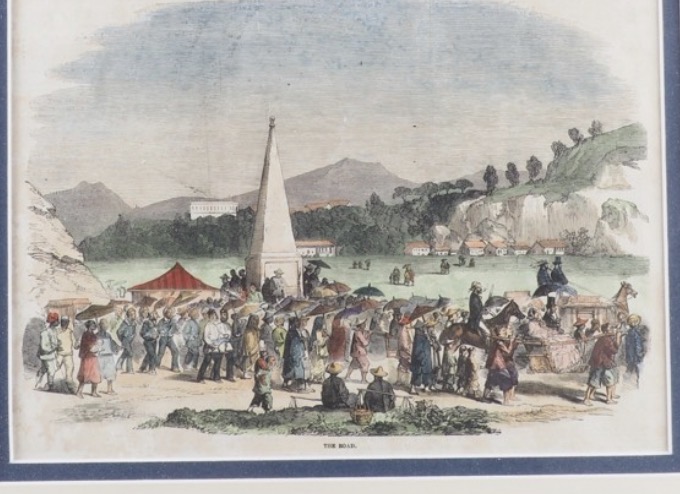
From The London Illustrated News on the May 1858 races at Hong Kong’s Happy Valley. The original artist was Yokohama-based Thomas Wirgman.
This final picture is interesting as it features The HMS Vestal Monument, a stone obelisk originally erected in 1847 by Captain Charles Talbot, the officers and crew of the British warship HMS Vestal (a sixth-rate frigate stationed in Chinese and Hong Kong waters during the 1840) to commemorate the sailors who died of illness while serving on the station.
The obelisk stood at the corner of Queen’s Road East, Wong Nai Chung Road near Morrison Hill. It was moved in 1968 to Hong Kong Cemetery in Happy Valley.
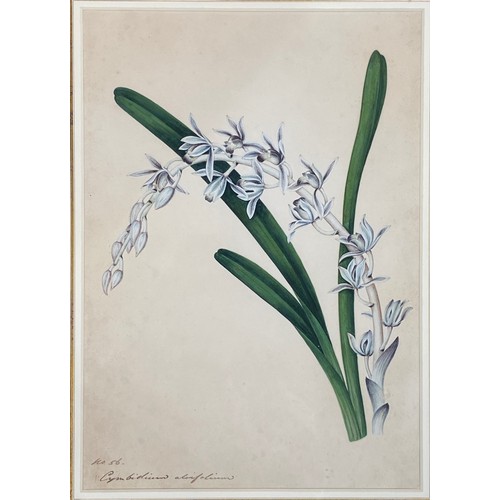
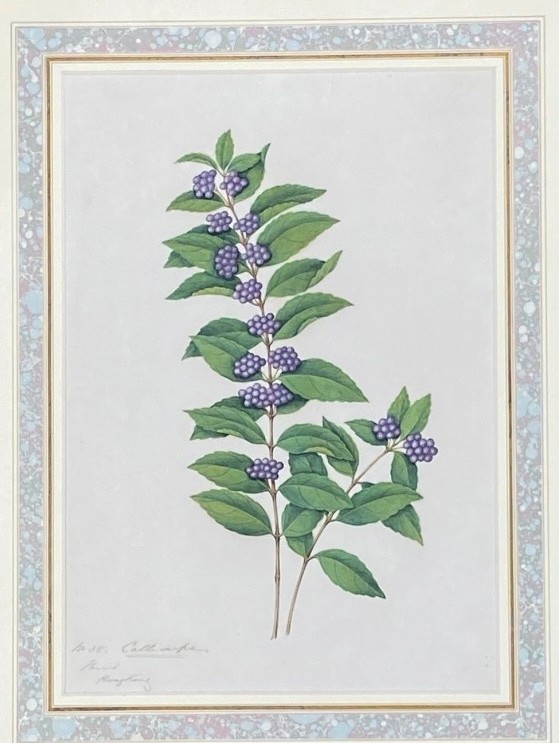
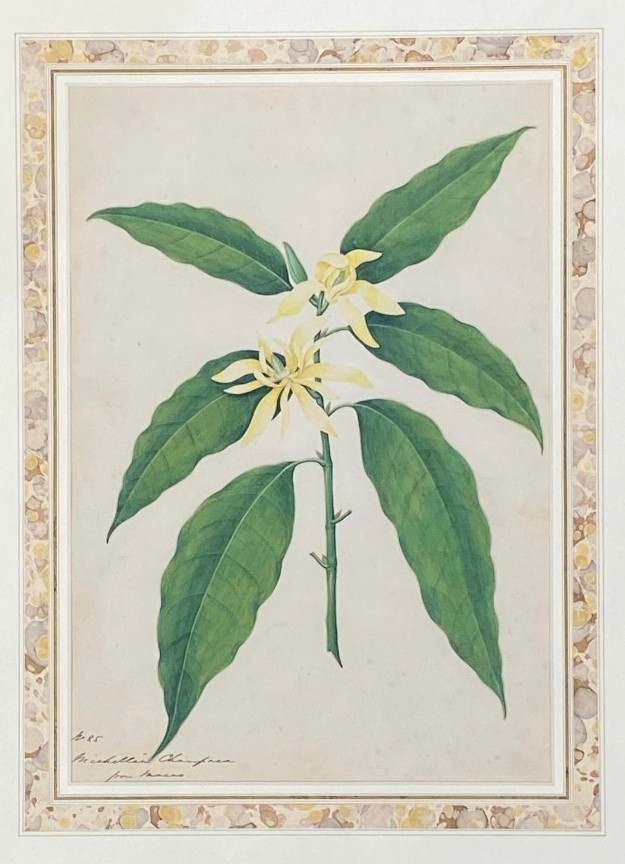
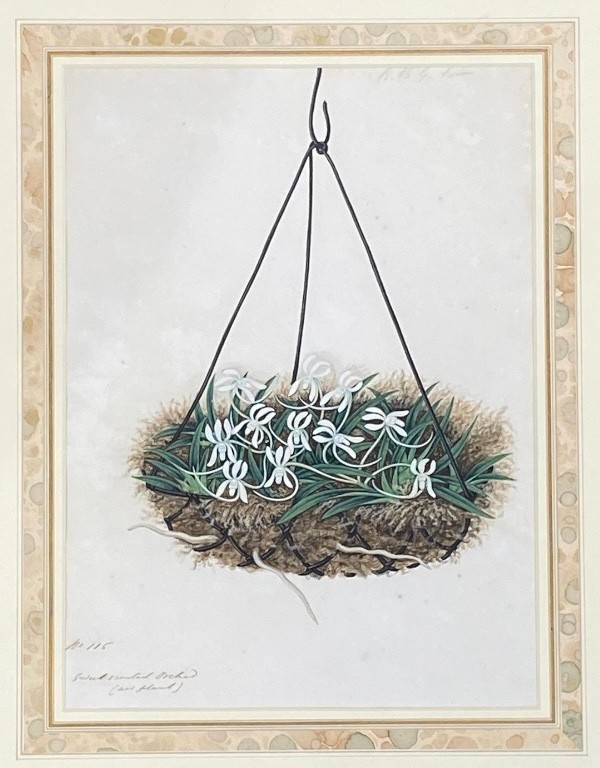
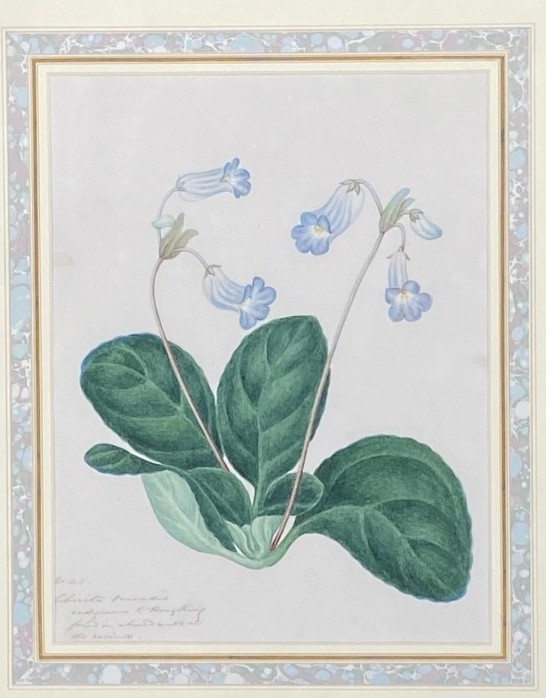
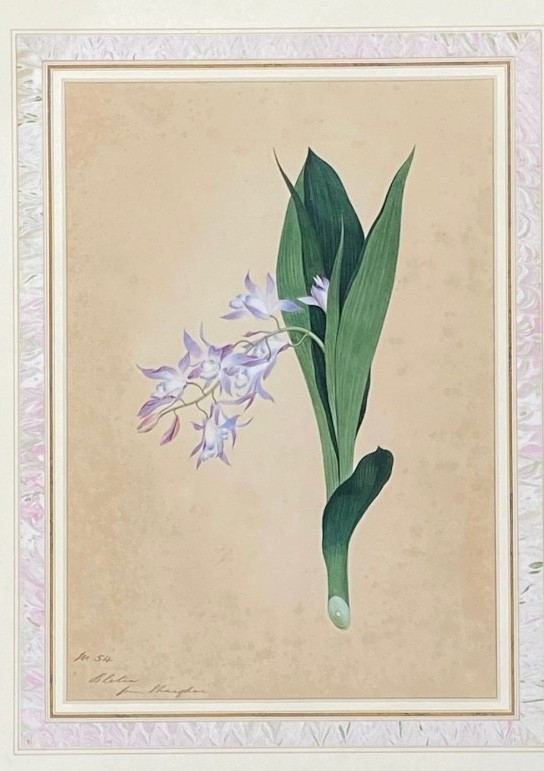
A series of botanical watercolour studies from “The Flora of Green Bank, Hong Kong”, 1848. The drawings were created by an anonymous Chinese School artist. Green Bank was an early grand residence and estate on Hong Kong Island owned by merchant and horticulturist Charles Joseph Braine situated in what is now Lan Kwai Fong. Braine worked as a partner for Dent & Co., one of the wealthiest and most powerful British merchant firms (Hongs) operating in China at the time. He served as a Justice of the Peace and was an active member of the Royal Asiatic Society.
When British residents moved from Macao to Hong Kong after the island was ceded, plants from Mr. Beale’s renowned botanical garden in Macao were safely relocated to the garden at Green Bank in 1845. Green Bank featured terraced gardens with potted plants brought from both Macao and Canton (Guangzhou) including bamboos, myrtles, gardenias, oleanders, camellias, azaleas, and roses. Green bank became famous and much visited – Scottish botanist Robert Fortune vividly detailed the estate’s spectacular variety of native and imported flora in his 1852 travelogue, A Journey to the Tea Countries of China.
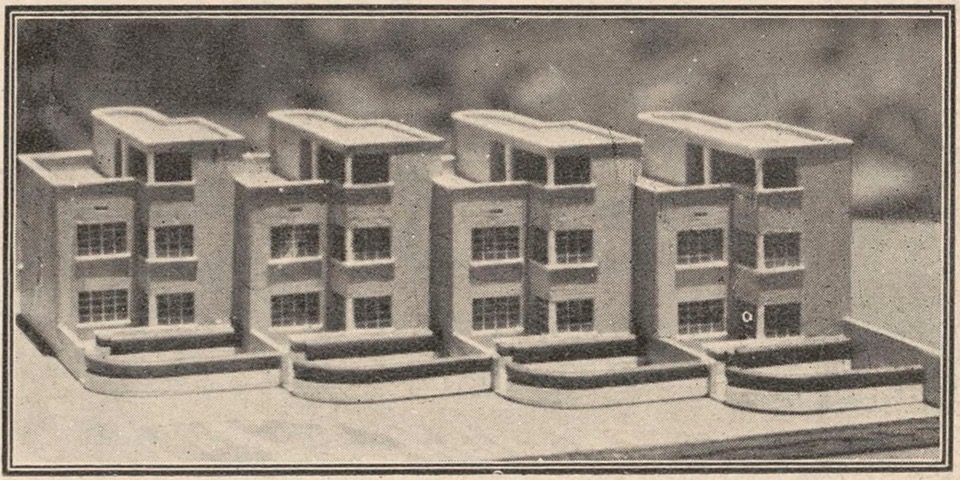
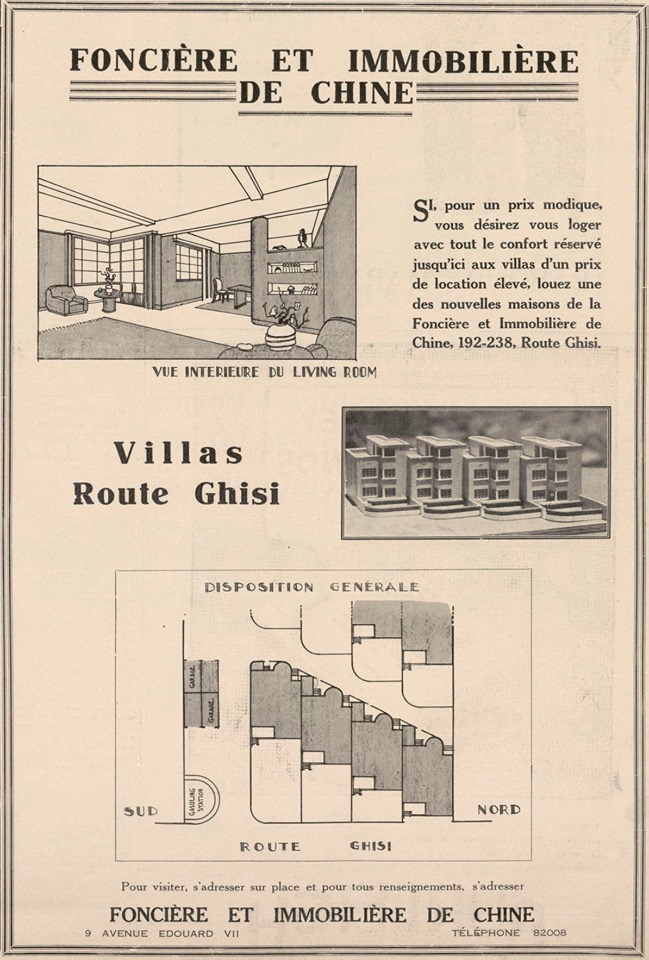
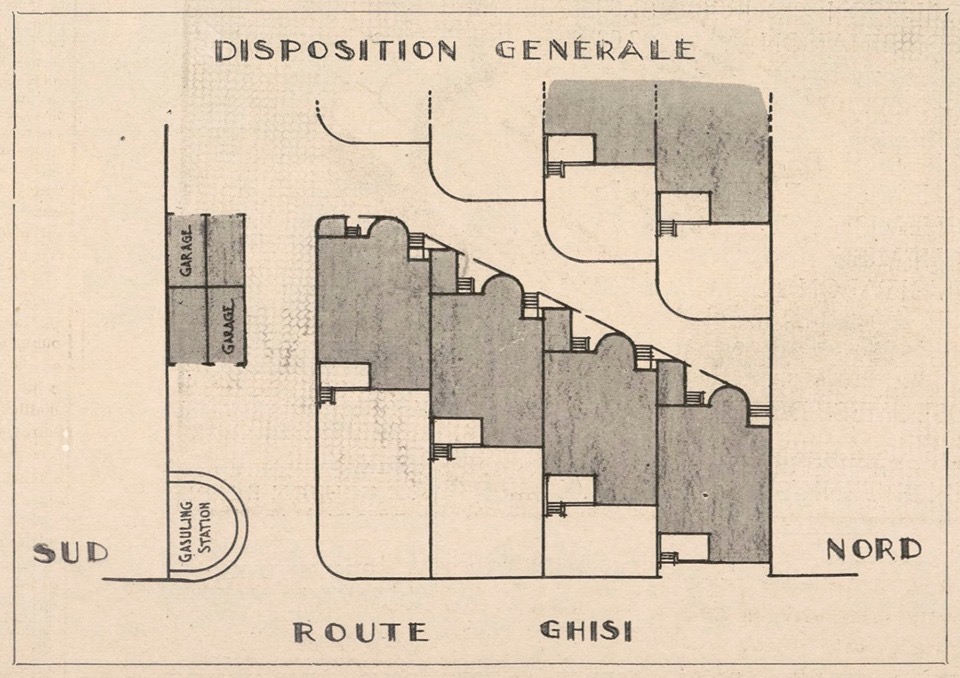
Route Ghisi, now Yueyang Road (岳阳路), Shanghai old French Concession, named after Ernesto Ghisi, an Italian silk trader and member of the French Municipal Council in Shanghai. The original schematics from Fonciere et Immobiliere de Chine that financed so much modern construction im the Shanghai FC as well as Kowloon in Hong Kong. i think these buildings remain as a police compound?
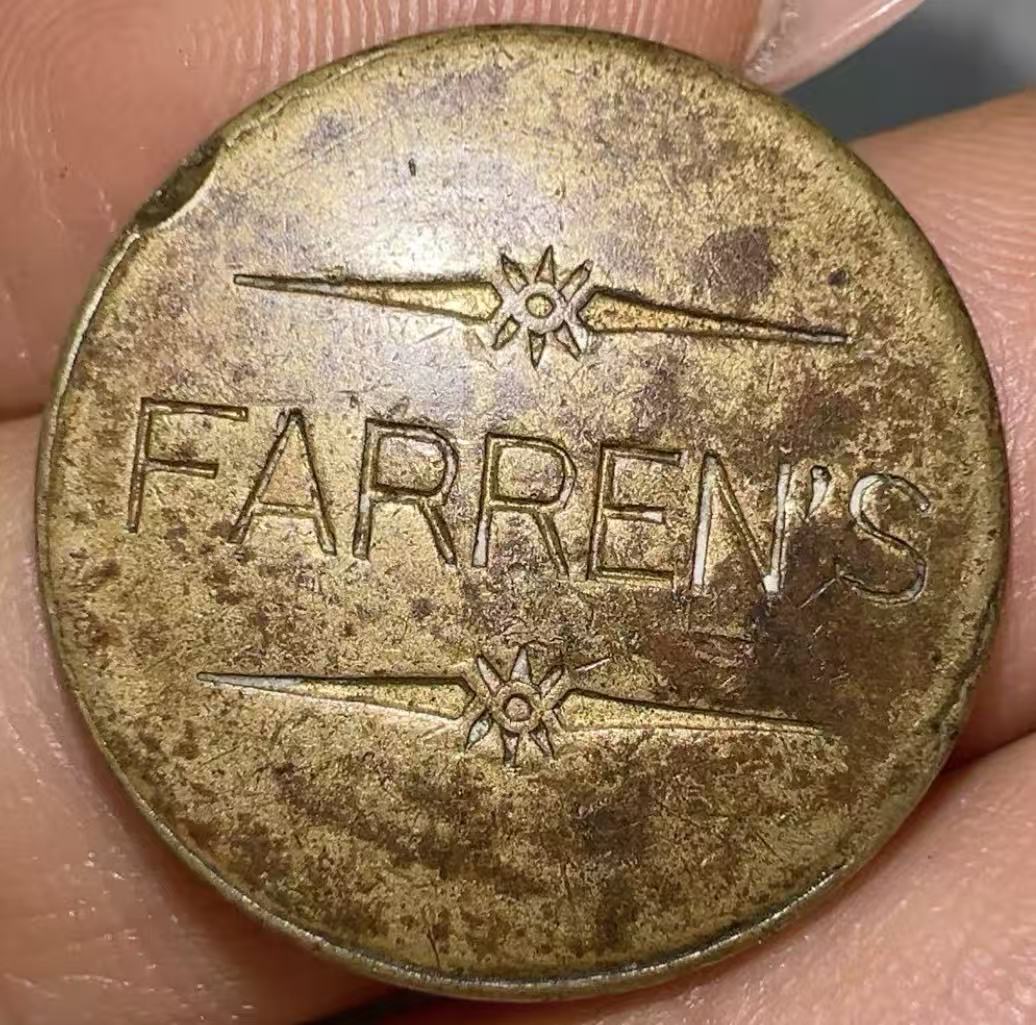
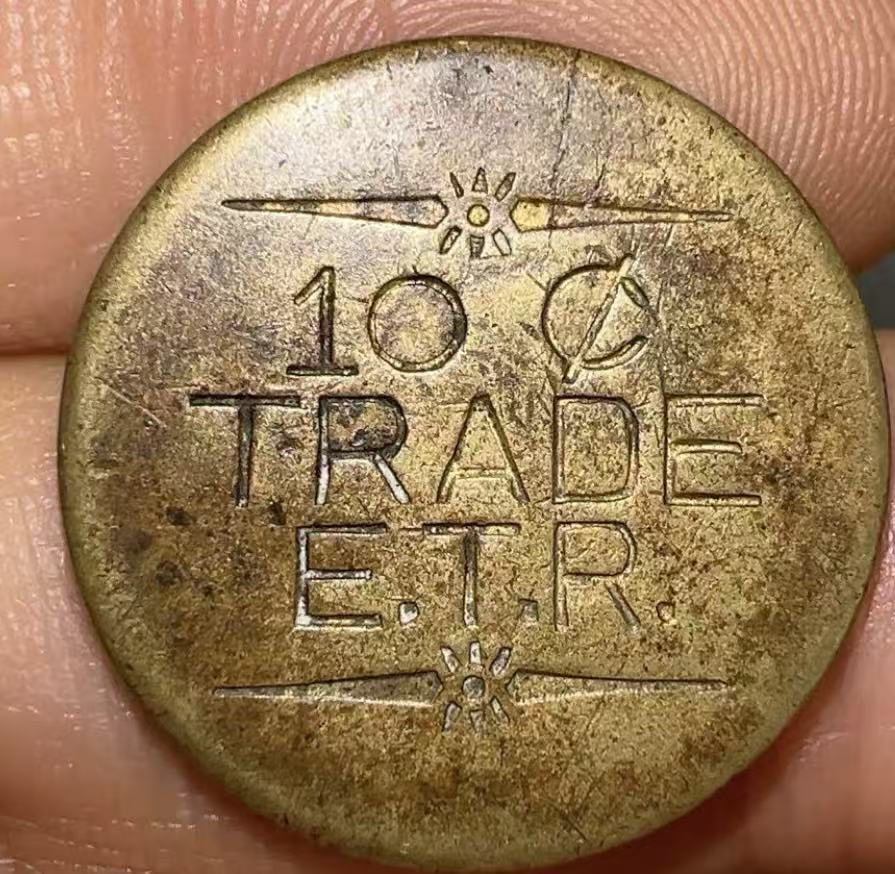
My thanks to a token collecting friend in Shanghai who came across this Jack Riley (Edward Thomas Riley – ETR) issued slot machine 10cents token for Farren’s nightclub. A real old Shanghai collectors item…. Of course “Lucky Jack”, the “Slots King of Shanghai” is a major character in my book of old Shanghai gangster life, City of Devils: A Shanghai Noir….
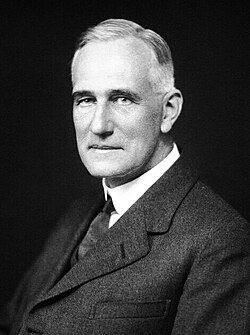
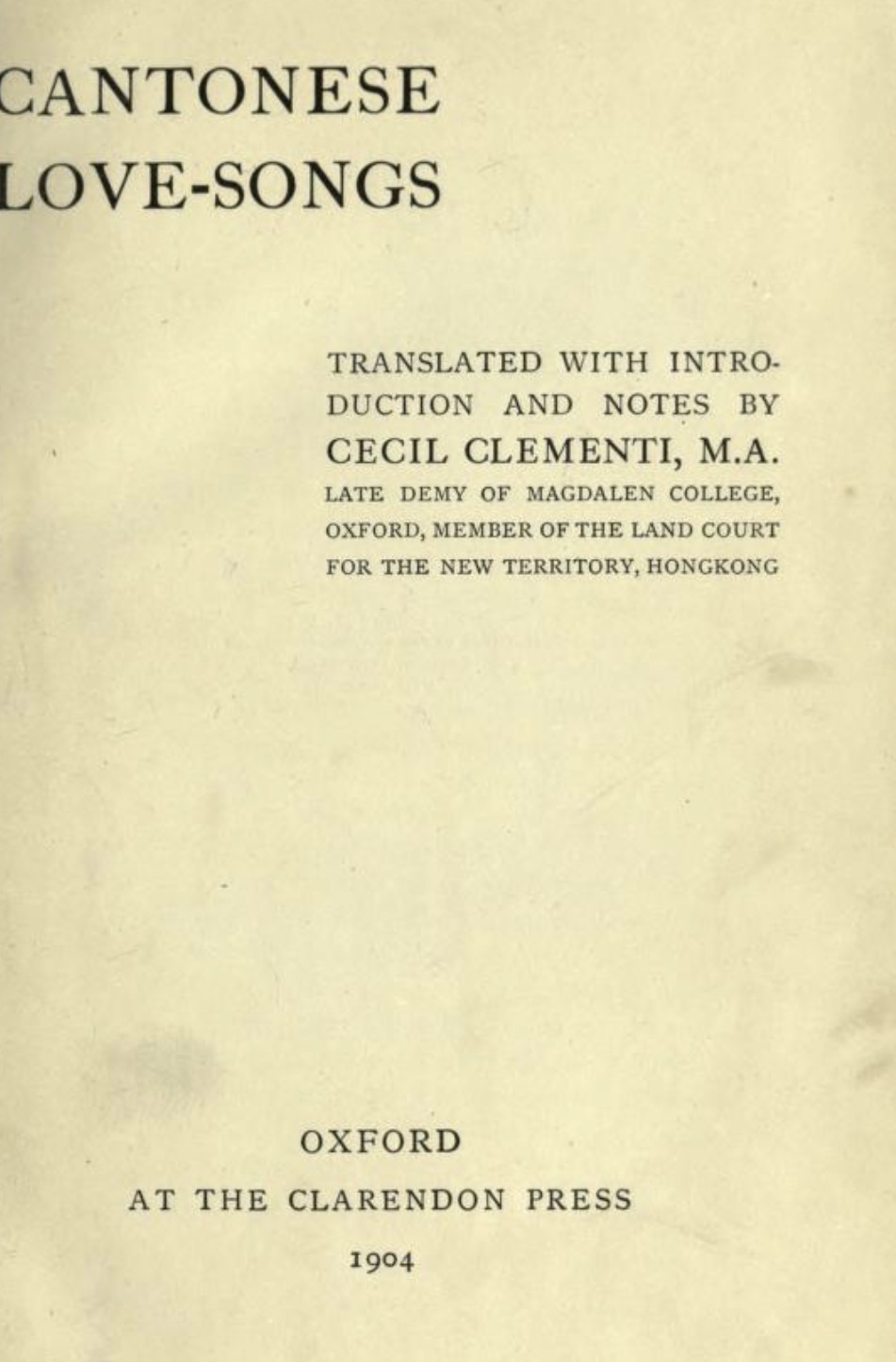
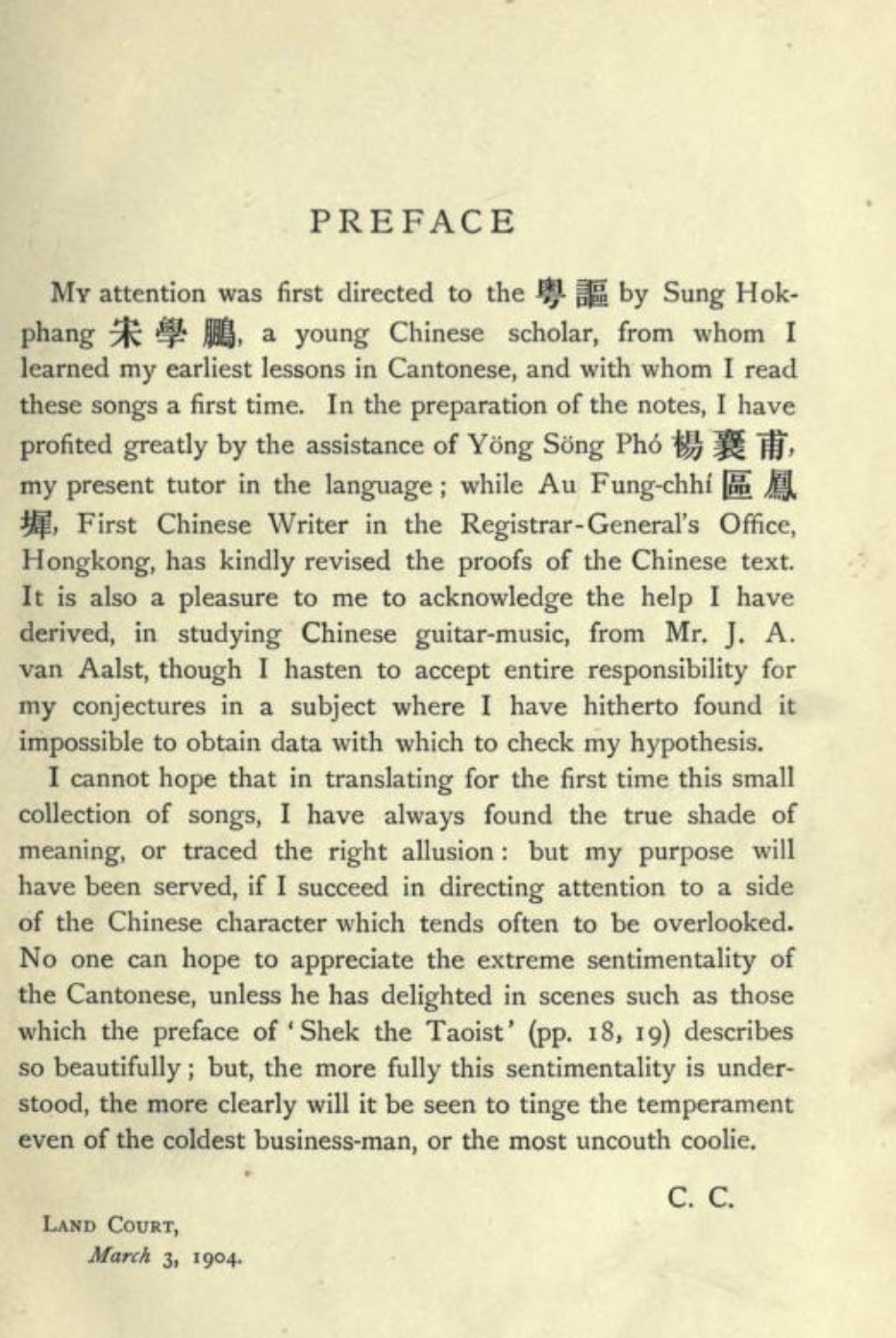
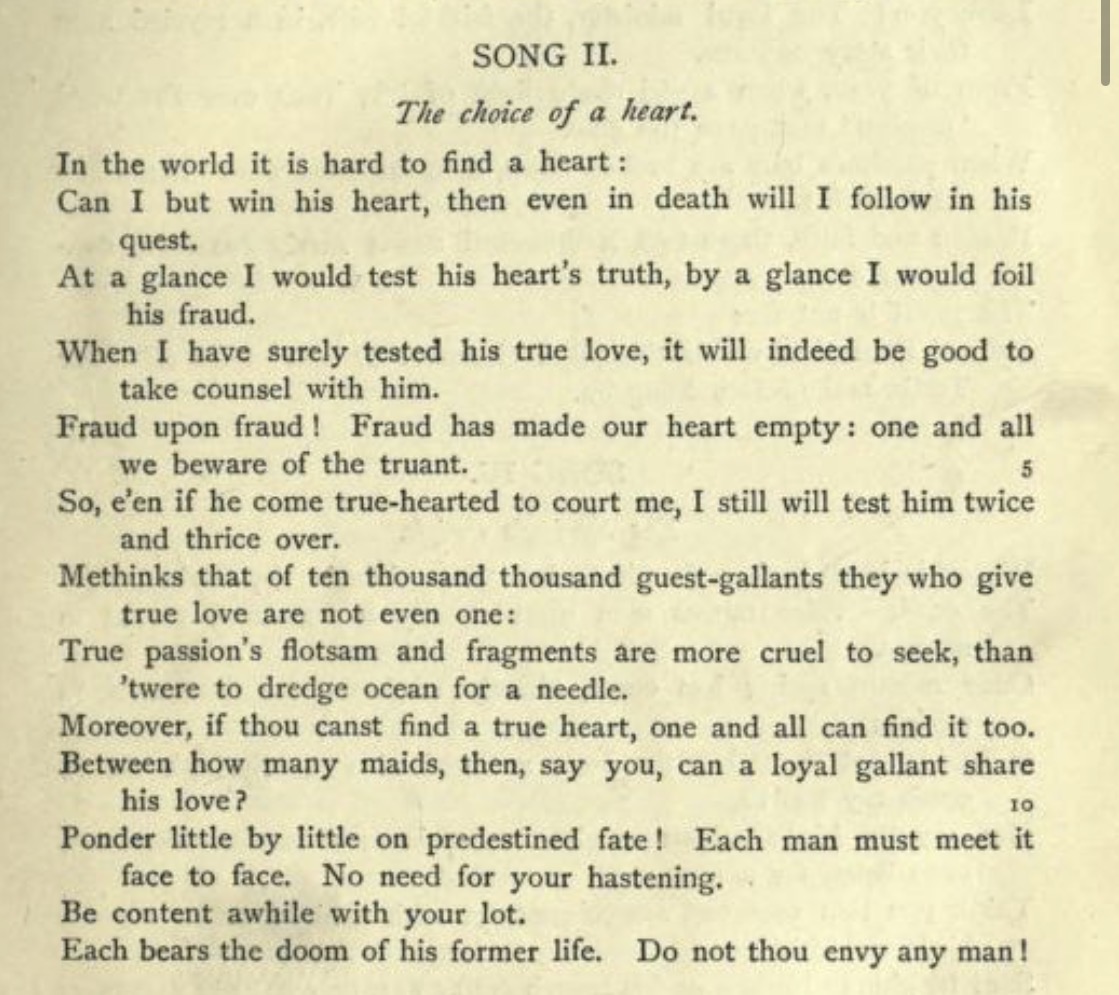
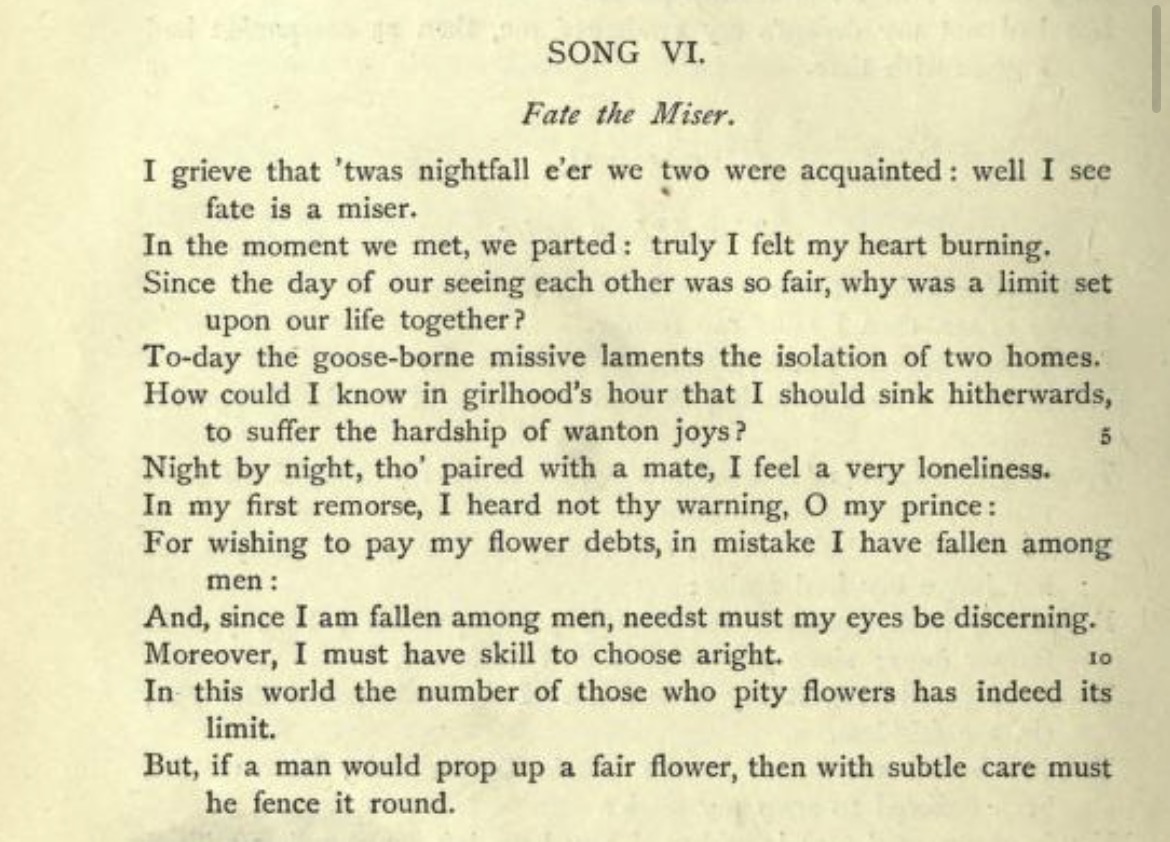
Cantonese Love-Songs (1904, Oxford: Clarendon Press) is a 2-volume translated by British colonial official and former Governor of Hong Kong (and best friend of Sir Reginald Johnston), Sir Cecil Clementi. Based on the vernacular ballads (Yue’ou, 粵謳) written by Zhao Ziyong (招子庸), a 19th-century Chinese scholar from Guangdong. Volume I contains the original Chinese text and a glossary while Volume II features the English translation, a detailed introduction, and explanatory notes representing one of the earliest systematic English-language academic renditions of Cantonese vernacular literature. Clementi’s translation framed the ballads as romantic elegies, softening some of the raw social and political realities of the original courtesan laments. If you’d like to read Clementi’s translations they’re on Internet Archive here and there’s a couple below…