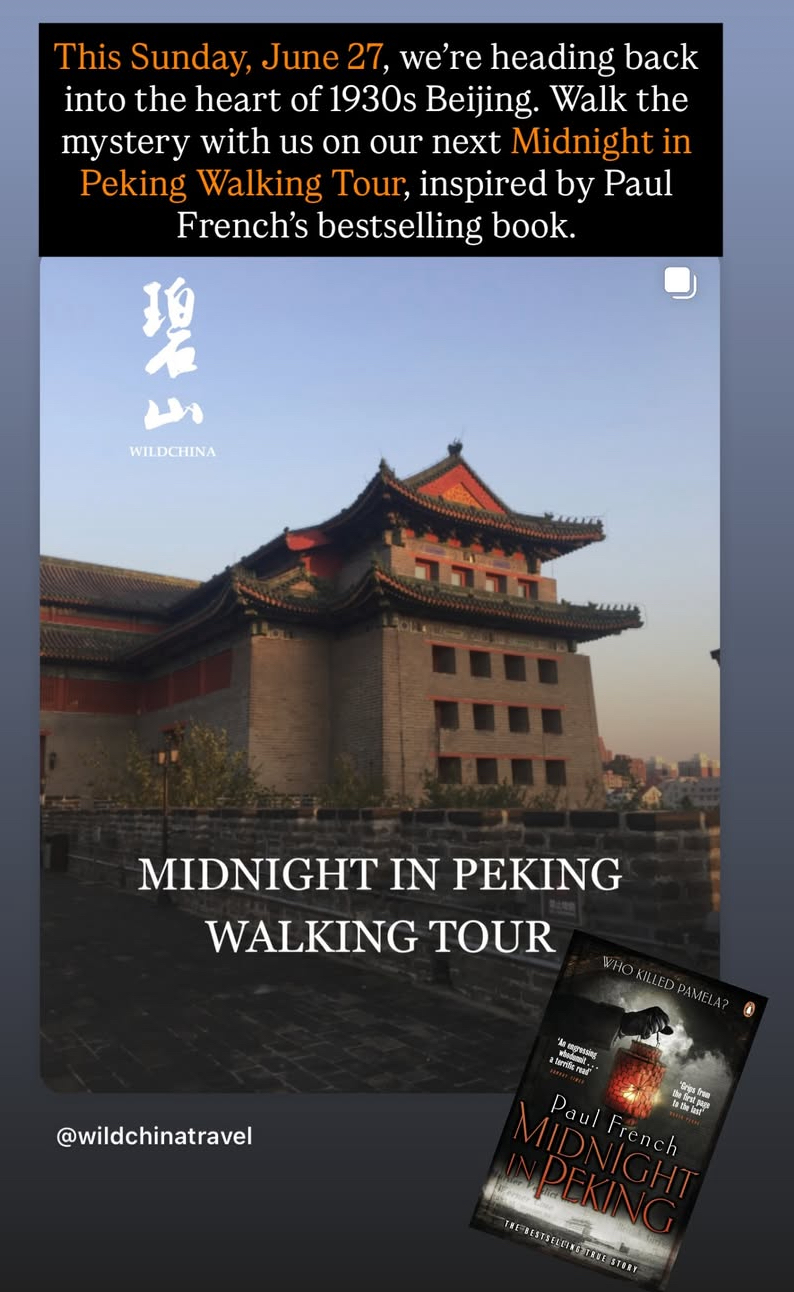
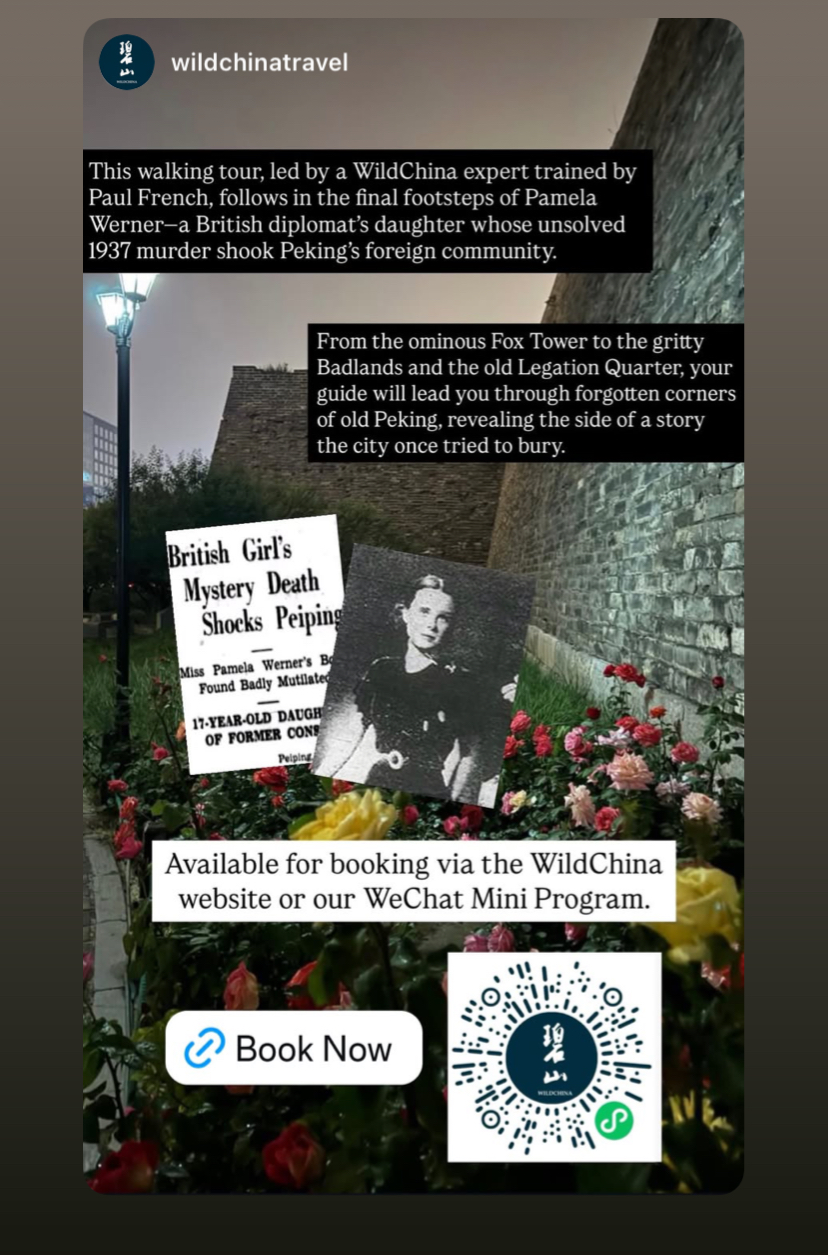
In Beijing?? This Sunday July 27th WildChina Travel is running the Midnight in Peking Walking Tour through the major sites of my book about the 1937 murder of Pamela Werner – the Fox Tower, Armour Factory Alley, the hutongs of the old Peking Badlands and the Legation Quarter, all finishing at the former Grand Hotel de Pekin.
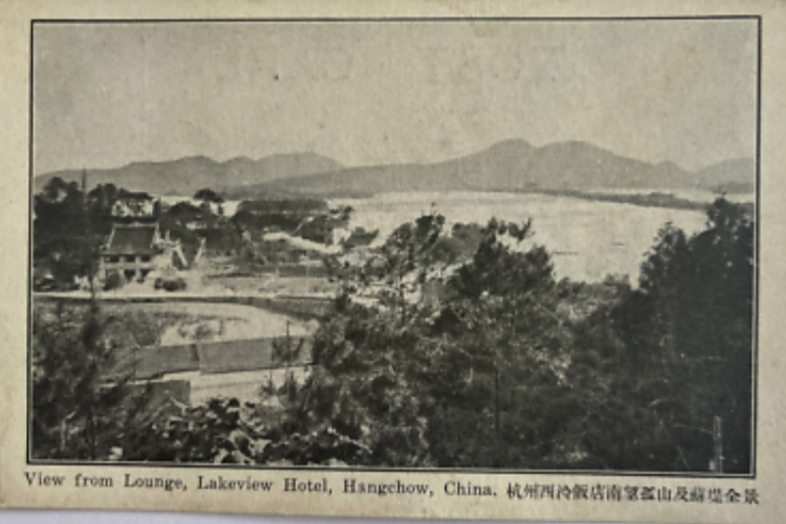
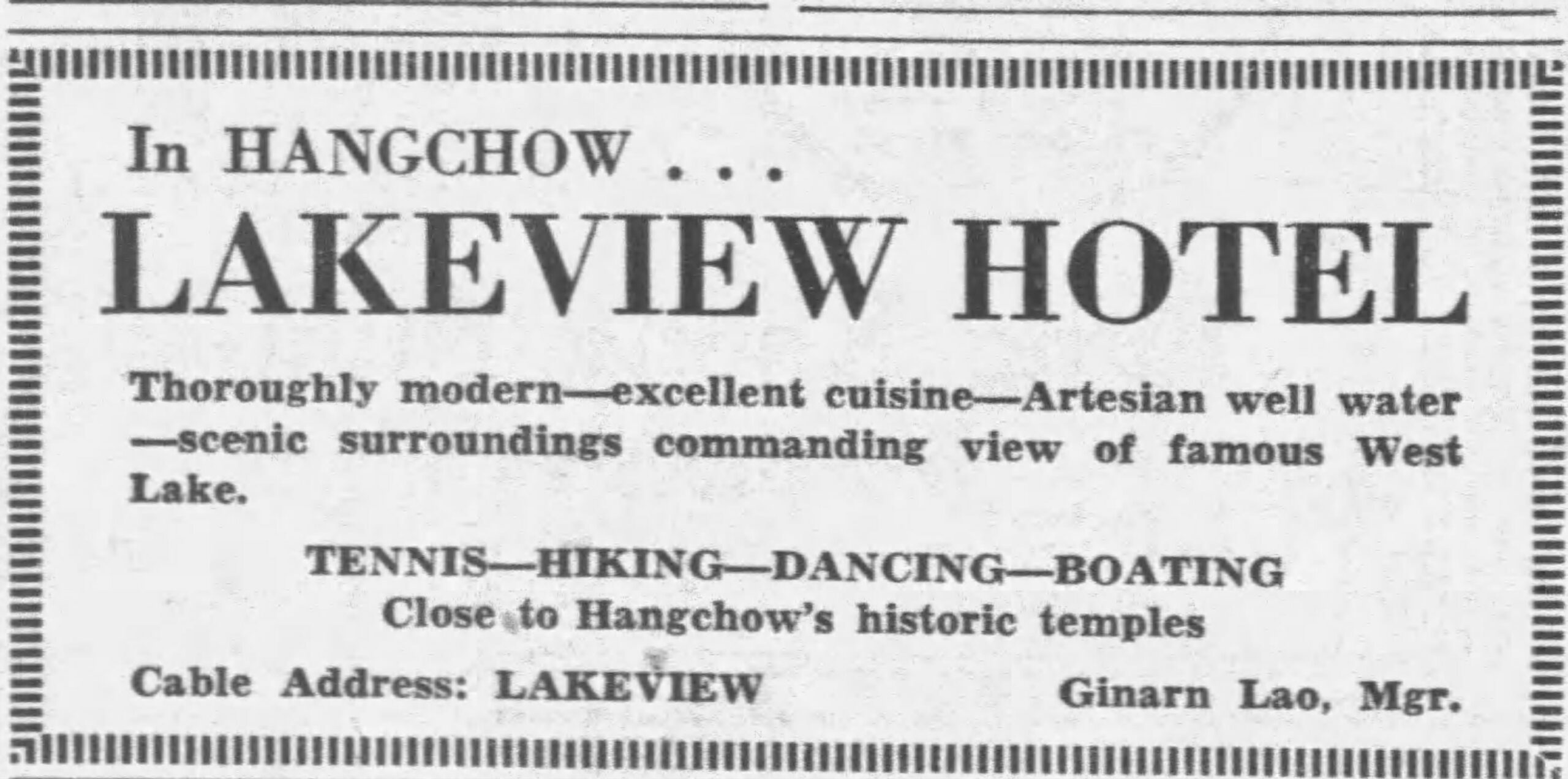
The old Lakeview Hotel in Hangchow (Hangzhou) is somewhat mysterious. There is a Lakeview Hotel in Hangzhou today, perhaps built (in 1986 and refurbished in 2005) on the site of the old one. Below you’ll see a postcard of the view from the Lakeview and a newspaper advert for the hotel. I have also posted before about a marvellous brochure the hotel produced in 1937 (here). But I’ve never seen an actual photo of the hotel, if anyone happens to have one? All the usual things Hangzhou still offers – though I’m not sure what happened to the artesian well!! Manager Ginarn Lao remains a total mystery too!
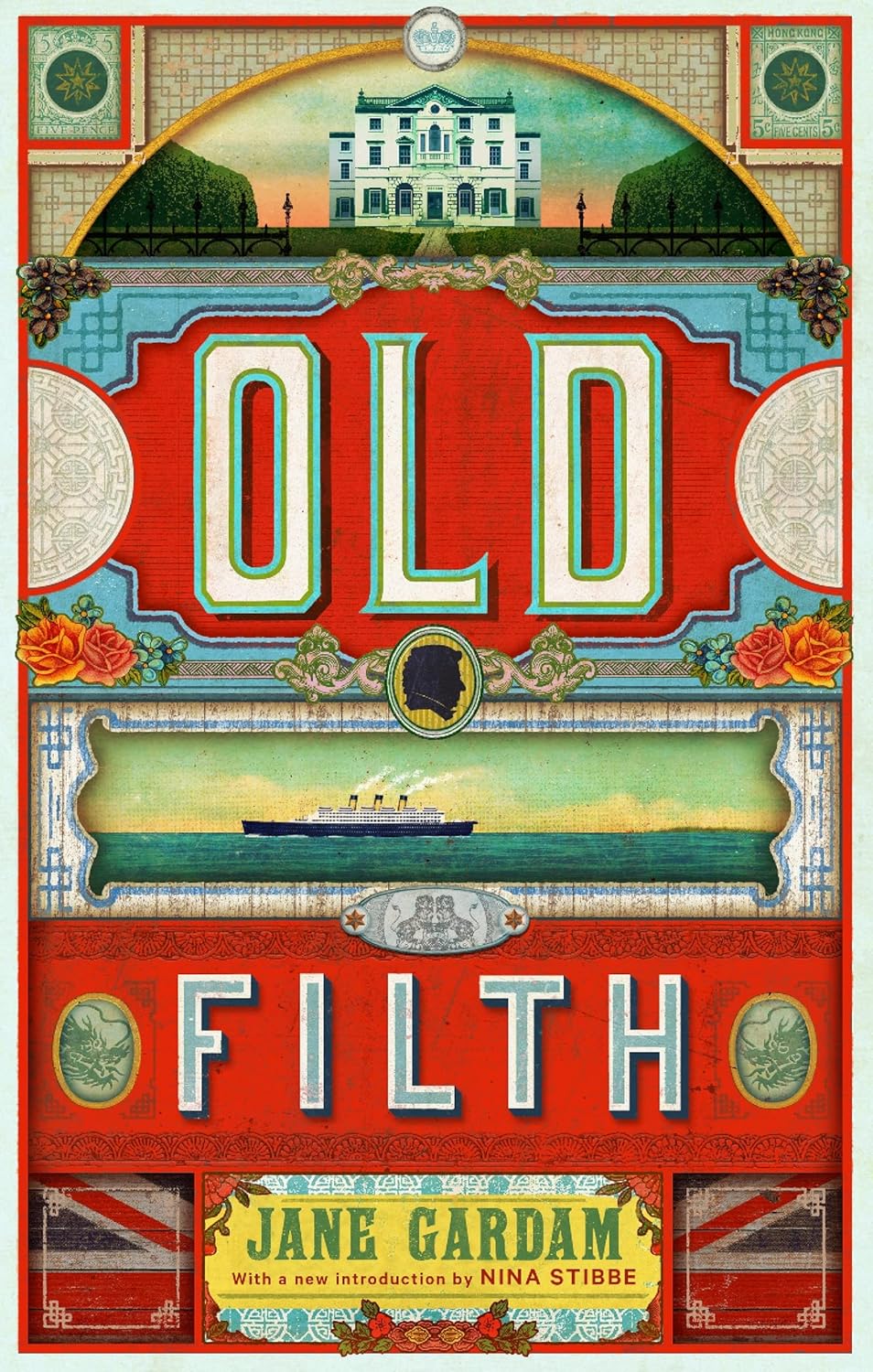
Thanks to China Books Review for the chance to write about (the sadly recently passed) Jane Gardam and her excellent Old Filth trilogy about colonial Hong Kong which, if you haven’t read you really should….click here to read
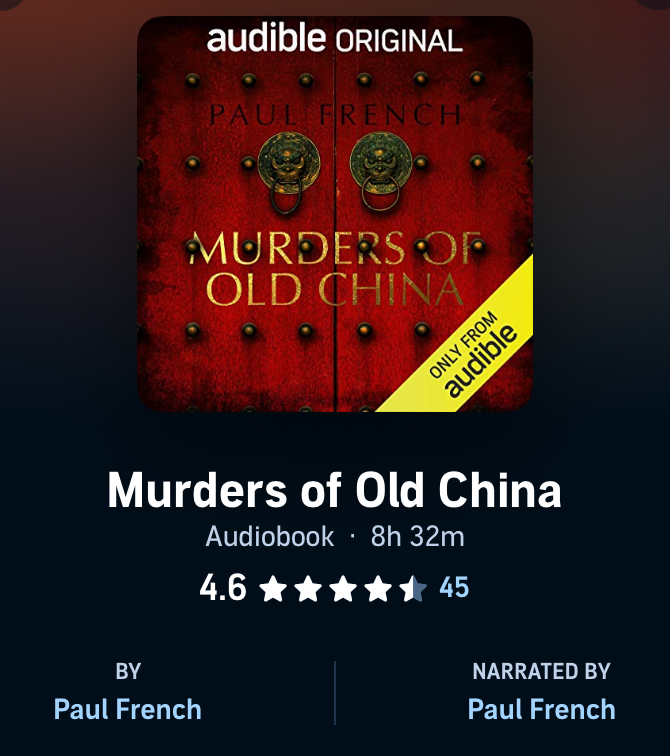
The currently being filmed 2023 Leongatha mushroom murders in Australia involved the murder of three people by mushroom poisoning. Eerily reminiscent of when, in 1932, Shanghai mob boss Du Yuesheng killed half a dozen people at his Frenchtown mansion with mushrooms & the only survivors were the corrupt chief of the French police who fled to the Riviera and retirement and, of course, Big Eared Du himself….. BTW the whole tale is on my Audible Original Murders of Old China (along with another 11 old China cold cases)….
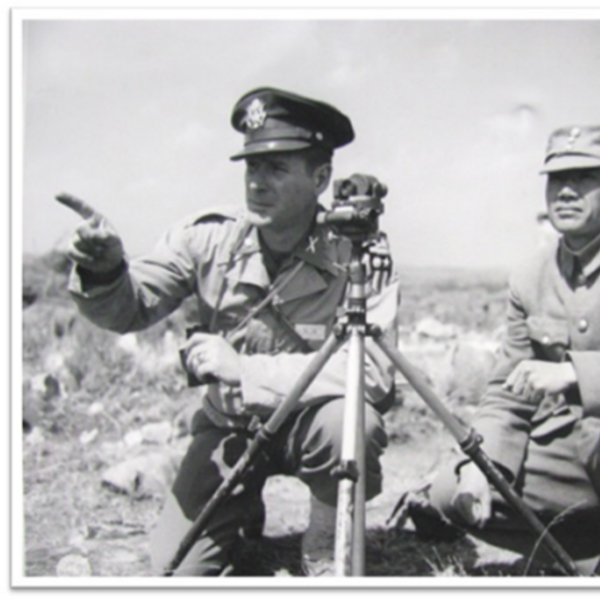
WHAT: “Once We Were Allies: The US Effort in the China-Burma-India Theater in WWII” by Dr. David Finkelstein (online)
WHEN: Wednesday, July 23, 2025 from 8:00 PM to 9:00 PM Beijing Time
MORE ABOUT THE EVENT: 2025 marks the 80th anniversary of the end of WWII, and commemorations are being held around the world. However, the US military effort in the China-Burma-India (CBI) theater is receiving scant attention, relegating it to the status of a “twice forgotten theater.” In this photo-rich presentation, retired US Army Officer and historian David Finkelstein focuses on the US military in the CBI theater, at the operational and tactical levels of the war: in arid Assam, in the sub-zero temperatures flying over the “Hump”, in the steaming jungles of Burma, and in lush southwestern and central China. It is the narrative of American and Chinese ground forces working together to regroup, retrain and re-equip to take back Burma (today’s Myanmar) from the Imperial Japanese Army. It is the story of the US Army Air Corps executing the world’s first sustained strategic airlift, creating bomber bases in Sichuan Province to attack Japan, and executing precision supply drops to American commandos deep in Burma’s jungles. It recalls the over 3,000 combat advisers embedded in Chinese operational units; US Army doctors and nurses who provided medical support; and tens of thousands of Chinese forces trained and equipped in India before returning home to defend their homeland. Most of all, it is a narrative of Americans and Chinese—military and civilian—working together to keep China in the fight.
MORE ABOUT THE SPEAKER: David M. Finkelstein is a life-long student of defense and security developments in Asia. Currently he is the director for Asian security affairs at the Center for Naval Analyses in Arlington, Virginia. Formerly a career US Army officer holding various command and staff positions in field units, he has more than four decades of experience in the military, academia, and the international think tank scene. He graduated from the United States Military Academy at West Point, received a PhD in Chinese and Japanese history from Princeton University, and studied Mandarin at Nankai University in Tianjin, China. He has served as Director for Asian Analyses on the Joint Staff and on the faculty at West Point teaching Chinese history, Japanese history, and the history of warfare in Asia. The Secretary of the Navy recently honored him with the Distinguished Public Service Award. Dr. Finkelstein is a member of the National Committee for US-China Relations.
HOW MUCH: This event is free for RASBJ members, RMB 50 for members of RAS branches in London, Shanghai and Hong Kong, and RMB 100 for non-members. Interested in becoming a member? Please sign up at https://rasbj.org/membership/
HOW TO JOIN THE EVENT: Please click “Register” or “I will Attend” before July 21 and follow the instructions. If you encounter difficulties paying via WeChat Pay, you may wish to use Alipay or an international credit card instead. After successful registration you’ll receive a confirmation email with a link to join the event. If you seem not to have received it, please check your spam folder.
MEMBERS OF PARTNER RAS BRANCHES: Please register at least 72 hours in advance to allow time for membership verification. After successful registration you’ll receive several emails from RASBJ; please check your spam folder to ensure you see all RASBJ emails.
REFUND POLICY: If the event is cancelled by RASBJ, all paying registrants will be refunded in full.
Hong Kong, 1941. Following the Japanese occupation of Shanghai, the wealthy Tang family flee to Hong Kong.
As the First Wife of the family, Mingzhu leads a sheltered – if lonely – existence overseeing her daughter Qiang and managing the household alongside her devoted maid, Biyu.
But when the Japanese army invade, the three women are scattered. Mingzhu is coerced into working for a Japanese captain. Qiang and Biyu escape the island, only to be forced into factory work then separated after an encounter with the East River Column Resistance fighters.
The longer the brutal occupation lasts, the more determined the women are to resist. And as war rages around the world, each is holding onto the hope that the other is alive.
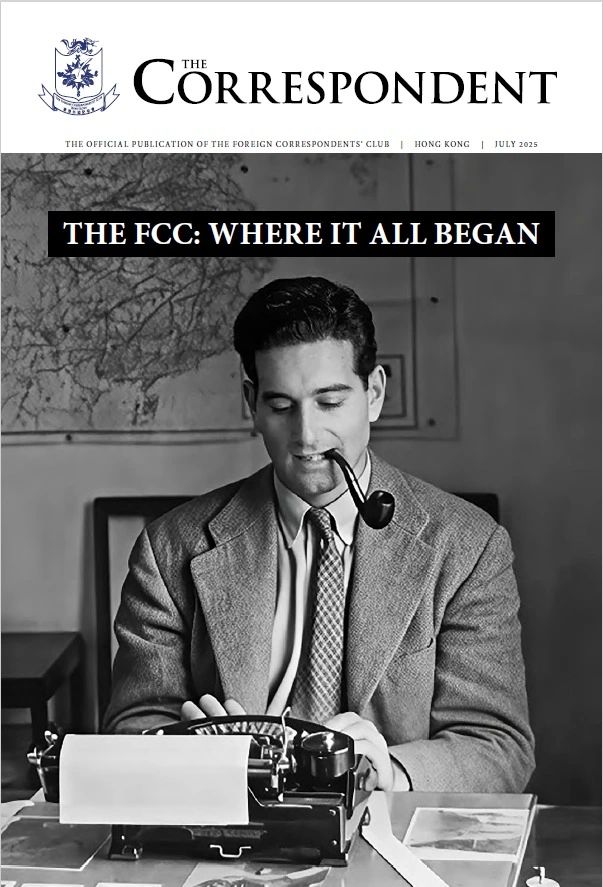
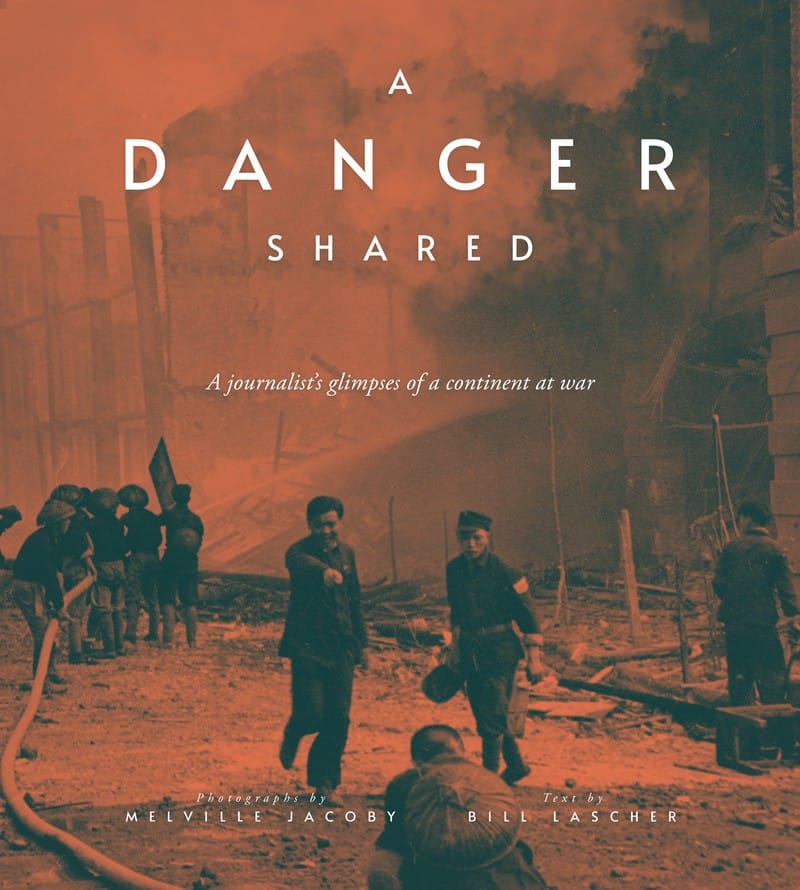
How great to see the latest issue of The Foreign Correspondents’ Club, Hong Kong magazine feature Mel Jacoby on the front (courtesy of Bill Lascher I assume) reflecting the origins of the FCC in wartime Chungking (Chongqing). The Press Hostel was an early precursor to the FCC (before it moved to Shanghai’s Broadway Mansions and then Hong Kong), was home to foreign correspondents covering WWII who later joined together to issue a memorandum that became the foundation upon which our Club was born.