Posted: October 29th, 2015 | No Comments »
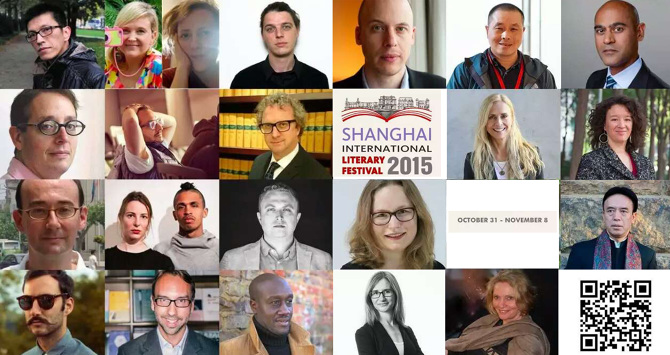
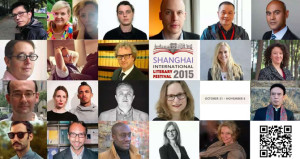
A slightly delayed and shortened LitFest this year at M on the Bund in Shanghai due to the World Congress of Art Deco also being on in the city….here’s some highlights this weekend for ChinaRhymers….
Saturday October 31:
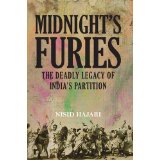
Nisid Hajari on Midnight’s Furies and the messy partition of India in 1947 – 11am
Sunday November 1:
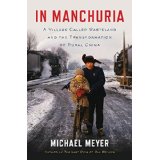
Michael Meyer on his Manchuria book – 1pm
You can see all the line up here….
Posted: October 29th, 2015 | No Comments »
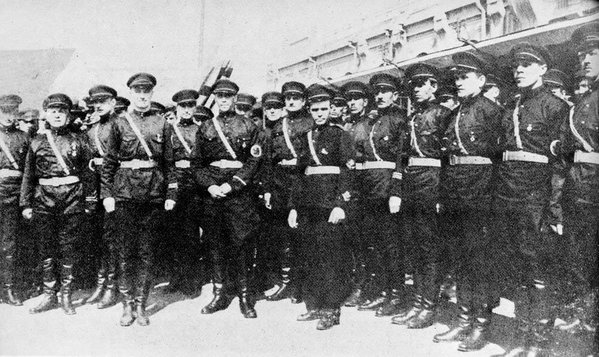
This picture of White Russian fascists in Harbin in 1934 popped up on twitter the other day, courtesy of Peter Harmsen, the author of the books Shanghai 1937 and Nanjing 1937 – you can follow his regular and interesting tweets at @chinaww2. I’ve posted myself about Russian fascists in China before but the political allegiances of the Russians in Shanghai just before and during World War Two were many and varied.
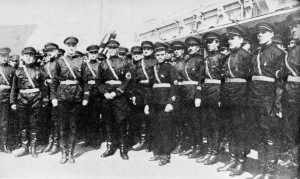
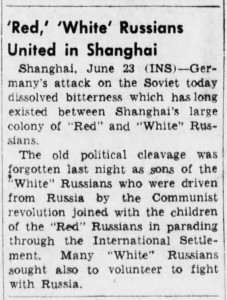
Some did form pro-fascist groups, others actively worked with the Japanese and Nazis in the hope that the USSR would be defeated and they’d be able to regain their former positions and property. However, as the article from June 1941 below shows, following the Nazi invasion of the Sioviet Union some White Russians did join with the Soviet Russian community in Shanghai to oppose the attack. This is, of course, understandable and admirable in some ways – more so than becoming fascists (of course there was always a rather large strain of anti-Semitism among many White Russians which swayed them) though sadly many of those who did seek to return to the USSR during the war and afterwards mostly ended up in Stalin’s gulags.
Posted: October 28th, 2015 | No Comments »
I’ve posted before about the old tram systems of Shanghai – both the International Settlement’s system and the French Concession’s routes, run by the Française de Tramways & d’Eclairage Electriques de Shanghai. Here’s a 1929 share certificate for 250 shares in the system….

Posted: October 27th, 2015 | No Comments »
Apologies for a little self-promotion but I occasionally write articles with an Asia angle for Real Crime magazine and this month’s issue has one, by me, on the Shanghai Green Gang, Du Yuesheng and his infamous dinner party where everyone (except him) got poisoned…out now and in newsagents all over the place….

Posted: October 26th, 2015 | No Comments »
The story of August Engelhardt, the Cocovores and his mysterious death in German New Guinea in 1919 seems to be grabbing the imagination at the moment. Last year we had Adrian McKinty’s The Sun is God and now Christian Kracht’s Imperium….grab a coconut and have a read….
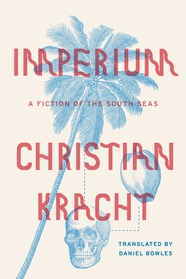 An outrageous, fantastical, uncategorizable novel of obsession, adventure, and coconuts In 1902, a radical vegetarian and nudist from Nuremberg named August Engelhardt set sail for what was then called the Bismarck Archipelago, in German New Guinea. His destination: the island Kabakon. His goal: to establish a colony based on worship of the sun and coconuts. His malnourished body was found on the beach on Kabakon in 1919; he was forty-three years old. Christian Kracht’s “Imperium” uses the outlandish details of Engelhardt’s life to craft a fable about the allure of extremism and its fundamental foolishness. Engelhardt is at once a pitiable, misunderstood outsider and a rigid ideologue, and his misguided notions of purity and his spiral into madness presage the horrors of the mid-twentieth century. Playing with the tropes of classic adventure tales such as “Treasure Island” and “Robinson Crusoe,” Kracht’s novel, an international bestseller, is funny, bizarre, shocking, and poignant. His allusions are misleading, his historical time line is twisted, his narrator is unreliable–and the result is a novel that is a cabinet of mirrors, a maze pitted with trapdoors. Both a provocative satire and a serious meditation on the fragility and audacity of human activity, “Imperium” is impossible to categorize and utterly unlike anything you’ve read before.
Posted: October 25th, 2015 | No Comments »
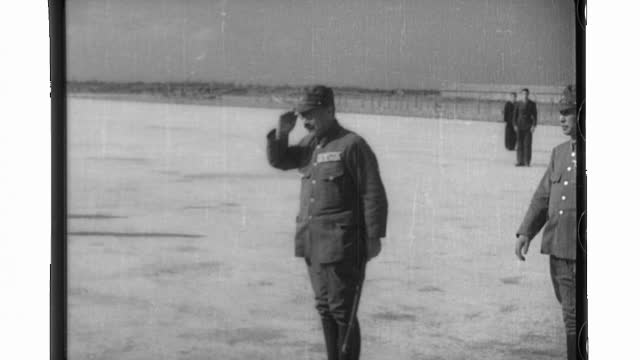
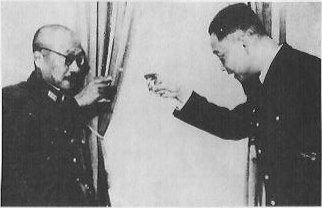
Just as Hitler did a whistle stop one day tour to occupied Paris so, on 14 March 1943, General Tojo, the Japanese Prime Minister visited Shanghai – a Shanghai occupied by the Japanese (except the French Concession which was under the control of the Vichyite collabos still). He apparently conferred with the Japanese commanders of the city and pledged that the foreign concessions would be returned to China – by which he meant to the Wang Ching-wei collaborationist puppet regime. He stayed only one day and then moved on to Nanking.
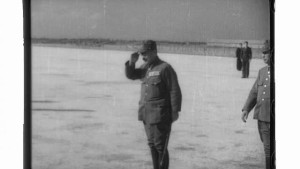
Tojo upon arrival
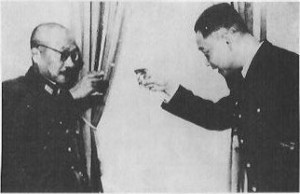 Tojo and Wang Ching-wei
Posted: October 24th, 2015 | No Comments »
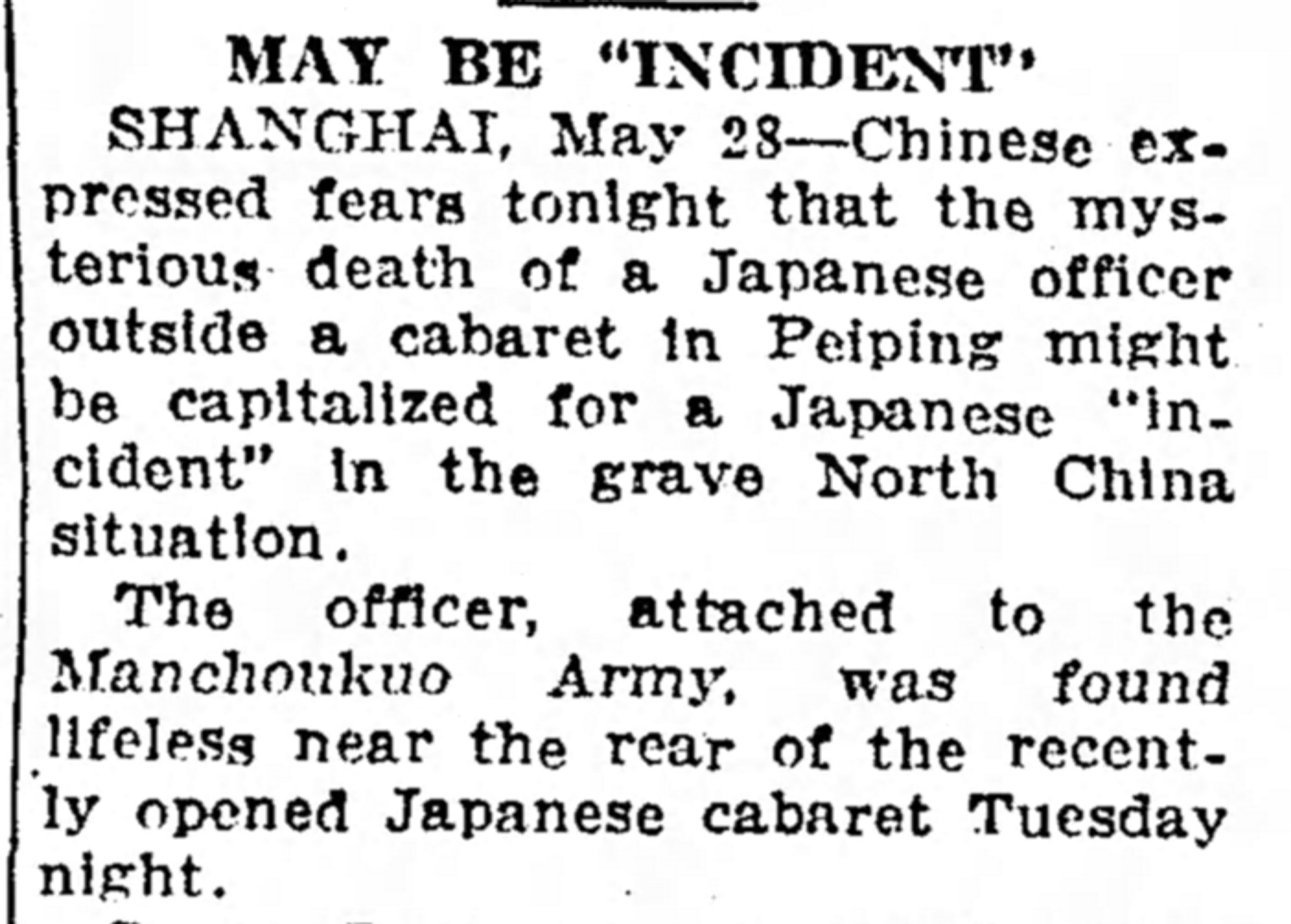
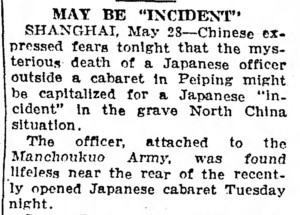
A tantalizingly brief article on trouble in the Peking Badlands from May 1936. Problems began when a Japanese army officer was discovered dead outside a cabaret. Of course the Chinese were worried that the Japanese would use this as an excuse to stage an “incident” as a prelude to attacking the city – they did in July 1937 at the Marco Polo Bridge. Clearly more likely that the Manchukuo Army officer was down on leave from Manchuria and decided to sample the nightlife at some newly opened joint and got himself stabbed…who knows?
Posted: October 23rd, 2015 | No Comments »
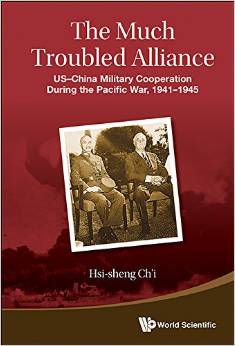
Hsi-Sheng Ch’i’s The Much Troubled Alliance is a steep price, but if you’ve got a nice library that might solve the problem….It’s a well-trod subject but the author claims to have examined Chinese documents on the relationship not previously used much….
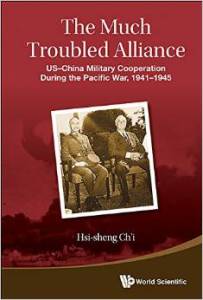 The topics of World War II and US-China relationship have been of much interest to academics and general public alike. This book challenges the conventional wisdom that has been produced on the topics over the past 50 years and offers the readers a new and balanced treatment of the topics. The scope of this book covers all the major political-military events from the Pearl Harbor attack in December 1941 to the victory over Japan in August 1945.The scholarship in this subject area has long suffered from one serious flaw, i.e., unbalanced treatment. Although the leading works in the English language have aspired to conform to high professional standards, their intrinsic limitation is that they have only consulted English language materials, but have virtually failed to consult Chinese language materials. This phenomenon is unsatisfactory since wartime US-China alliance was a highly complicated “bilateral” relationship which can only be adequately narrated and analyzed by taking into account both countries’ data and perspectives. This book addresses this glaring deficiency by employing a large amount of original Chinese source materials, but also by discovering a considerable amount of new English language materials as well as subjecting other often-used English materials to a close scrutiny.This book enables the readers to take a completely fresh look at that important period of US-China relations.