Posted: June 7th, 2012 | No Comments »
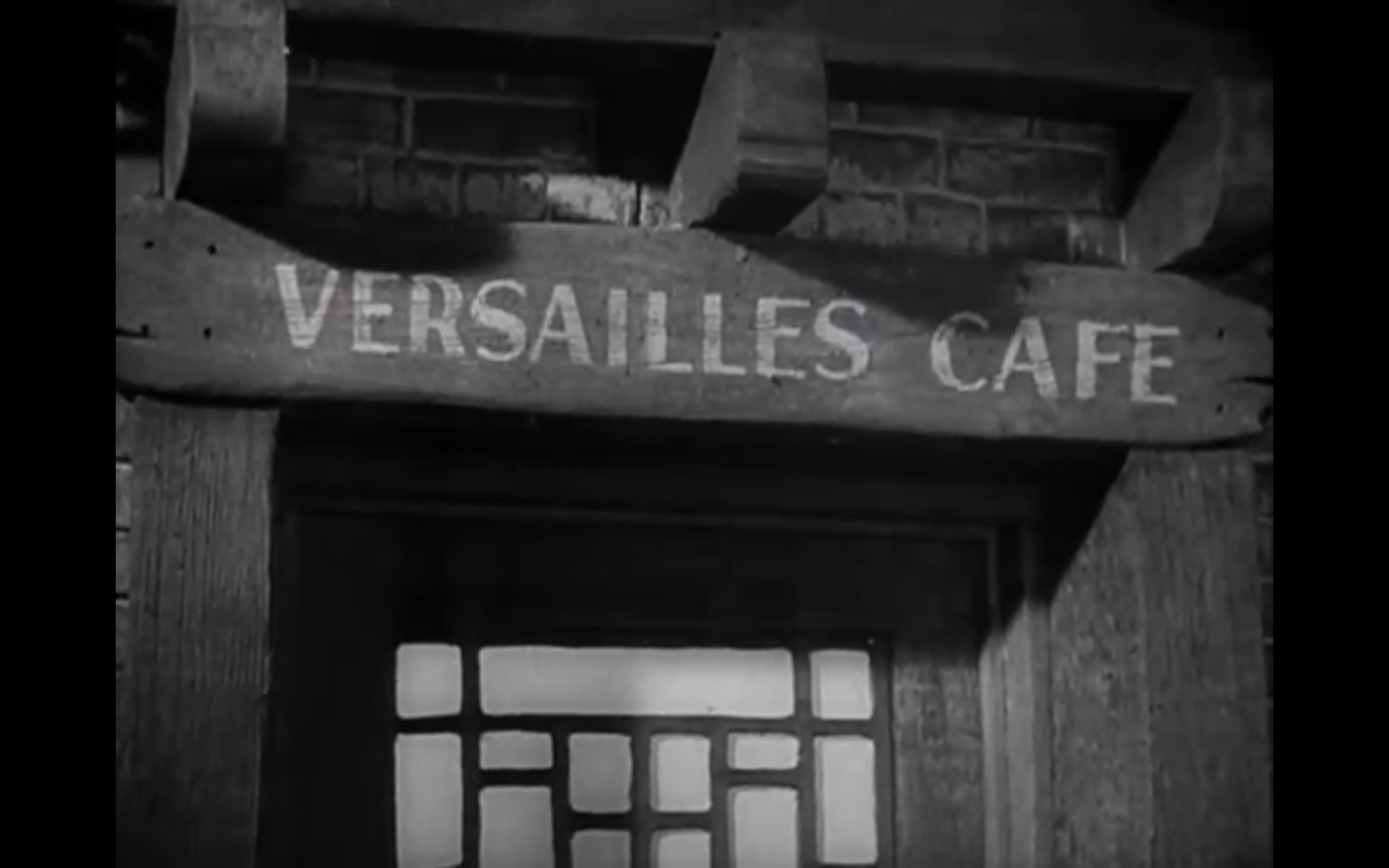
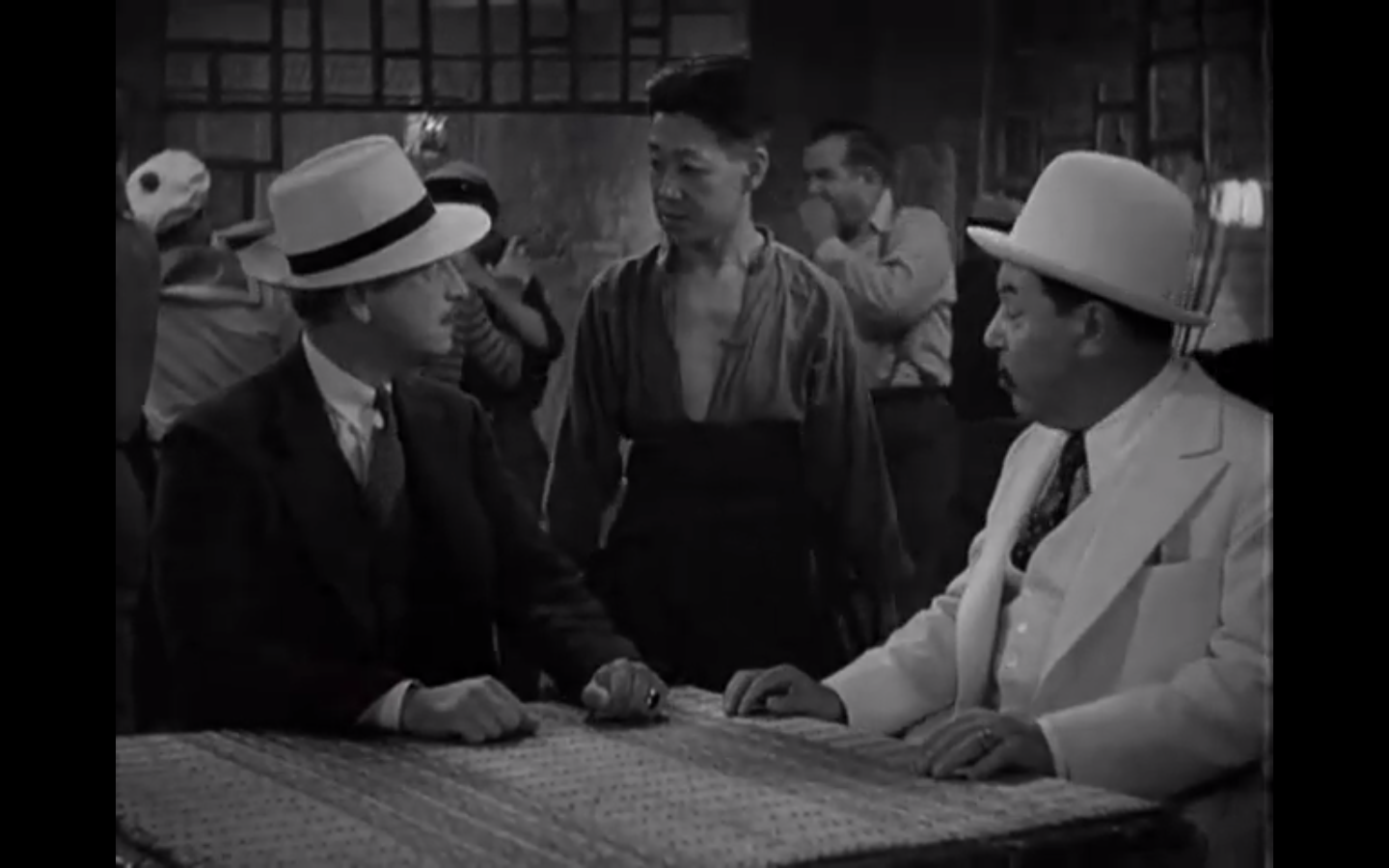
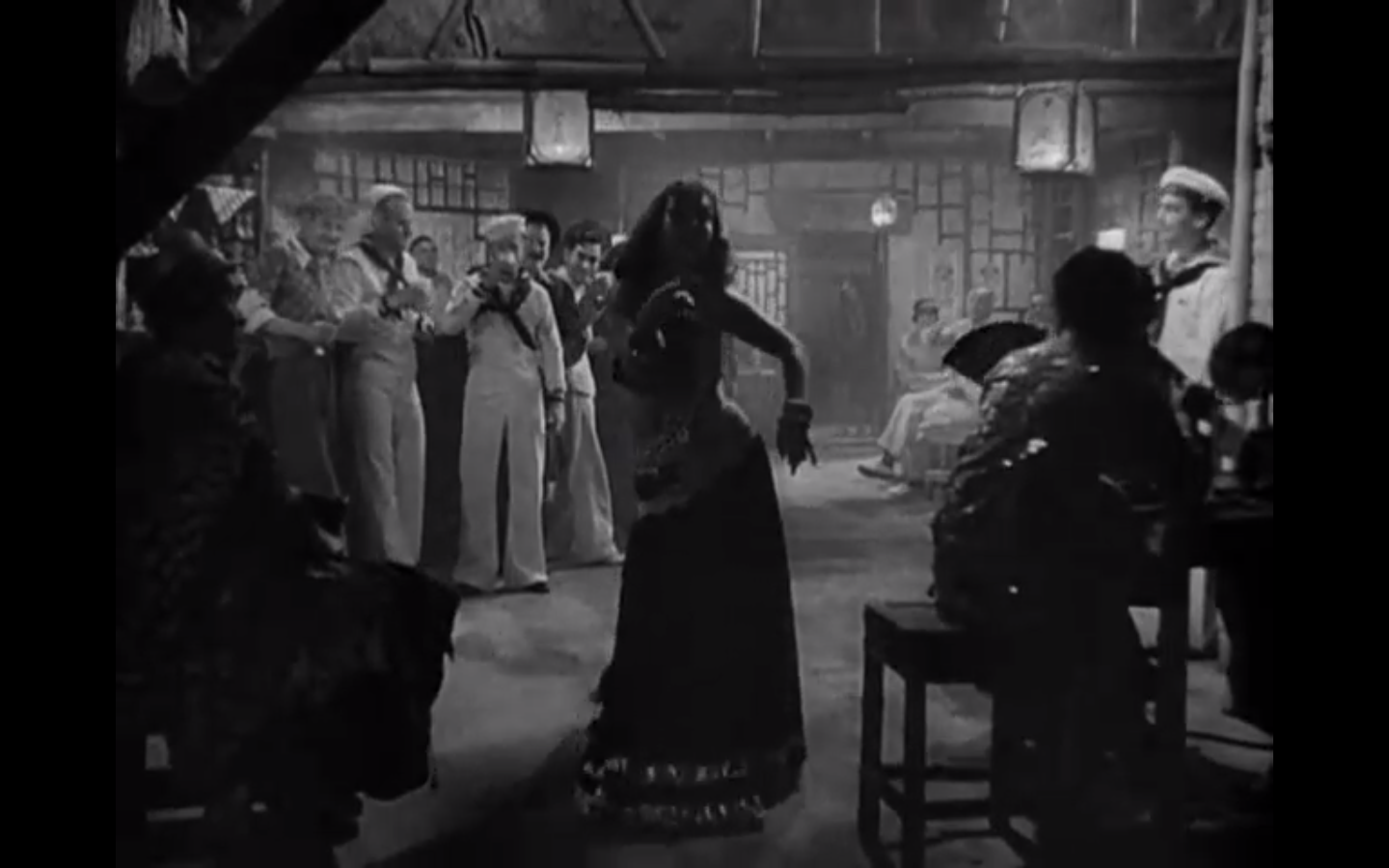
Continuing with the excellent Charlie Chan in Shanghai (1935). I should point out that there is a rather good evocation of a waterfront dive – surely a Hongkew or Yangtszepoo bar – called the Versailles Club with girls, dancers, booze, dumb waiters and a basement where nefarious goings-on go on…Welcome to the Versailles Club…
 Welcome to the Versailles Cafe (where all nations meet obviously…geddit!) down on the Shanghai waterfront
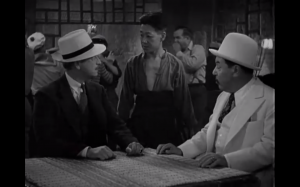 A drink? whisky soda?
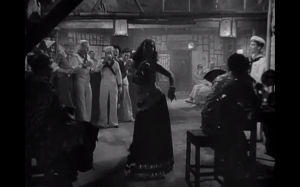 plenty nice dancers with oriental moves to entertain the sailor boys…
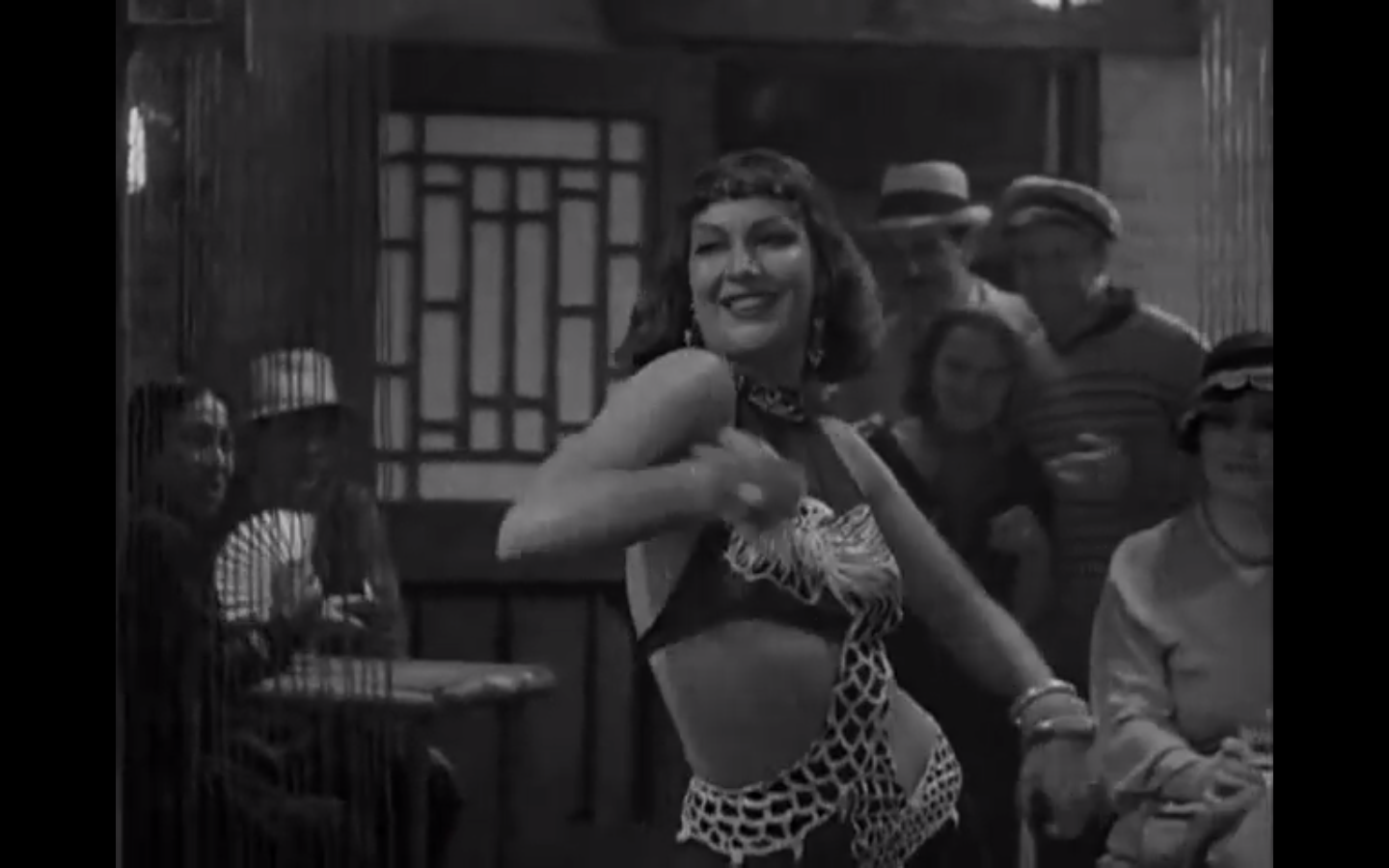
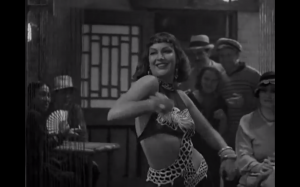 in actual fact this is the actress Joan Woodbury, who appeared in many films including several Charlie Chans and was quite something – her bio is here
Posted: June 6th, 2012 | 1 Comment »
In case you’re at Hay and are bewildered by the masses of events during the festival….I’m on Thursday morning!!
Tobias Jones and Paul French talk to Guto Harri
Event 307 • Thursday 7 June 2012, 10am • Venue: Hay on Earth Stage
True Crime
Blood on the Altar from the author of The Dark Heart of Italy examines the murder of Eliza Claps in Potenza in 1993; Midnight in Peking – The Murder That Haunted the Last Days of Old China investigates the profoundly shocking murder of Pamela Werner in 1937.
It’s only a fiver!! More details here

Posted: June 5th, 2012 | No Comments »
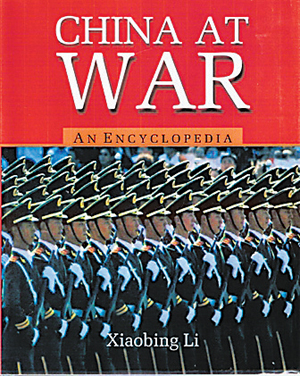
Now I have no idea if this book is any good, just that it’s massive in length and dimensions. I came across this review of China at War: An Encyclopedia by Xiaobing Li at the website of the Indian Tribune (well, the Indians would be rather more concerned than most of us at how good the Chinese are at warring). It seems the book has a go at tackling everything from the Korean War and Taiwan crisis back to the Terracota Warriors. Strangely this review makes no mention of the, aahheemm, 1962 Sino-Indian Border War? the oddly named Pentagon Press of New Delhi appear to be behind it so maybe try and track them down.
Posted: June 5th, 2012 | No Comments »
Came across this poster the other day which I am told is an early example of Japan’s first attempts to rebuild a tourism business after the catastrophe of the war and initial rebuilding…this one published by the Japanese Government Railways

Posted: June 4th, 2012 | No Comments »
OK – let’s see if China Rhyming can get behind a great China history project and raise some money for them.
I’ve known Arthur Jones, who’s making this documentary, in Shanghai for many years and he is kosher. His idea is superb, it’s a great story, they’re almost there and we can get them to the final post and let everyone see this amazing story – details and trailer below. If you can help – China Rhyming will love you forever!!
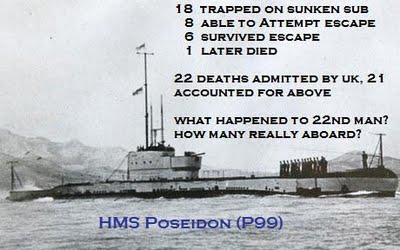
“In 1931, Britain’s most advanced submarine collided with a cargo ship off the coast of China and sank. Three hours later, six sailors surfaced, barely conscious. They were the first men ever to escape from a sunken submarine using a proto-scuba device. Their story hit headlines and went on to inspire a feature film. The miraculous escape changed marine safety forever. But their names, and their submarine, gradually sank into obscurity.
Beijing-based scuba instructor Steven Schwankert was looking for nearby wrecks to dive when he found HMS Poseidon on a list of unexplored sites. His six-year search for the submarine started as a private obsession, but went on to challenge official accounts of the escape, and bring together the lost pieces of a story that touches on the history of Britain and China in the 1930s, the 1970s and the present day.â€
So, where are we up to? Well, it’s finished, as in we have a cut that is now going out to film festivals, and everyone involved is very excited. But we have a problem: in order to play the film publicly, we need to clear the archive footage we have used with the rights holders. The footage is wonderful, and plays a huge role in the film. But unless we pay, we can’t include it.
The trailer is here…
You can donate by clicking here
The Funds
We have calculated that we need about £10,000 pounds (around $15,000) to clear all footage for film festivals. The festival circuit will take up the next year, during which time we plan to promote the film to the hilt and get it broadcast on as many national TV stations as possible. But none of that is possible if we don’t clear the rights for festivals first.
The clips that we need help securing include:
-the only known footage of the submarine itself, shot at its launch in 1930 (in Barrow-in-Furness)
-the feature film “Men Like Theseâ€, shot in late 1931, that celebrates the crew of HMS Poseidon and their remarkable story
-the medal ceremony at which three survivors of the Poseidon accident were publicly awarded
-the return of the heroes – the only known close up footage of the four British survivors of the accident
and much much more. This is film and photographic material that has never been seen publicly before, and plays a huge role in the film. Without it, we cannot do justice to this remarkable story.
Why Crowd Funding?
“The Poseidon Project†is our second feature documentary. Our first, “A Farewell Songâ€, won the Special Jury Prize for Documentary at the 2006 Syracuse International Film Festival. Backing from BritDOC (http://britdoc.org/real_films/britdoc_directory…) made the film possible.
In the years since, we have directed and produced films on the Special Olympics and the World Expo. Both projects were funded by the organisations themselves.
So, why crowd funding for “The Poseidon Project� Well, this is a very special documentary. We began shooting it off our own bat in 2009, when Steven Schwankert contacted us about the story. He was excited about his research and the material he had unearthed. When we heard about it, so were we. But funding for long-term projects like this – especially where the results are still unclear – is very hard to come by. So, what funding we had came out of our own pockets, and covered production costs like filming, and travel that took us up and down the east China coast and back to the UK.
As time went by, and shooting continued, we realised we had stumbled on a story that was not only a compelling re-examination of a moment in history, but also a moving tribute to the families of Poseidon crew, who began to get in touch with us and share their feelings about the accident and its aftermath.
As we started the post-production phase about a year ago (while production was still ongoing), we continued to fund the project ourselves, convinced that the story we were telling was important.
We have covered all post-production costs so far, including editing, animations and music.
But… over the last three years, working on the film, we have discovered remarkable archive material that tells the story of the submarine and its crew in ways that our own material can only hint at. Photographs and film footage are at the heart of our project, and without them, the story is not complete.
So far into the project, we thought that we would turn to the online community to find funds to cover the archive material that we need. The film has received tremendous support online so far including a thriving facebook community (www.facebook.com/groups/353018157504).
This story in the Wall Street Journal also helped:
blogs.wsj.com/chinarealtime/2012/04/19/the-most-important-british-vessel-sunk-off-the-chinese-coast-youve-never-heard-of/
So, here we are. Looking for your help. Please sponsor us with whatever you can afford. We have pushed for so long on our own to get this film finished, that it is humbling to think that without help, we will never be able to show our work!
Please check out the trailer above to see what you will be helping us achieve. (And bear in mind that the black and white footage in the trailer is not cleared and therefore still low quality!)
What happens if we don’t hit the target?
Any and all funds will help us to clear as much footage as possible for the film. We will spend every penny on getting this remarkable material cleared and made public.
What happens if we go beyond the target?
We should be so lucky! If with your support we go beyond $15,000, there’s plenty more to pay for. Here are some of the things that would help us at film festivals:
-professional sound mix
-professional colour grading
-PR and marketing funds to promote the film
Other Ways You Can Help
We are very excited about raising enough money to pay for the archive footage we need to include in the film. But there are other ways you can help.
Please use your social networks to promote the film in any way you see fit.
For more information on the film, check out: www.poseidonprojectfilm.com
Join us on the Facebook page: www.facebook.com/groups/353018157504/
And check out our vimeo profile: www.vimeo.com/aginitfilms
The submarine is listed on wikipedia (and the film gets a mention): http://en.wikipedia.org/wiki/HMS_Poseidon
Just a quick note to funders from outside of the US… payments on Indiegogo are all in US dollars. Don’t worry – pick an amount in any currency and it will automatically be converted into dollars. For your reference, £100 is equivalent to about $150 right now.
Posted: June 4th, 2012 | No Comments »
I’m sure all readers of China Rhyming know the story of Emily Hahn and Charles Boxer and their affair in Hong Kong during the fall of the Colony. I’m equally sure that everyone has an opinion on Miss Hahn – they usually run from the obsessively admiring and ‘she can do no wrong’ to intense dislike. Personally, I veer depending on my mood. The one thing that was probably true about Hahn was that she never boring….
Now a writer called Francesca Brill has reimagined that relationship and the period in Hong Kong in a novel called The Harbour (and thankfully spelt properly too!!)
Blurb, as ever, below and an interview with the author about Hahn etc in Dymocks Hong Kong’s The Booklover newsletter.
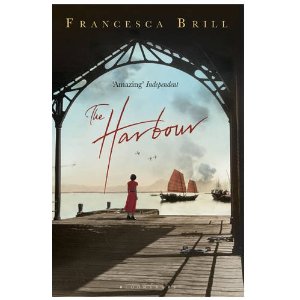
Review
A haunting tale of love’s struggle to survive against all odds. A bold and beautifully written debut Mark Mills, author of The Savage Garden Gripping and moving … Francesca Brill is a very good writer indeed and I was sucked into the story until I was no longer aware of things going on around me, only of what was going on to the characters I had grown to love, and an era I knew very little about but which was instantly fascinating. High quality story-telling Simon Sebag Montefiore A fiercely imagined and deeply felt story of complicated wartime love. I could see every scene Rosie Alison, author of The Very Thought of You
Product Description
It is the summer of 1940, and for Stevie Steiber, a young American journalist in Hong Kong, the war raging in Europe is a world away. While longing to be taken seriously as a writer, she keeps her readers informed about society gossip from the Orient, her days at the Happy Valley race-course slipping into dangerous, hedonistic nights. Major Harry Field has been charged by Her Majesty’s Government with investigating suspicious activity inside the colony. He is intrigued by the recent arrival of Jishang, a sophisticated Chinese publisher who owns a controversial political magazine. But it is Stevie, Jishang’s outspoken, beautiful correspondent who really fascinates him. As the decadent British contingent remain oblivious to the cataclysm nearly upon them, the spy and the journalist are obsessively drawn to one another. And when the Japanese army seizes the island, they are faced with terrifying challenges. What will they sacrifice to stay alive, and how far will they go to protect each other? The Harbour is a stunning and utterly compelling debut about war, love and betrayal.
Posted: June 3rd, 2012 | No Comments »

Following on from the last post on Charlie Chan in Shanghai (1935) and the shot of Shanghai’s landing stage here’s another shot that is a recreation but interesting. At one point Charlie needs to call someone in the Shanghai Municipal Police and is put through to their switchboard. Now, I have no idea what the switchboard of the SMP looked like but this is a nice idea of what it might have been…

Posted: June 2nd, 2012 | No Comments »
JONATHAN FENBY
on
Tiger Head, Snake Tails: China Today, How it Got There and Where it is Heading
Tuesday 5th June 2012 at 6.30pm
LE SUN CHINE 绅公馆
No. 6, Lane 1220 Huashan Road
上海市长å®åŒºåŽå±±è·¯1220弄6å·

Although Jonathan Fenby does not define himself as a Sinologist, the depth and breadth of his knowledge place him among the best-informed and most interesting writers discussing China today. From his insightful Penguin History of Modern China: The Fall and Rise of a Great Power, 1850-2009, to his comprehensive biography of Chiang Kai-Shek and his latest book Tiger Head, Snake Tails, Fenby has consistently mined the fertile seam of Chinese history, culture and current affairs to craft an opus of perceptive and intelligent books.
With Tiger Head, Snake Tails, Fenby has created the book that every China-watcher dreams of writing. Coming at a time when the Middle Kingdom is at the forefront of world attention for its relentless development and economic clout, the book navigates the physical and metaphysical landscape of modern China, explaining how it got to where it is today in context of its unique and often difficult history. As Julia Lovell wrote in a recent review of the book in The Guardian, Tiger Head, Snake Tails is “a handbook on the confusing state of contemporary China – covering the economic, political, social and historical essentials of the story.â€
China is a nation of superlatives: the biggest, the most, the fastest, the best, the worst. As Fenby writes, “There is not one China but a hundred, a thousand or a million.” So how do we understand a nation of such astonishing breadth, scale and momentum? The book’s title holds clues to the main force behind Fenby’s view of the nation. The phrase 虎头蛇尾 (hÅ tóu shé wÄ•i) invokes the image of a strong, powerful tiger at the helm, and a wake of sly snakes bringing up the rear. With this metaphor, Fenby implies that while China is leading in terms of its economic thrust, it drags a complex and uncontrollable nest of vipers in its wake in the form of corruption, scandal, inequality and environmental degradation. While monetary success may overshadow corruption and incompetence at present, the future is uncertain if the “snake tails†remain unchecked.
Mixing hard facts with intriguing and irresistible vignettes about the state of the nation – such as the railway minister with 18 mistresses, the local government in which female civil servants had to have “symmetrical breasts†– Fenby has crafted an eminently readable work.
The body of the book covers the expansion of the transport network and infrastructure that has led to the logistical unification of China, and the growth of cities that has spurred vast economic growth. Fenby discusses poor working conditions, the conflict between the centre and the provinces, scandal and corruption, and unrest between the Han majority and the autonomous ethnic groups. He looks to Hong Kong and Taiwan to provide alternative paradigms as to how China might have been under different politics systems, and postulates how China will progress. His decision not to touch on the potentially intriguing issue of culture and soft power is regrettable, but understandable given the scope of possible subject matter at hand.
In a review of the book for the Financial Times, former Hong Kong Governor Chris Patten writes that “both Sino-enthusiasts and Sino-doom-mongers will find much in this book to confirm their prejudicesâ€, a parallel that surely speaks of Fenby’s success in offering a balanced view. The book is, according to Julia Lovell, “…a one-stop guide to political and economic realities in China today, Tiger Head, Snake Tails is fast-moving, informed and illuminating.â€
In his biography of Chiang Kai-Shek, Fenby exercises similar restraint, choosing to focus on the Generalissimo’s thorny relationship with US general Joseph Stilwell (whom Roosevelt had assigned to support China’s Nationalist government, which had retreated from the Japanese to the far west of China), the unpalatable details of his dealings with the women in his life, and the thorny political landscape of China in the early 20th century. Covering the loss of Shanghai, Nanjing and Wuhan, Song Meiling’s triumphal tour of the US, the loss of the Civil War and the retreat to Taiwan, the book does little to resuscitate Chiang’s reputation among China’s leading political luminaries. However, it presents a graphic and honest picture of the man who
While Tiger Head, Snake Tails presents a wide view of modern China in context of its history, Generalissimo is a crystallization, charting a period when the nation was in flux. Read side by side, the two works present a simultaneous microcosm and macrocosm from which we can learn much. In the words of British commentator Will Hutton in a recent review in the Observer, it is “timely and brilliant [with] superb analysisâ€.
About the Author
Jonathan Fenby, CBE, is the author of many books including a biography of Chiang Kai-Shek and The Penguin History of Modern China: The Fall and Rise of a Great Power, 1850-2009. He speaks at conferences, universities and public forums on China, and has written widely about the nation’s history and politics.
As a journalist, Fenby was editor of The Observer newspaper from 1993 to 1995, then editor of the South China Morning Post between 1995 and 2000, spanning the return of Hong Kong to Chinese sovereignty. His previous positions included Deputy Editor of The Guardian, Home Editor of The Independent, and Editor of Reuters World Service. He was chief correspondent for The Economist in France and Germany from 1981 to 1986.
Fenby published ten books between 1998 and 2008 – five on China and rest on the Second World War and France. He contributes to a wide range of publications in the UK, US and Far East, and is currently Director of China Research at the research service Trusted Sources.
Entrance: RMB 80 (RAS members) and RMB 130 (non-members). Ticket price includes a drink (soft, tea, coffee or glass of wine). Those unable to make the donation but wishing to attend may contact us for part exemption prior to the RAS Lecture. Membership applications and membership renewals will be available at this event.
RSVP: to RAS Bookings at: bookings@royalasiaticsociety.org.cn
N.B. Reservations are essential for this event as places are limited. RAS members have priority until Friday 1st June, 2012.
BOOK AVAILABILITY
Copies of Fenby’s latest book, Tiger Head, Snake Tails: China Today, How it Got There and Where it is Heading will be available at the event. In order to ensure that everyone who wants to buy the book is covered in our pre-order numbers, please let us know in advance if you would like to purchase it at the price of RMB 190.
 Welcome to the Versailles Cafe (where all nations meet obviously…geddit!) down on the Shanghai waterfront
 A drink? whisky soda?
 plenty nice dancers with oriental moves to entertain the sailor boys…
 in actual fact this is the actress Joan Woodbury, who appeared in many films including several Charlie Chans and was quite something – her bio is here