Fan Wu’s Souls Left Behind: A WW1 Chinese Labour Corps Novel (ACA Books)…
I’m no longer Zhang Delun. I am 58909. We were the Chinese Labour Corps, all 140,000 of us. Sailing eastwards in the final years of the Great War, youth bound to toil behind the trenches of France. Too many of us will never see home again.
Anne Zhang’s father is missing, the feast for his 85th birthday is going cold.
Pride, desperation or hope? Meaningless amid the horror. Somehow I survived, and with Marguerite’s help found roots in this foreign land.
Never one to share a burden, the years since mother’s passing have only claimed the few who remember a painful past.
The battlefields have long since scabbed over with cornflowers. My comrades stare back at me as gravestones. I tend to them, lest they be reduced to forgotten characters of a language that no local understands.
No one told Anne of their stories, nor does she have time to listen. When I’m gone, who will speak for us?
We got Her Lotus Year launched a wee bit early this week….
And it’s always an amazing pleasure to do events (here at gorgeous Hatchards on Piccadilly) with the brilliant Frances Wood, former Keeper of the Chinese Collection at the British Library and a prolific author on China including study of the Diamond Sutra, a history of the treaty ports, and her own incredible memoir Hand Grenade Practice in Peking…
In 2010, Kim Liao traveled to Taiwan to reconstruct the lost story of her grandparents. But upon arrival, she found that four decades of Taiwanese history had been silenced by Chiang Kai-Shek’s KMT Government during the White Terror period. As leader of the first Taiwanese Independence Movement after WWII, in 1947, her grandfather Thomas Liao became a fugitive: his family’s land was seized, his relatives were arrested, and his nephew was sentenced to death.
With their lives under threat, Thomas’s wife Anna decided to abandon their marriage and take her children to America to start a new life. She never spoke of Thomas again. For the rest of her life, Grandma Anna presided over a hushed silence about the past. No one spoke about Taiwan, and her youngest son Richard told anyone who asked that his father was dead, and never told his daughter Kim about her family’s story, since he himself didn’t know any of the details.
Six decades later, Kim arrived in Taiwan to search for the truth, and was shocked to learn that the KMT government had erased the story of independence from the official historical record—even in a now democratic society. Young Taiwanese citizens who grew up in the latter half of the twentieth century were kept in the dark about their nation’s own violent history. The silenced voices of Taiwanese history mirrored the silencing of my family’s story, making her that much more determined to share it with the world.
Despite this suppression, the history of the Taiwanese Independence Movement was kept alive in the memories and personal archives of former independence leaders. Once Kim gained entry into this network, she discovered how the Liao family played a pivotal role in achieving democratic
On Wednesday, November 6th, join me and the legendary Frances Wood in conversation at the beautiful Hatchards bookshop on Piccadilly. We’ll be talking about my new book Her Lotus Year: China, The Roaring Twenties and the Making of Wallis Simpson (Elliot & Thompson). It should be a fun and revealing evening. For more info click here
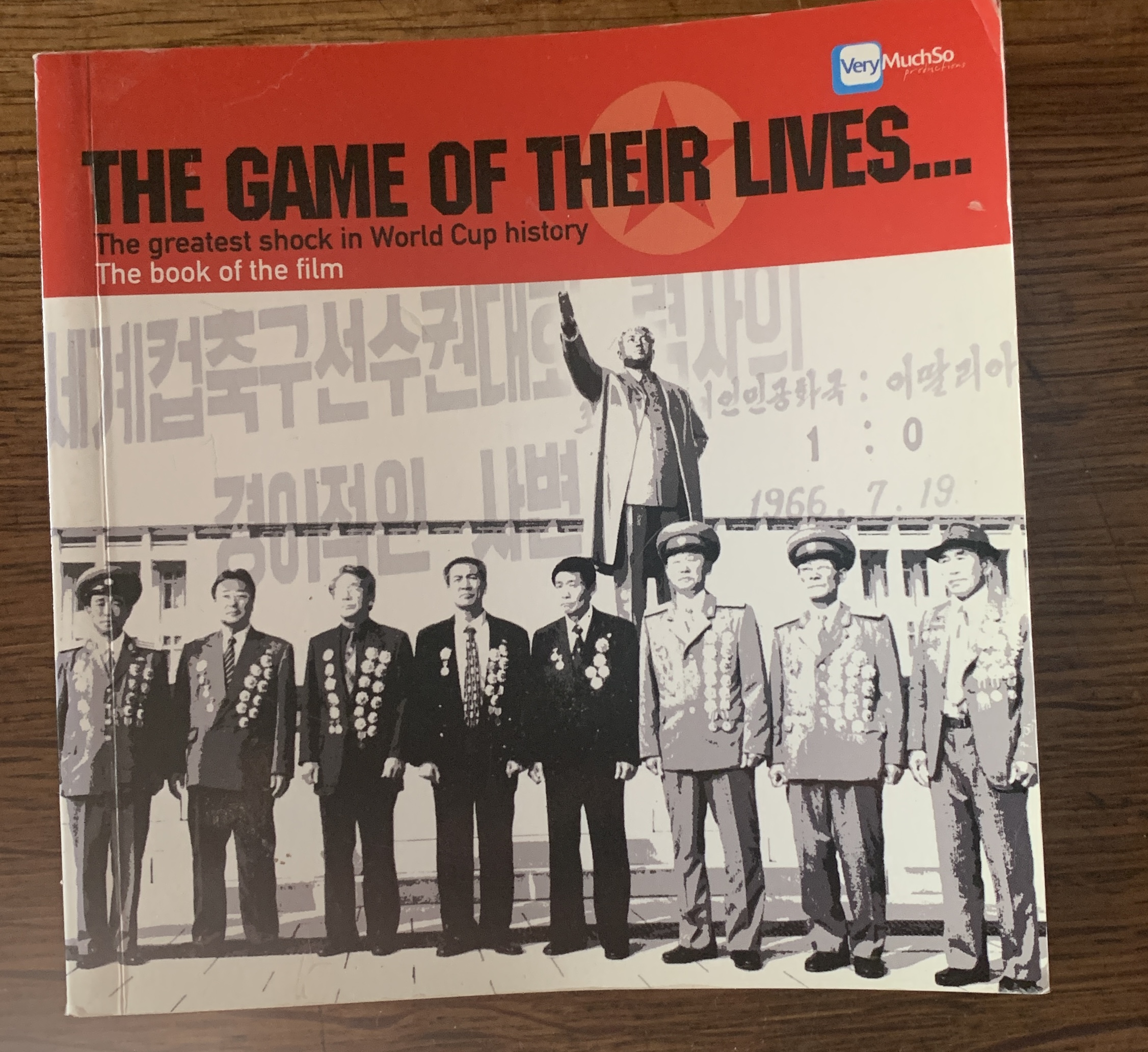
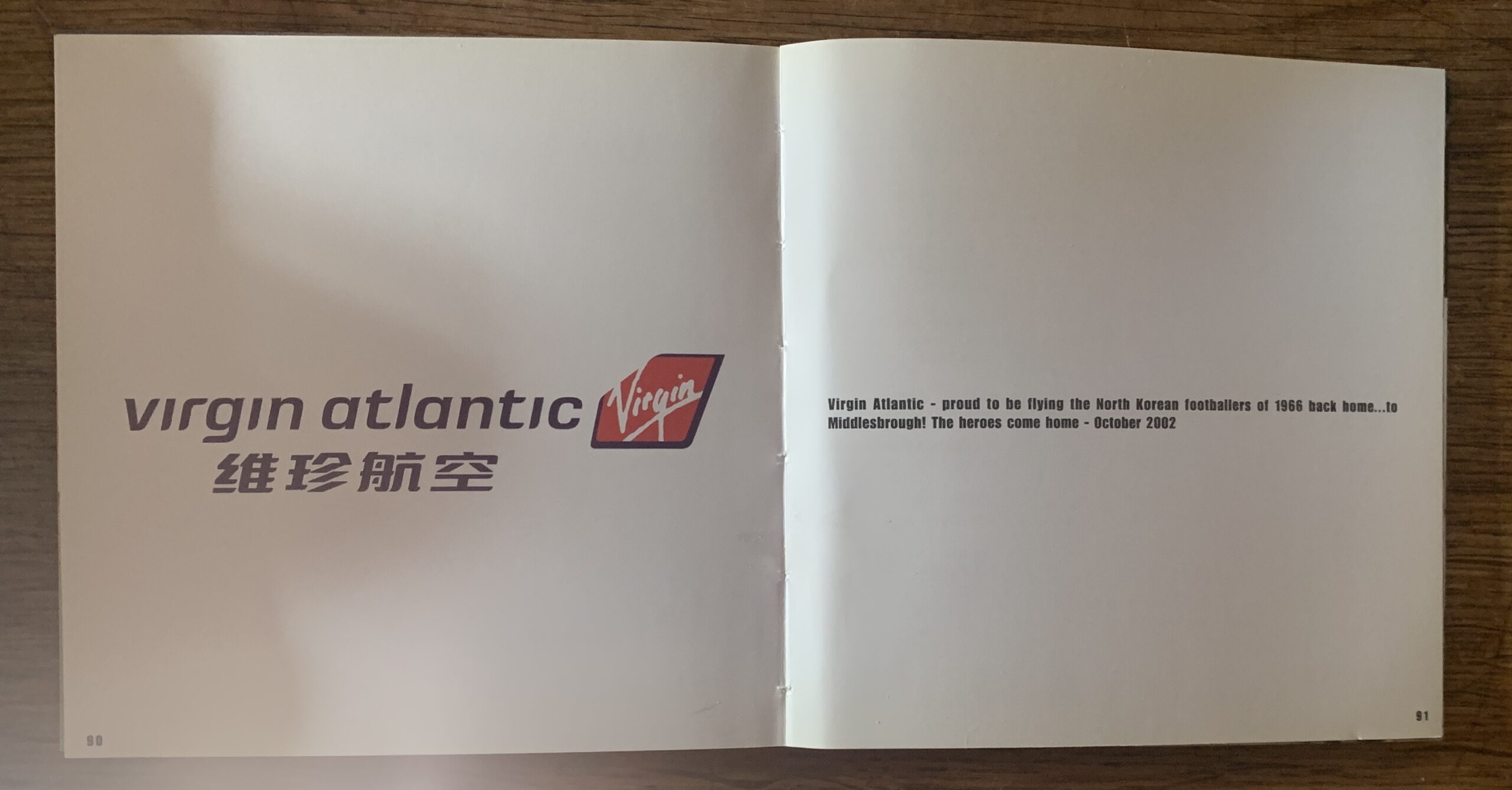
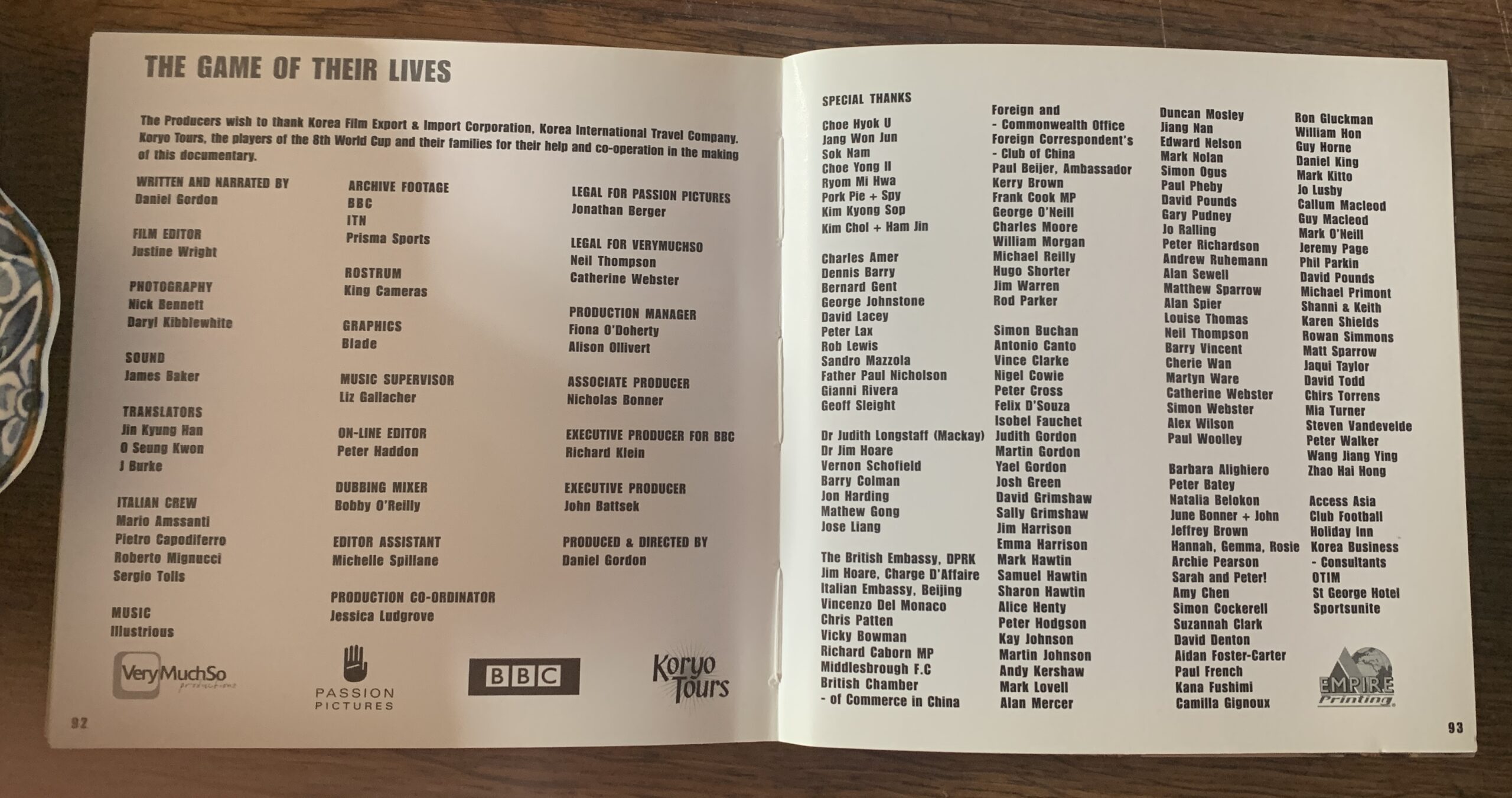
As Virgin Atlantic end their route to Shanghai it’s time to remember when, in 2002, they excellently sponsored the return to England of the surviving members of the famous North Korean football team of the 1966 World Cup. All this palaver followed on from Dan Gordon & Nick Bonner documentary The Game of Their Lives. A memorable night was had in Shanghai to see the team off to Heathrow on Virgin. A commemorative book was produced (below), Virgin much thanked, Kevinbarry Colman baked a cake (& i bet he’s got a photo of it), and all these folk were involved to…..
Chatting with Brent Crane of The Wire China about Wallis Simpson in China, Chinese history, the little nuggets we forget (Mao’s support for Hunanese independence etc) and the state of the China books market in these Xi-dominated, J-visa lite, shouty bloviator times…and there’s a cartoon of me (shaving off a decade and doing wonders for my jawline)… click here
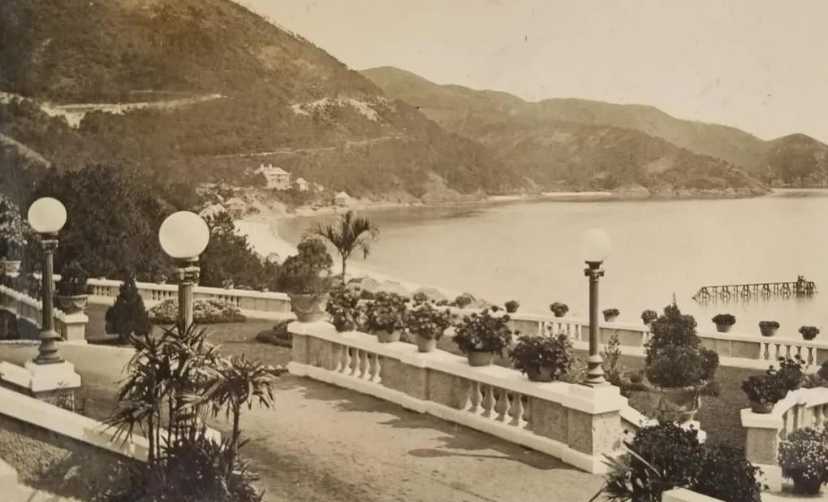
In late September 1924 Wallis arrived in Hong Kong to try & reconcile with her husband, naval commander Win Spencer. They immediately went to the Repulse Bay Hotel on the south side of Hong Kong Island, then perhaps the most romantic hotel in Asia…(it didn’t ultimately save the marriage, but Wallis loved the views)….
Preorder USA – https://read.macmillan.com/lp/her-lotus-year-9781250287472/
Preorder – UK – https://eandtbooks.com/books/her-lotus-year/
Preorder HK – https://bookazine.com.hk/products/her-lotus-year#:~:text=In%20her%20memoirs%2C%20Wallis%20described,to%20appreciate%20traditional%20Chinese%20aesthetics.