There’s one fascinating phenomenon to the rise of Trump and his own-brand of American fascism which intersected last week with Starmer’s visit to China and the public interest in the images on TV of the PM in Beijing and Shanghai. Namely, the way in which so many British kids have totally switched off from American “culture” and pivoted towards East Asia.
As twentieth century UK kids we were saturated in US culture – films, TV, music. No choice pre-internet, pre-streaming when the BBC and ITV bought in US TV shows and films to fill airtime. We often knew that with a few exceptions it was crass, vulgar and rubbish, but couldn’t avoid it until we were old enough to seek out the better video/DVD stores and indie cinemas. But not now – the media world is your oyster.
I see UK kids currently fascinated by all things K-pop and Hallyu, they’re wanting to visit Japan and Korea, they’re trading Labubus, they love Crunchyroll, Pop Mart and Mini So. Friday night dinner? – they want sushi, ramen and bibimbap. Of course some families can facilitate these interests more than others – and yes, this week I will sit in Cineworld Eastbourne watching the Stray Kids DominATE tour movie surrounded by happy kids and also a lot of bemused parents and grandparents (it’s rated a 12A).
And hopefully all this will grow into a deeper love of Asian art and culture spurred by reading manga and manhwa as well as watching anime and playing Asian-themed video games. Many kids are progressing to wanting to see exhibitions like the new “Samurai” at the British Museum that offers them a more scholarly look at the images they adore but with references to popular culture too. Anyone who went to the Kawaii exhibition at London’s Somerset House a while back will have seen how kids took eagerly to the galleries. Of course we can only hope a desire for language learning will also follow.
UK kids naturally have their own stuff from TV shows to Jelly Cat, footie teams to bands, and some American stuff seems to resonate – Stranger Things especially. But to many kids the US is now largely culturally and creatively irrelevant, and, to many, it is an increasingly scary, shouty and frightening place on the nightly news. They don’t like it, they don’t want it, they’re turning away from it.
The amazing creatives of East Asia dreamt up these worlds of kawaii to healing literature, Labubu to Skull Panda, TV soaps to crazy good movies for us all to access. Meanwhile Trump has sealed the fate of US cultural and soft power for a few generations at least. The shift has happened.
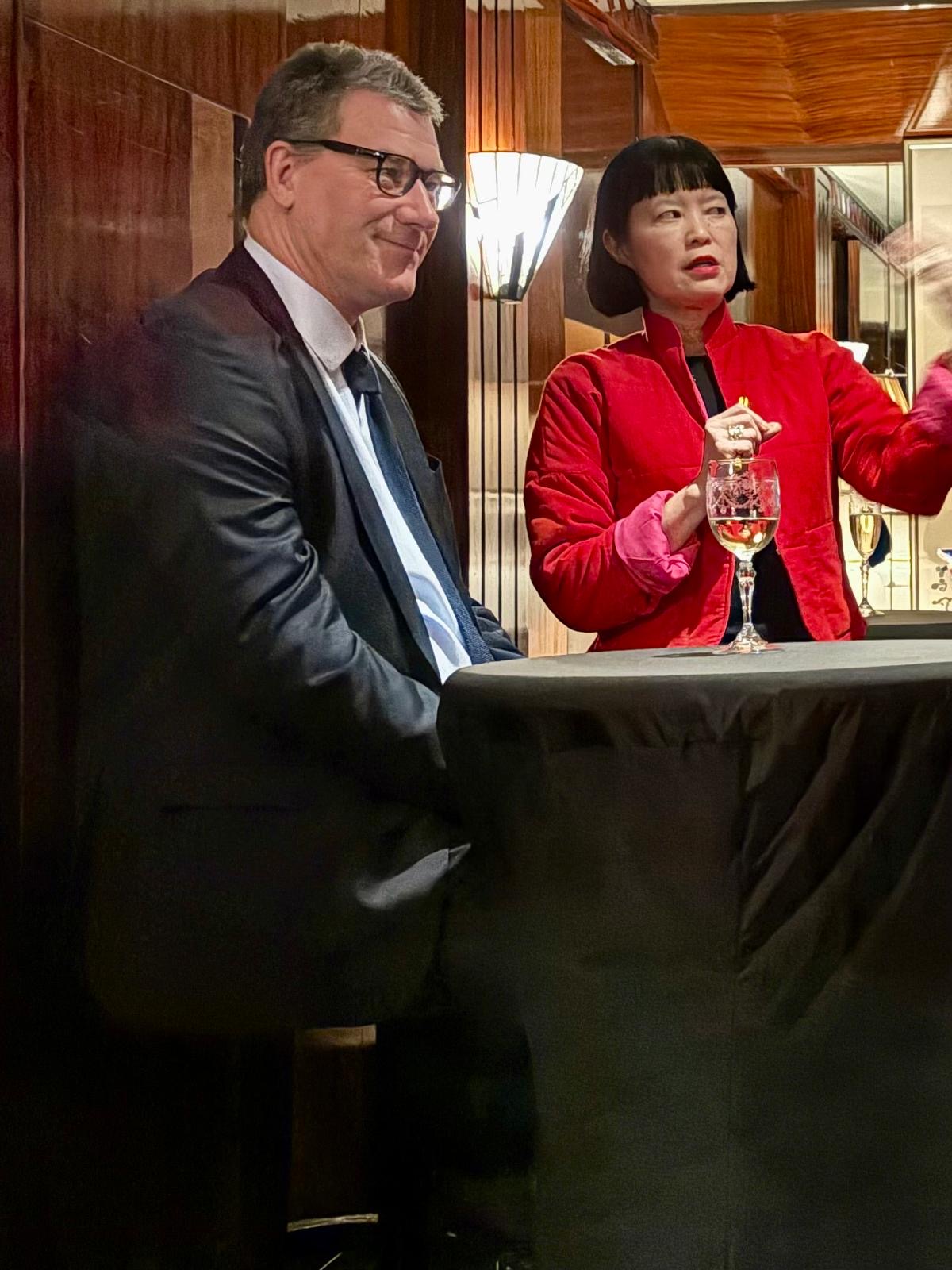
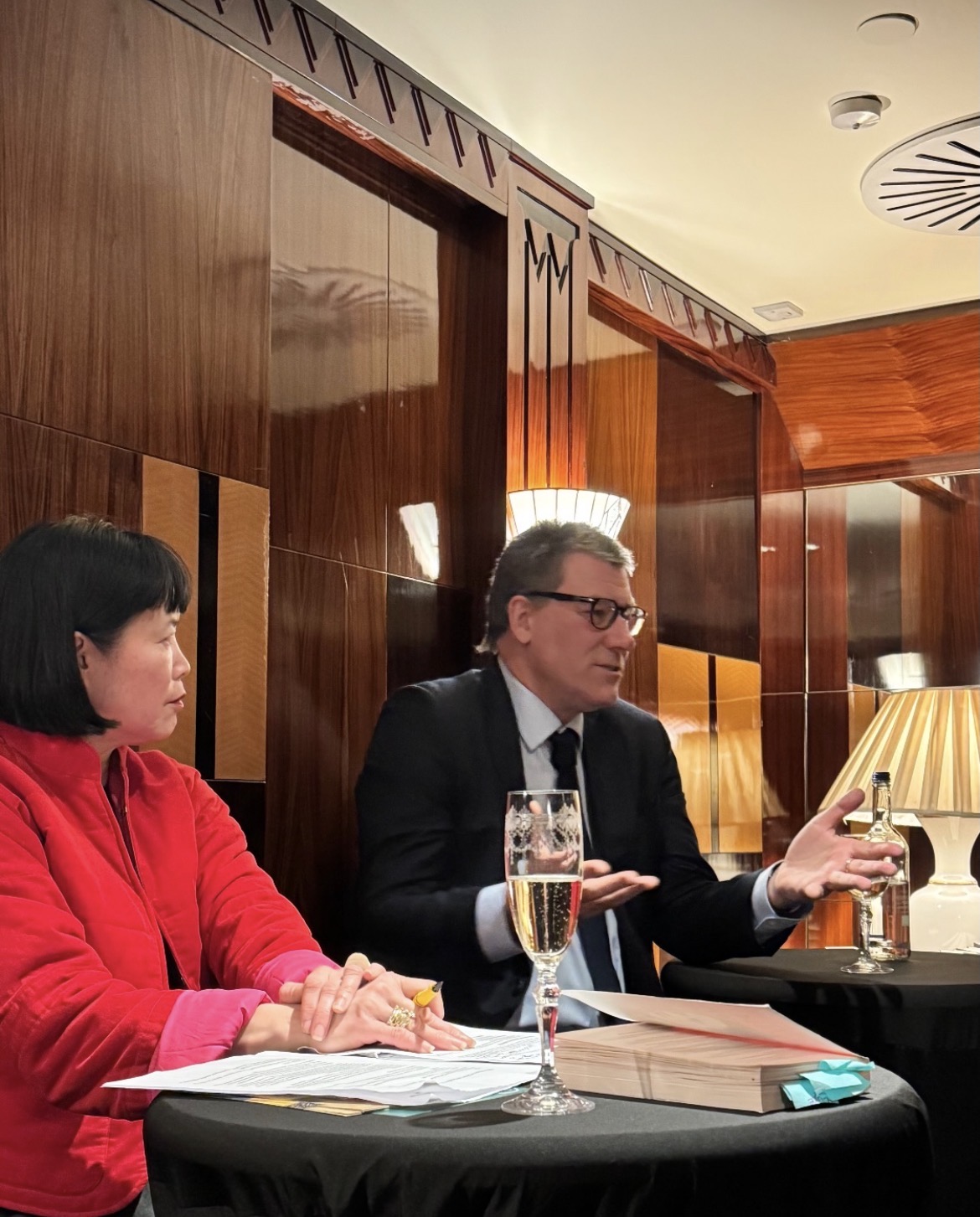
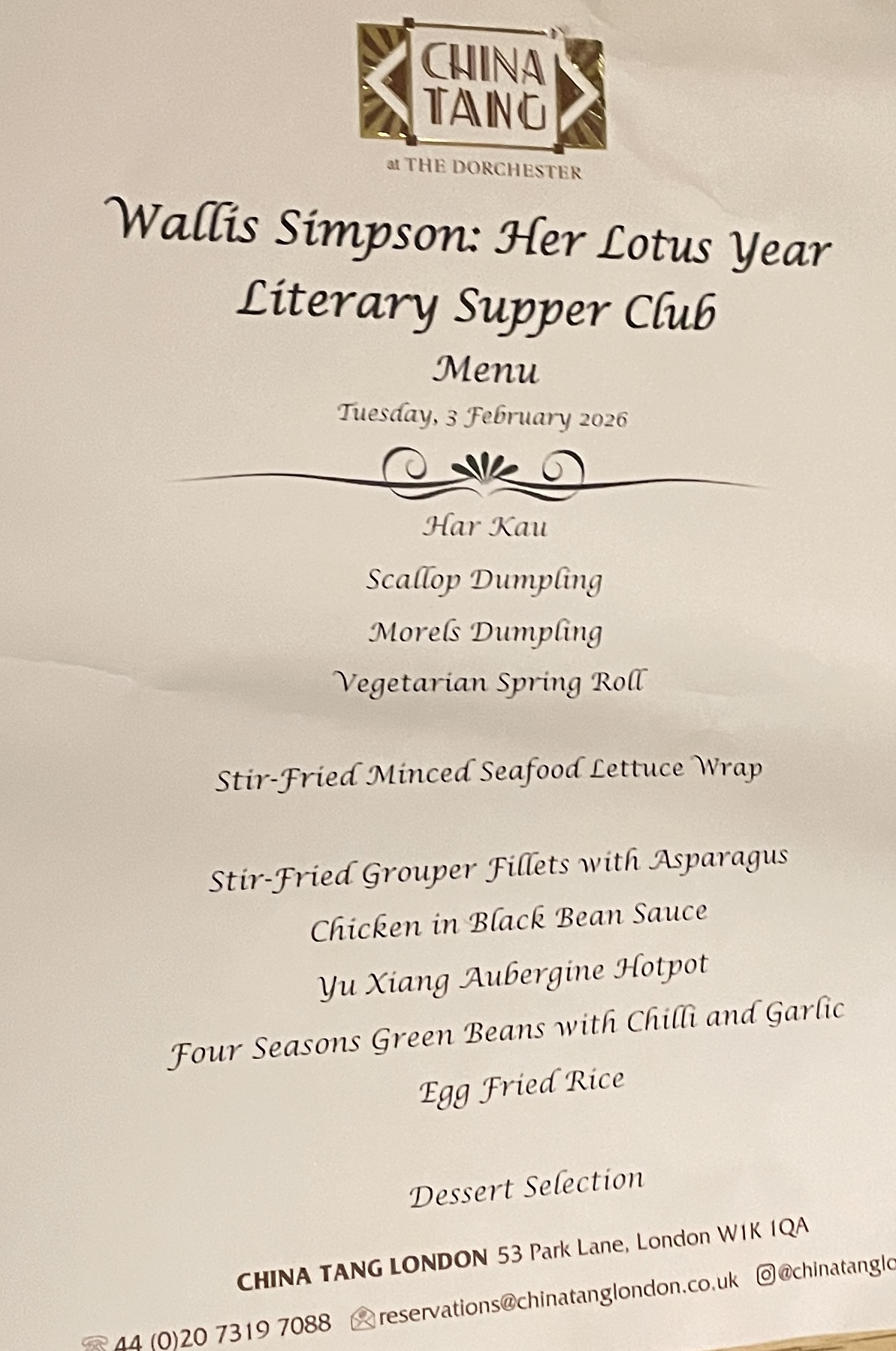
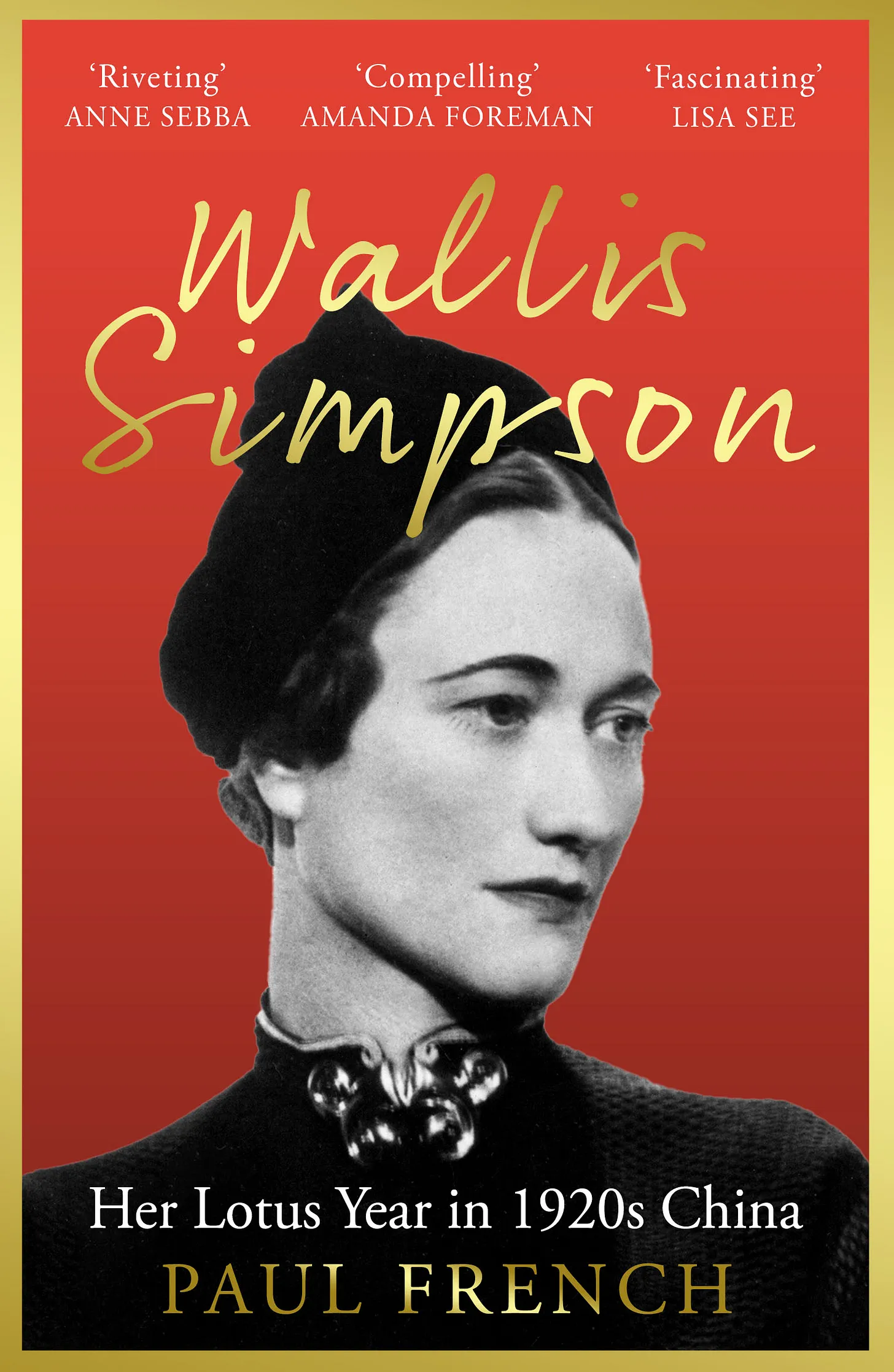
Retelling Wallis Simpson’s adventures in 1920s China with EA Festival’s Joanne Ooi at China Tang at The Dorchester (who are hosting a literary supper club series in partnership with EA Festivals to celebrate their twentieth anniversary)….
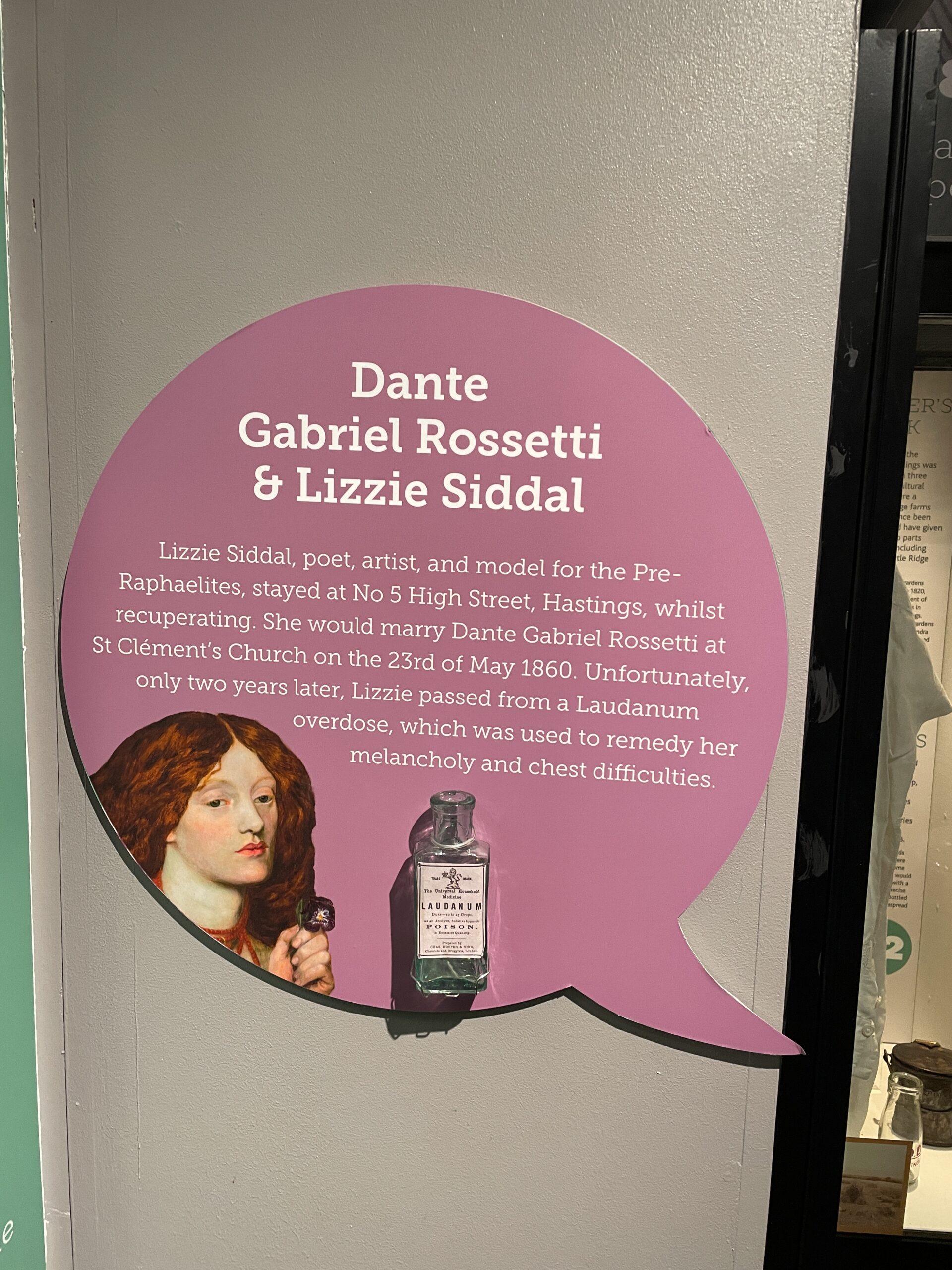
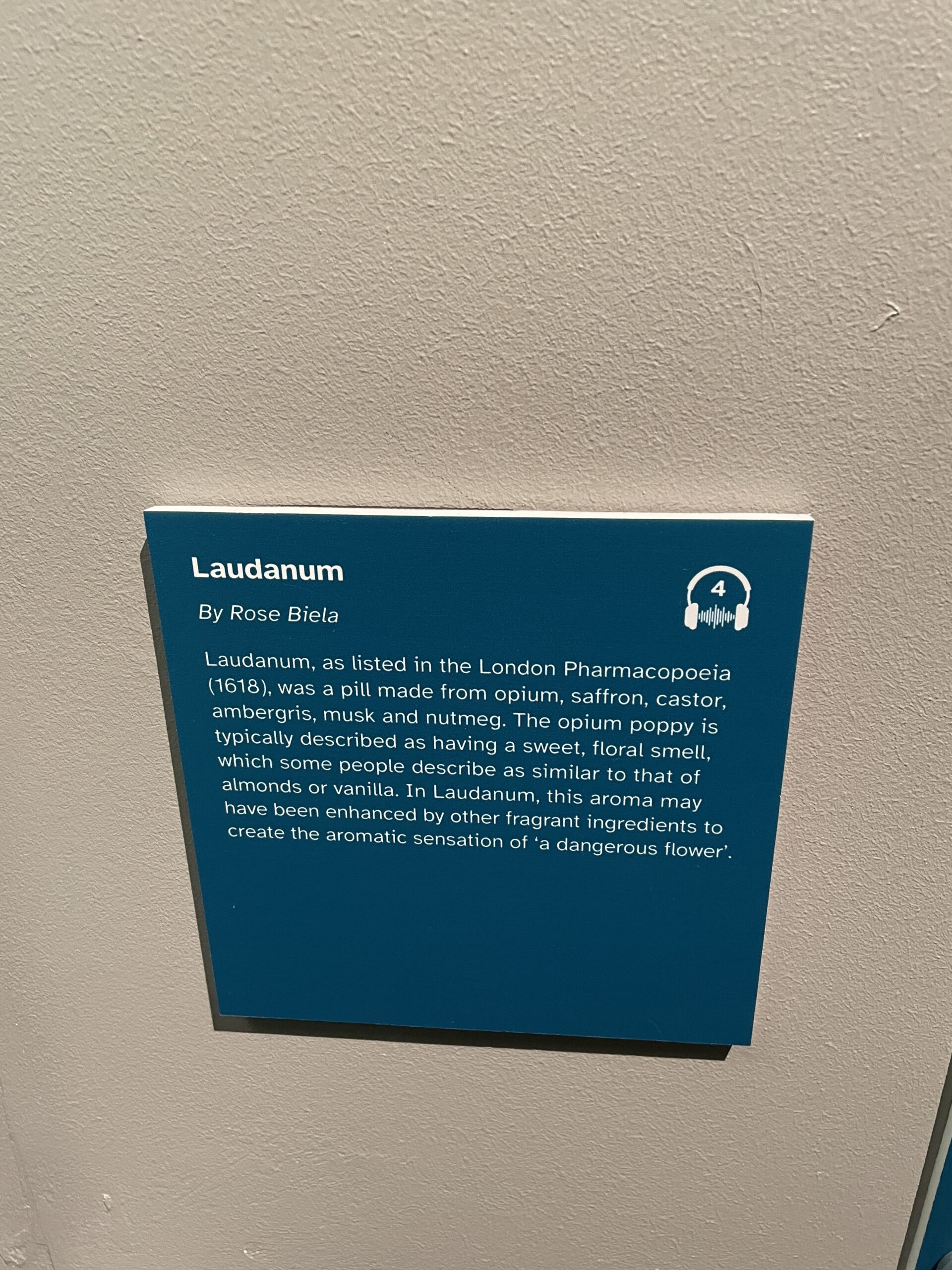
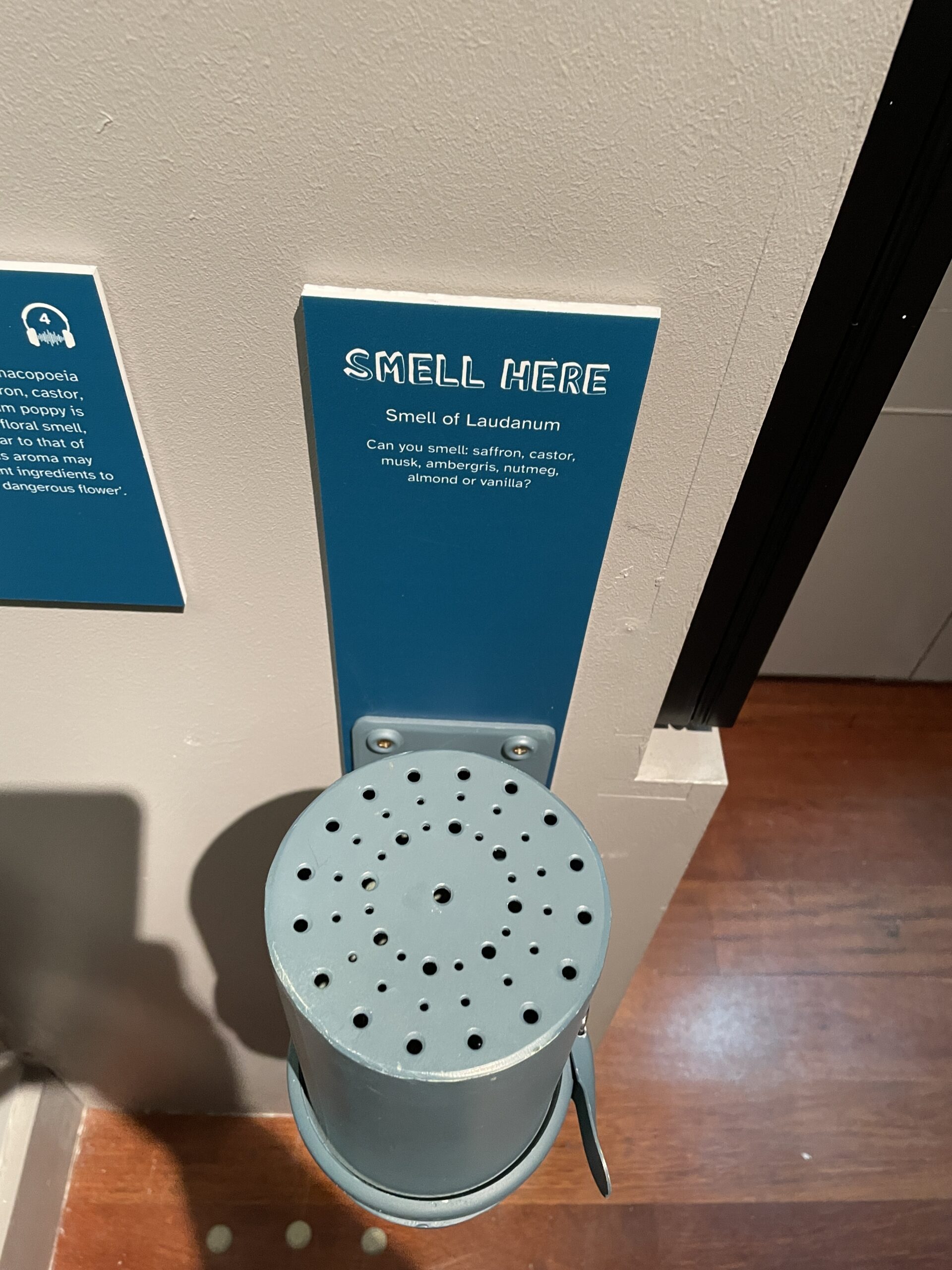
A little opium tale from Hastings Old Town. In the mid-19th century, the artists Dante Gabriel Rossetti and Elizabeth Siddal stayed at #5 High Street in Hastings. At that time, laudanum was a widely and freely available in the UK “cure-all” for various ailments, including pain and distress, and could be purchased easily from local shops. Siddal became seriously reliant on it, ultimately dying of an overdose in 1862…. The Hastings Museum has a little exhibition on it…including a little whiff of the stuff…
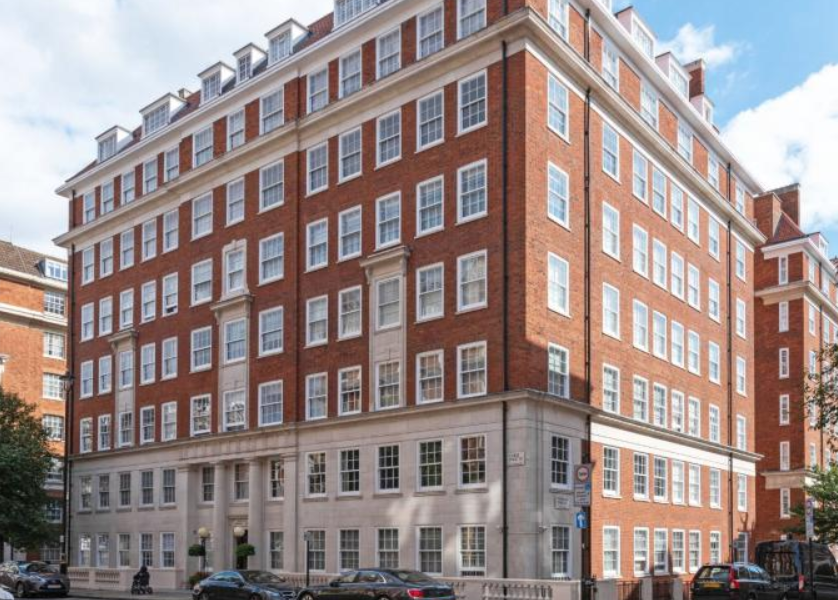
Sometimes interests overlap. My VoiceMap GPS audio walk “Marylebone’s Garden Squares: From Village Green to Georgian Grandeur” passes by one of the West End’s best and most prestigious “mansion blocks”, Bryanston Court….
Which just happens to have once been home to Wallis Simpson about a decade after her infamous year in China – the subject of my book Her Lotus Year… And the scent of scandal lingers as there’s no Blue Plaque for Wallis!!!!
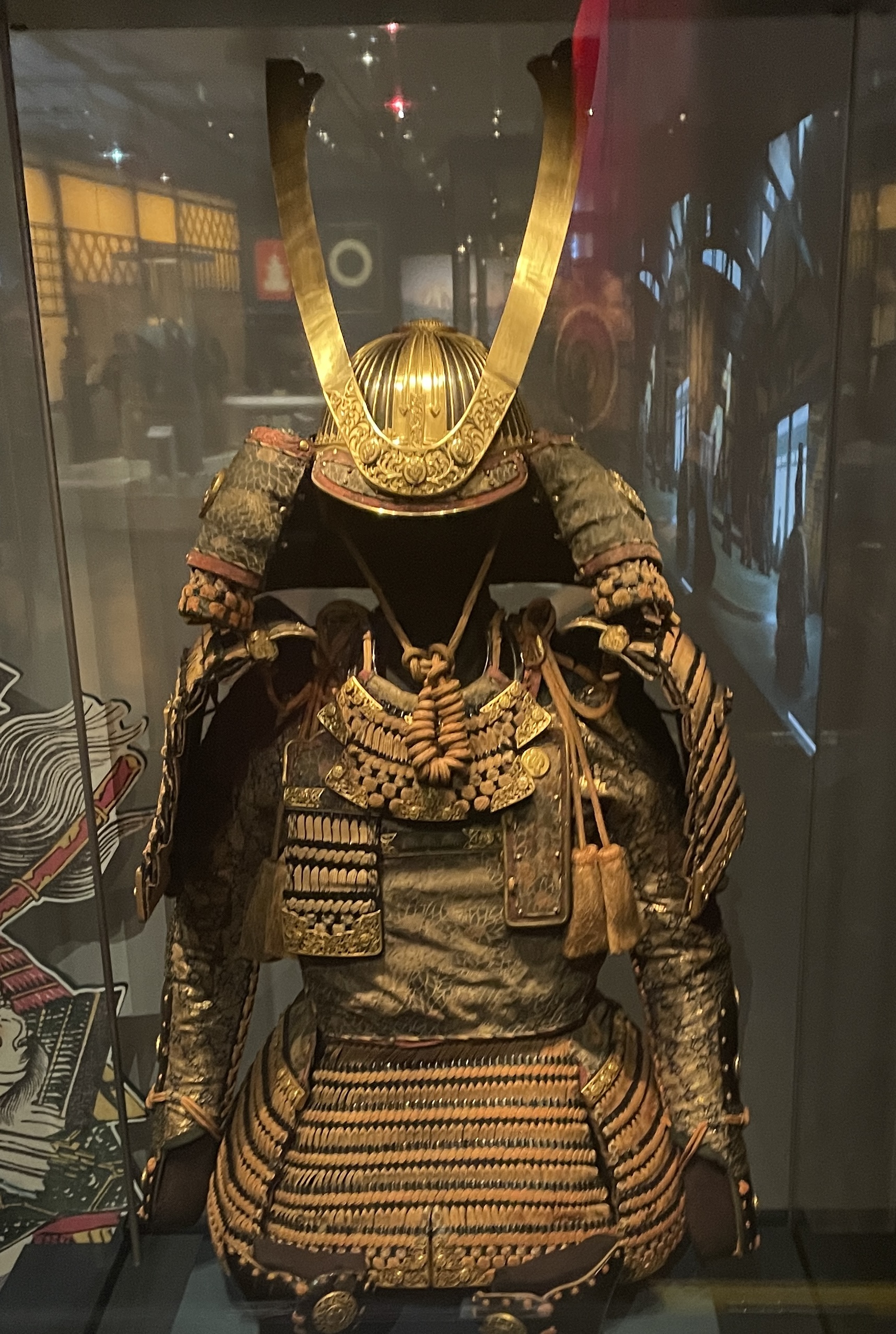
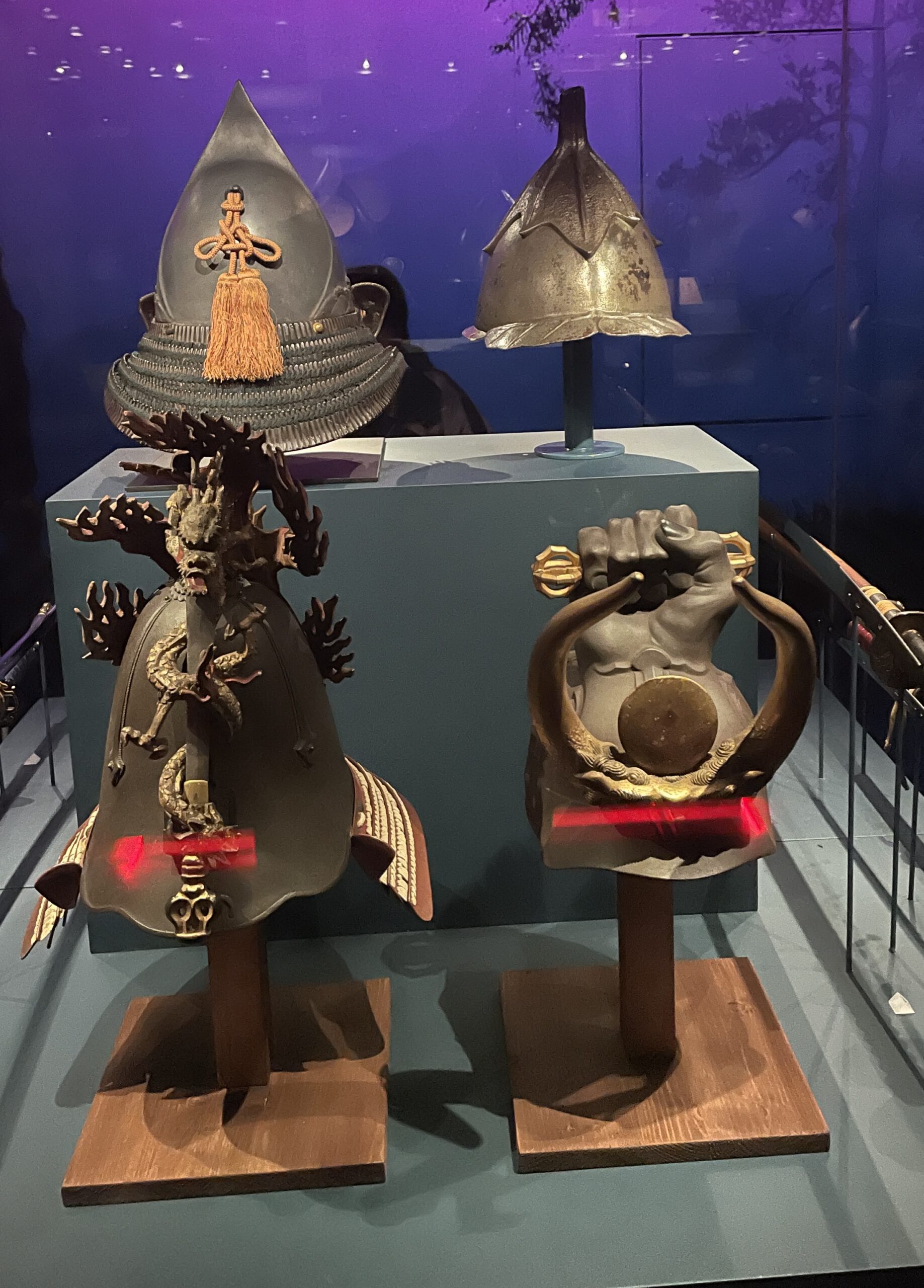
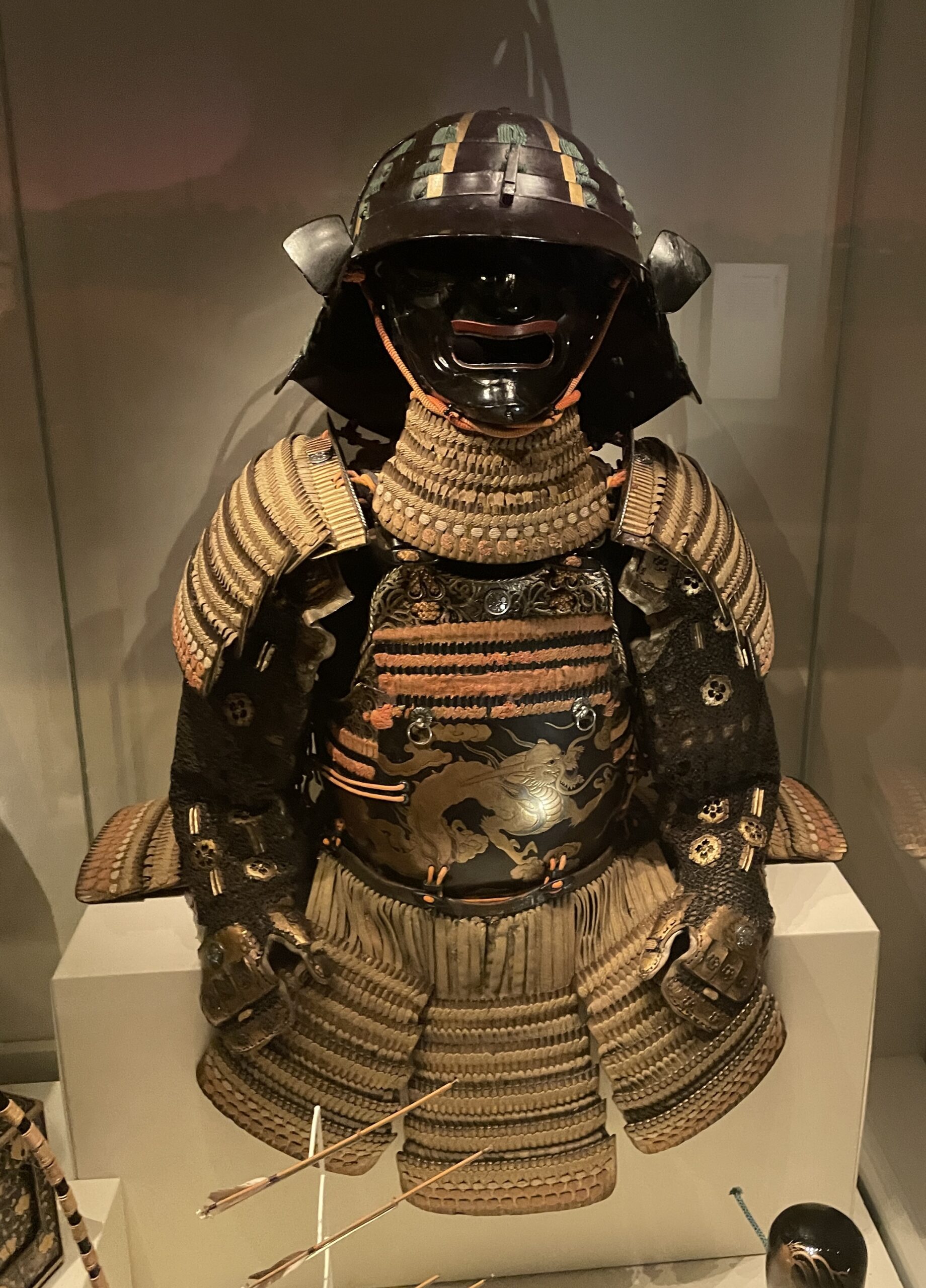
“Samurai” opens this week at the British Museum (through to May) – there’s a lot to see and a lot of ideas about Samurai culture, crafts, literature, painting, textiles, Architecture, diplomacy, battle techniques, gender roles, interactions with Portuguese Christians, Samurai at peace, post-abolition concepts of Samurai in film, TV, games, art, ideology etc and….armour of course
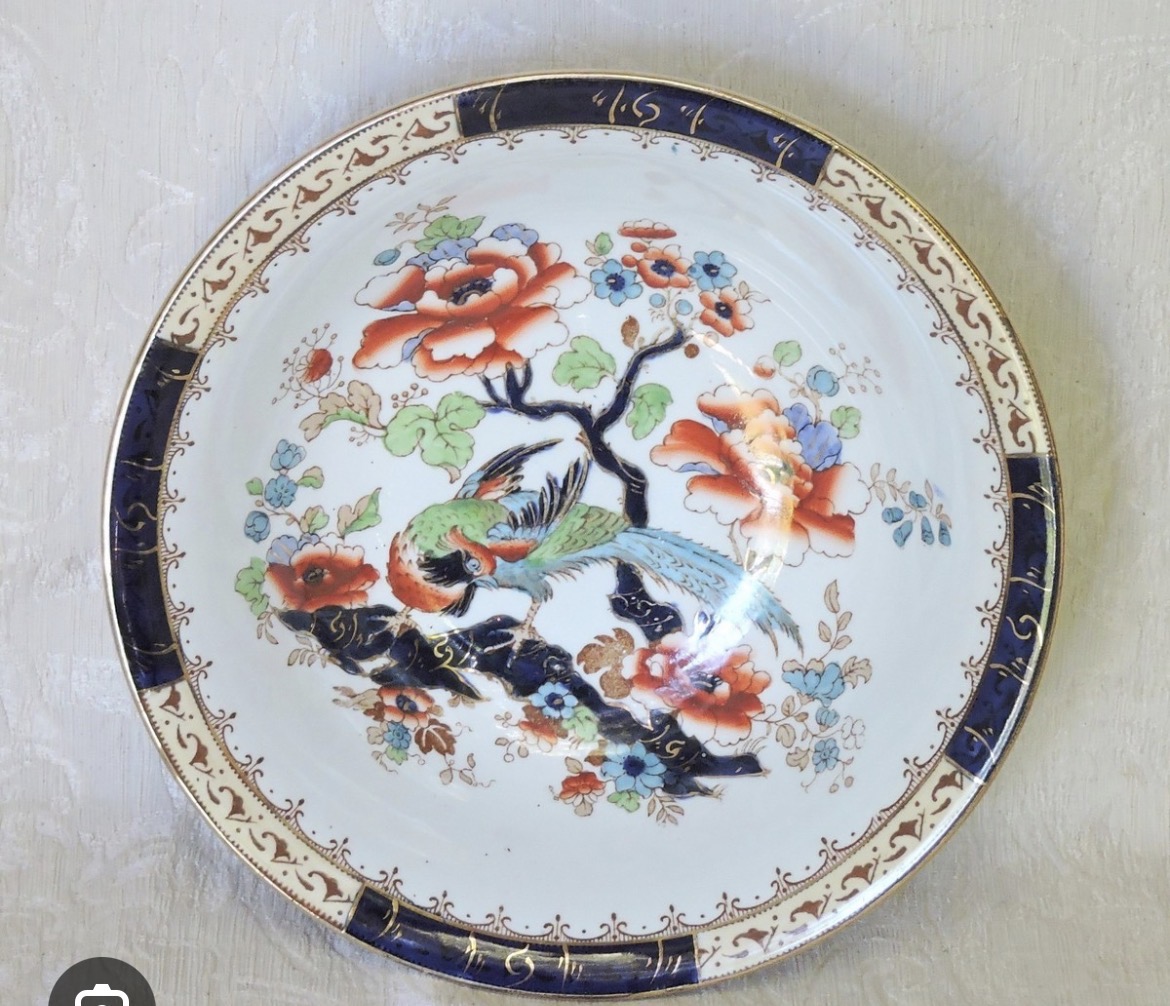
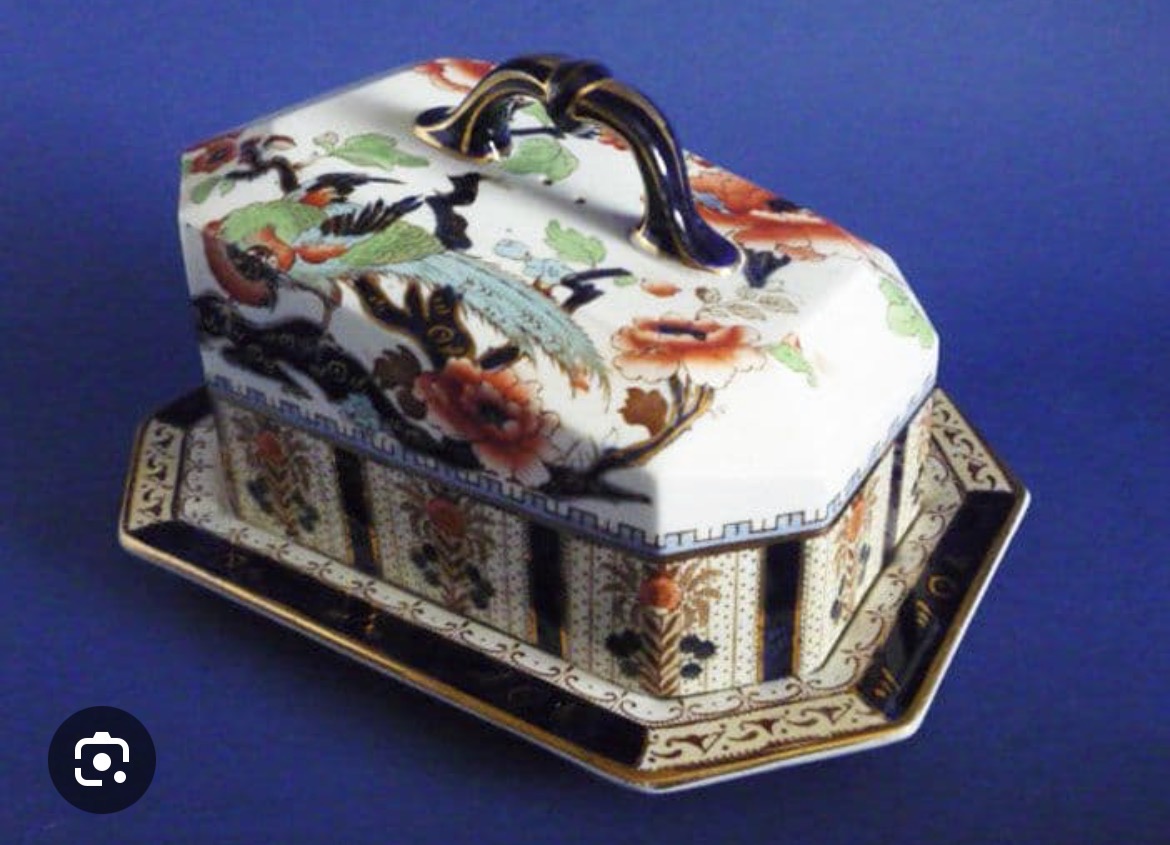
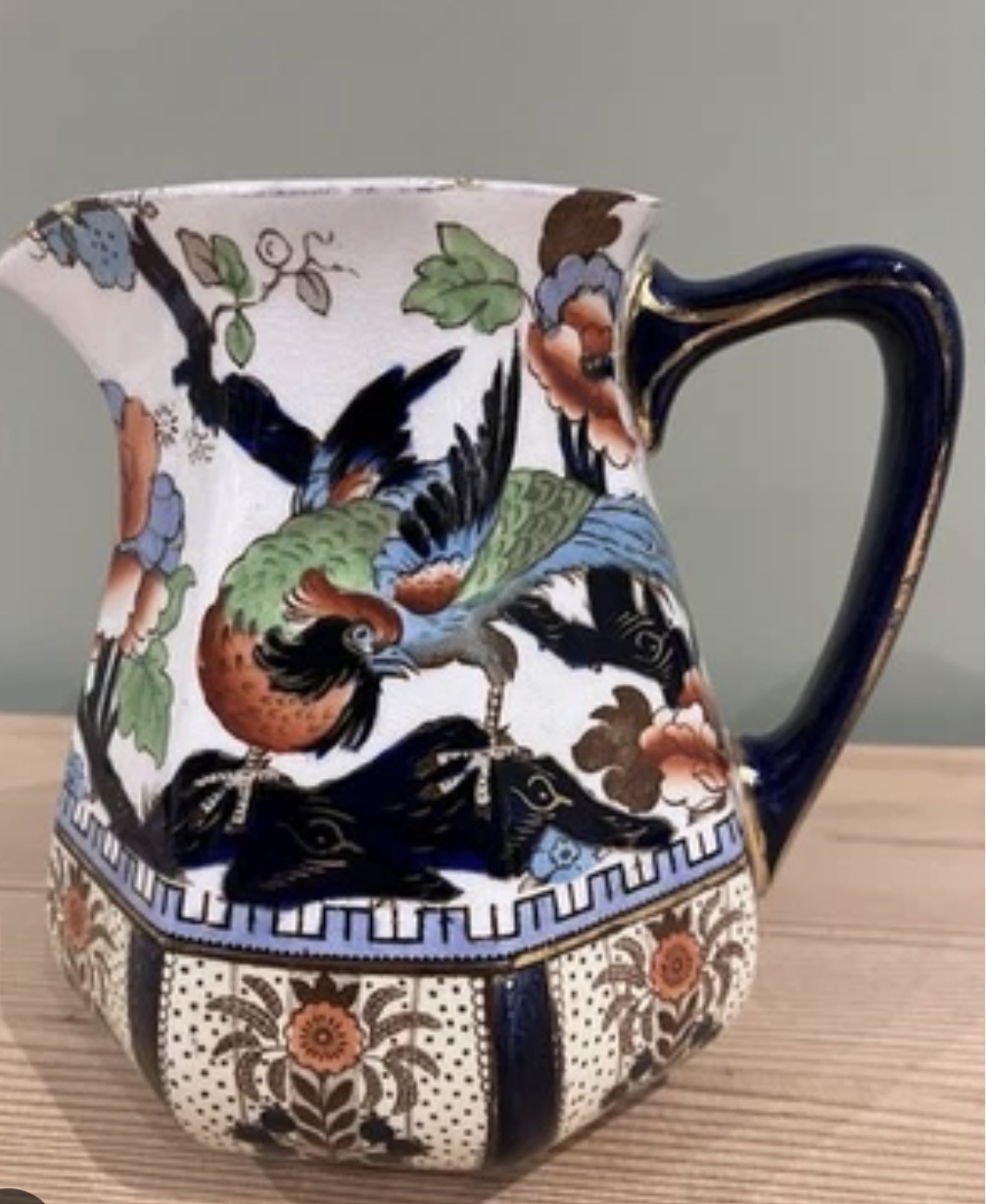
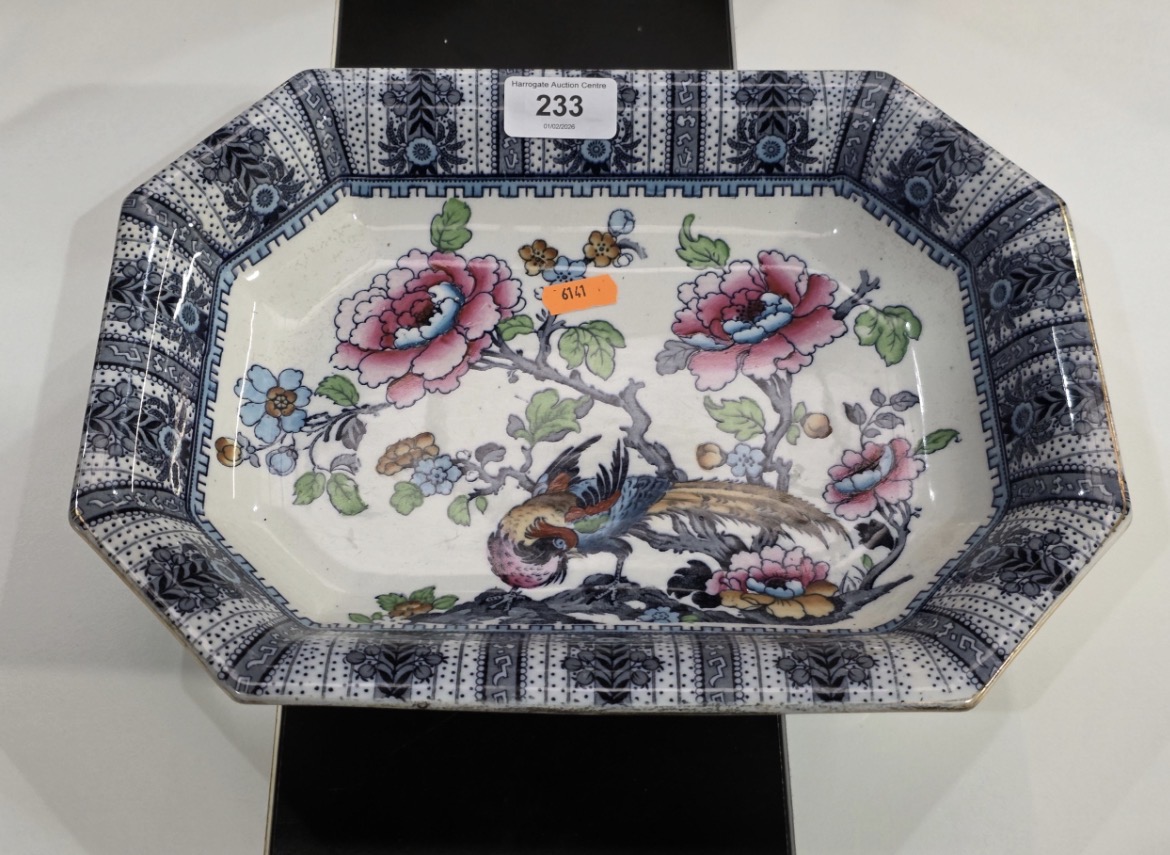
Examples of “Shanghai” range Losol (low solubility) brand ware, a highly collectable, c.1912–1936, Art Nouveau, flow-blue style earthenware manufactured by Keeling & Co Ltd. of Burslem, England. The “Shanghai” pattern features vibrant, multicoloured scenes including flowers (such as peonies), green foliage, and exotic birds…
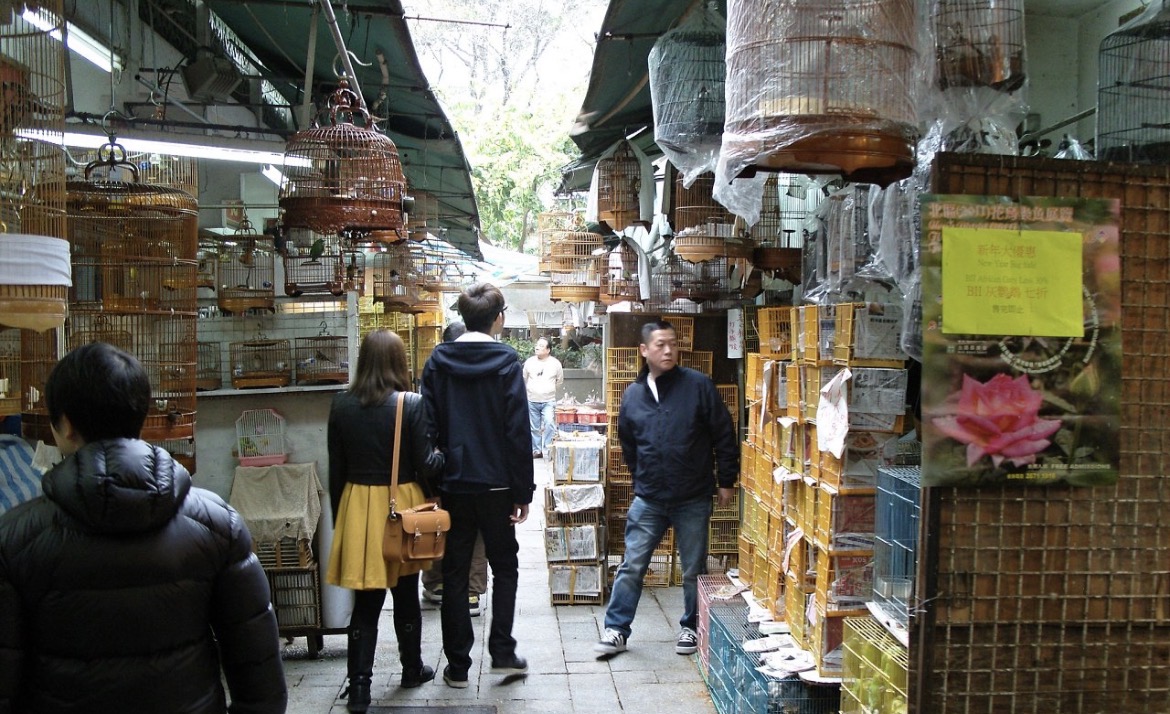
My VoiceMap tour of art deco Hong Kong’s Kadoorie Hill and environs also takes you through a few Kowloon local markets….
Yuen Po Street Bird Market was established after the former “Bird Street” at Hong Lok Street was demolished in the 1990s. At Yuen Po moon gateways divide the length of the street into a series of traditional-style courtyards.
Keeping songbirds as pets has been a popular practice in China for centuries, particularly among the nobility and the scholarly elite, and particularly during the Qing Dynasty. It’s never completely died out and similar markets and “bird walkers” are to be found in every mainland Chinese city as well as Hong Kong. However, some think the tradition remained stronger in Hong Kong due to particularly dense living conditions and small flats.