Fascinating historical glimpse of 1964 Hong Kong maritime culture—the details on the junks and dry dock craftsmanship are wonderful to see preserved. Thank you for sharing this archive.
What a evocative snapshot of old Hong Kong — the junks lined up at dry dock really capture the working harbour life of 1964. It made me think about how these scenes inspire creative work even today; I recently tried turning vintage photos like this into original songs with SongLoom (https://songloom.app) and it was a lovely way to bring the history to life. Thanks for preserving and sharing these gems.
The craftsmanship and working harbour rhythm in these 1964 Hong Kong dry dock images are remarkable. Preserving visual archives of traditional junks gives such valuable historical context to Hong Kong’s maritime heritage. Thank you for sharing this piece.
4Ren Takahashi said at 1:33 pm on September 8th, 2026:
What a evocative snapshot of 1964 Hong Kong — the junks lined up at dry dock really capture the working harbour life of that era. The composition and detail in Ying’s work are stunning. It inspired me to reimagine such vintage scenes as an AI Anime Wallpaper (https://aianimewallpaper.com) for my desktop. Thanks for preserving and sharing these gems.
What a evocative snapshot of 1964 Hong Kong, the junks at dry dock really capture the working harbour spirit. It inspired me to reimagine the scene as AI art, I used a free AI image generator https://aigazou.art to create a matching wallpaper. Thanks for preserving these gems.
6Leo Marsh said at 5:08 pm on September 8th, 2026:
What an evocative snapshot of 1964 Hong Kong — the junks lined up at dry dock really capture the working harbour life of that era. The detail in Ying’s composition is stunning. It reminded me of timing and angles in a physics puzzler I play, Smash Fest online, where structure and weak points matter too. Thanks for preserving and sharing these gems.
7Oliver Bennett said at 10:24 pm on September 8th, 2026:
What an evocative snapshot of 1964 Hong Kong — the junks lined up at dry dock really capture the working harbour life of that era. The detail in Ying’s composition is stunning. It reminded me of the patience needed for pattern puzzles; lately I have been unwinding with Play Meowdoku Online, a cosy cat sudoku that rewards the same careful eye. Thanks for preserving and sharing these gems.
8Emma Carter said at 10:16 am on September 9th, 2026:
What an evocative snapshot of 1964 Hong Kong — the junks lined up at dry dock really capture the working harbour life of that era. The detail in Ying’s composition is stunning. It made me think how these vintage scenes could inspire a personalized gift song, and I recently tried creating one with Send The Song (https://sendthesong.app) to bring old memories to life through music. Thanks for preserving and sharing these gems.
9Alex Morgan said at 10:17 am on September 9th, 2026:
What a wonderful glimpse of 1964 Hong Kong — the junks at dry dock really capture the working harbour spirit, and Ying’s detail is superb. It made me think about faces and character of that era; I tested one of the old portraits with AI Attractiveness Test (https://aiattractivenesstest.app) just for fun. Thanks for preserving and sharing this piece.
10songbylink said at 12:43 pm on September 9th, 2026:
What a wonderful glimpse of 1964 Hong Kong — the junks at dry dock really capture the working harbour spirit, and Ying’s detail is superb. Thanks for preserving these images. I also found a nice creative companion for vintage memories at https://songbylink.com/ .
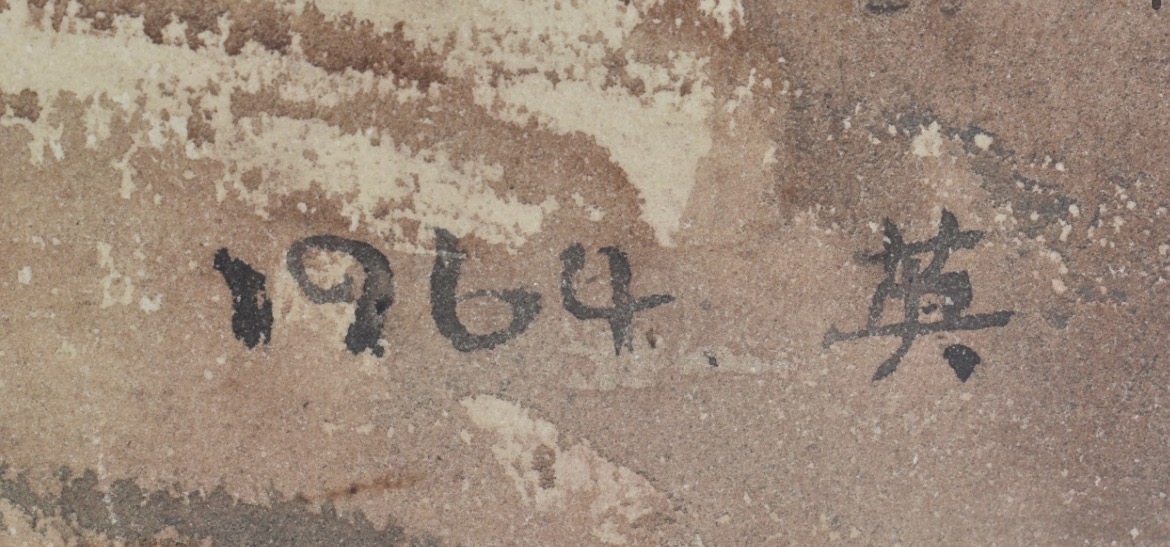
A 1964 view of junks in dry dock is a useful counterpoint to the usual harbour photographs — you can actually see the hull shape and how these boats were built, not just a silhouette against the skyline. I’m curious about the ‘Ying’ signature: is that the photographer, or the studio that printed the image? — Louis
12MotionCasa said at 11:50 pm on November 11th, 2026:
A signed 1964 print of junks at dry dock is a lovely artifact — Hong Kong’s shipyards were still full of working sailing vessels then, and photographers like Ying documented the tail end of that era. Images like this are primary sources now; the harbor looks nothing like it. — Louis
13image to 3D said at 8:35 am on November 13th, 2026:
The title places the junks in a Hong Kong dry dock in 1964 and notes the signature “Ying”, giving the scene a specific setting. A related modelling reference: image to 3D.
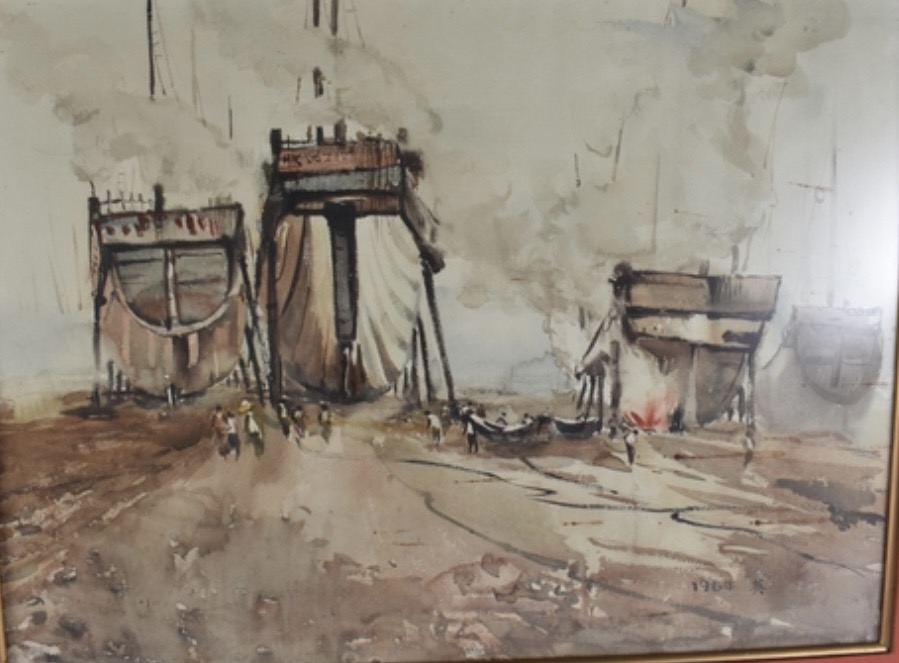
Fascinating historical glimpse of 1964 Hong Kong maritime culture—the details on the junks and dry dock craftsmanship are wonderful to see preserved. Thank you for sharing this archive.
What a evocative snapshot of old Hong Kong — the junks lined up at dry dock really capture the working harbour life of 1964. It made me think about how these scenes inspire creative work even today; I recently tried turning vintage photos like this into original songs with SongLoom (https://songloom.app) and it was a lovely way to bring the history to life. Thanks for preserving and sharing these gems.
The craftsmanship and working harbour rhythm in these 1964 Hong Kong dry dock images are remarkable. Preserving visual archives of traditional junks gives such valuable historical context to Hong Kong’s maritime heritage. Thank you for sharing this piece.
What a evocative snapshot of 1964 Hong Kong — the junks lined up at dry dock really capture the working harbour life of that era. The composition and detail in Ying’s work are stunning. It inspired me to reimagine such vintage scenes as an AI Anime Wallpaper (https://aianimewallpaper.com) for my desktop. Thanks for preserving and sharing these gems.
What a evocative snapshot of 1964 Hong Kong, the junks at dry dock really capture the working harbour spirit. It inspired me to reimagine the scene as AI art, I used a free AI image generator https://aigazou.art to create a matching wallpaper. Thanks for preserving these gems.
What an evocative snapshot of 1964 Hong Kong — the junks lined up at dry dock really capture the working harbour life of that era. The detail in Ying’s composition is stunning. It reminded me of timing and angles in a physics puzzler I play, Smash Fest online, where structure and weak points matter too. Thanks for preserving and sharing these gems.
What an evocative snapshot of 1964 Hong Kong — the junks lined up at dry dock really capture the working harbour life of that era. The detail in Ying’s composition is stunning. It reminded me of the patience needed for pattern puzzles; lately I have been unwinding with Play Meowdoku Online, a cosy cat sudoku that rewards the same careful eye. Thanks for preserving and sharing these gems.
What an evocative snapshot of 1964 Hong Kong — the junks lined up at dry dock really capture the working harbour life of that era. The detail in Ying’s composition is stunning. It made me think how these vintage scenes could inspire a personalized gift song, and I recently tried creating one with Send The Song (https://sendthesong.app) to bring old memories to life through music. Thanks for preserving and sharing these gems.
What a wonderful glimpse of 1964 Hong Kong — the junks at dry dock really capture the working harbour spirit, and Ying’s detail is superb. It made me think about faces and character of that era; I tested one of the old portraits with AI Attractiveness Test (https://aiattractivenesstest.app) just for fun. Thanks for preserving and sharing this piece.
What a wonderful glimpse of 1964 Hong Kong — the junks at dry dock really capture the working harbour spirit, and Ying’s detail is superb. Thanks for preserving these images. I also found a nice creative companion for vintage memories at https://songbylink.com/ .
A 1964 view of junks in dry dock is a useful counterpoint to the usual harbour photographs — you can actually see the hull shape and how these boats were built, not just a silhouette against the skyline. I’m curious about the ‘Ying’ signature: is that the photographer, or the studio that printed the image? — Louis
A signed 1964 print of junks at dry dock is a lovely artifact — Hong Kong’s shipyards were still full of working sailing vessels then, and photographers like Ying documented the tail end of that era. Images like this are primary sources now; the harbor looks nothing like it. — Louis
The title places the junks in a Hong Kong dry dock in 1964 and notes the signature “Ying”, giving the scene a specific setting. A related modelling reference: image to 3D.