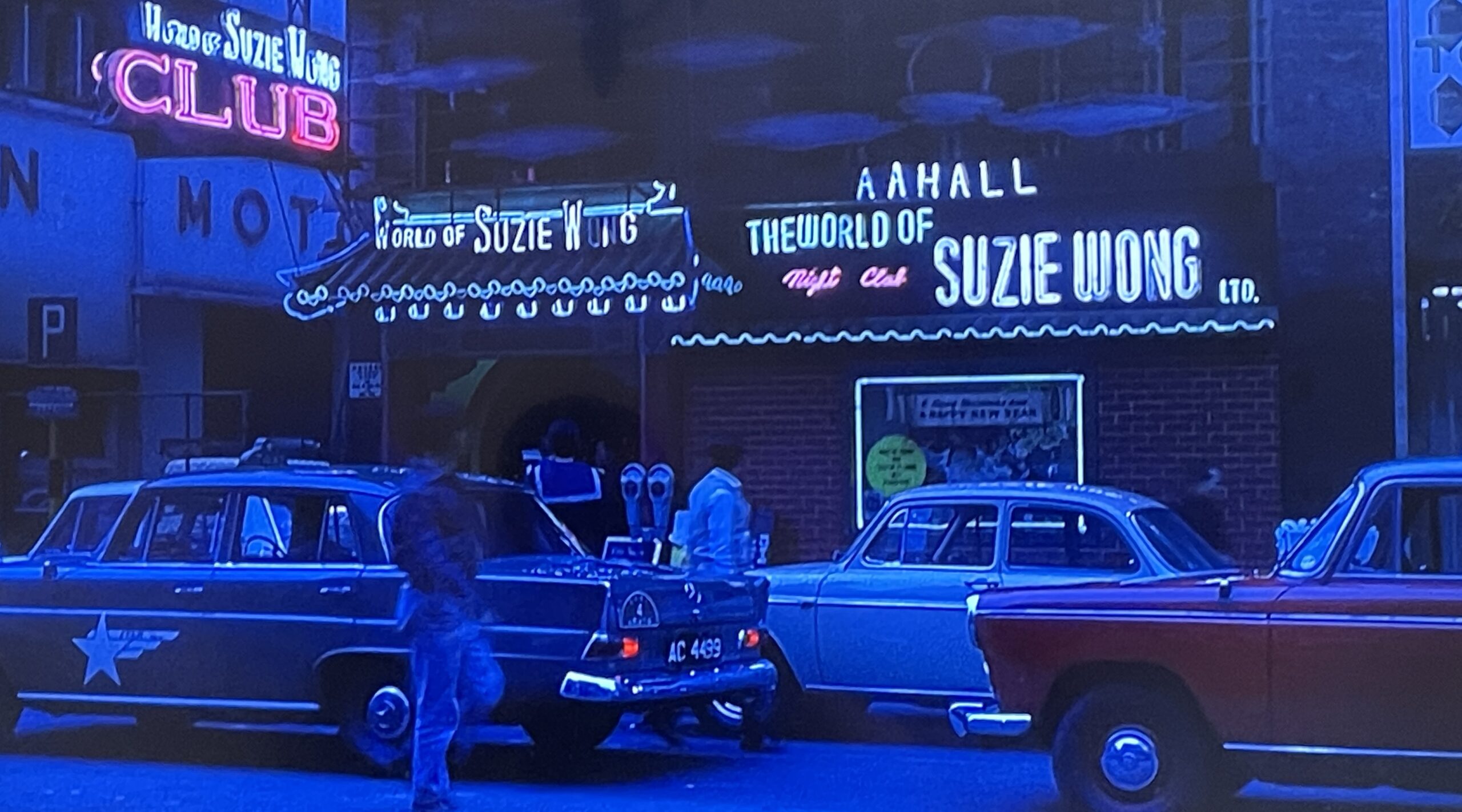
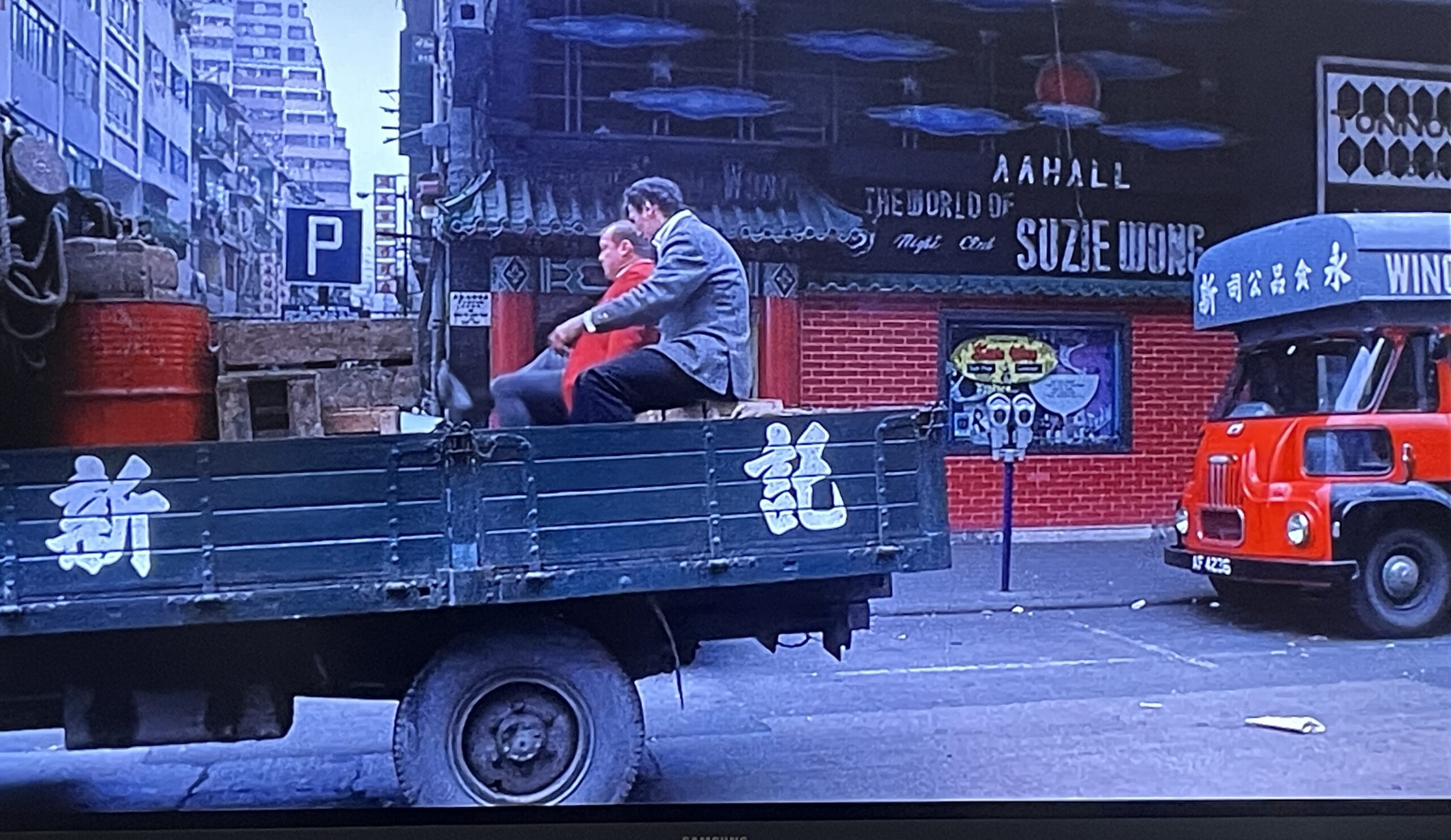
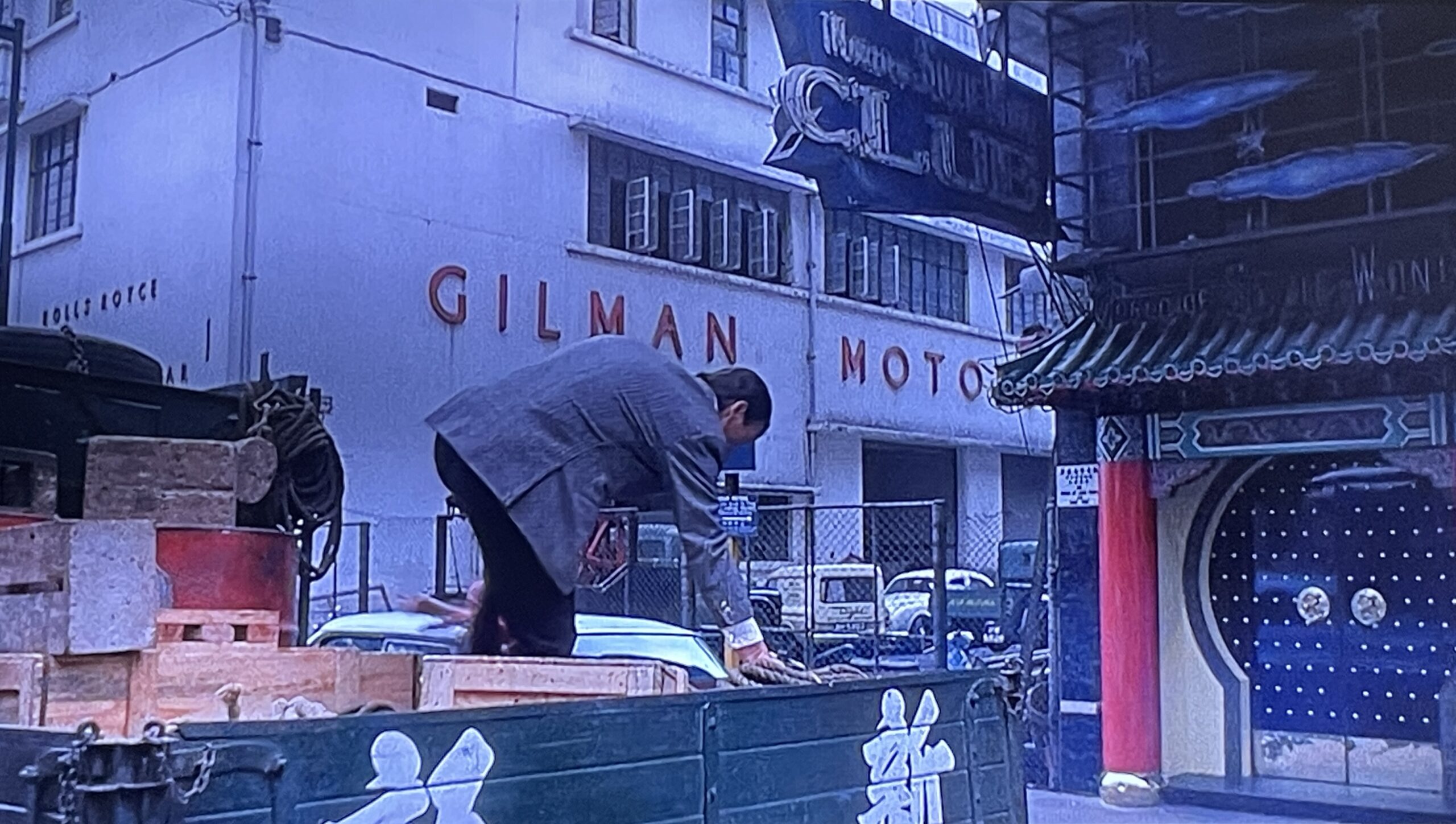
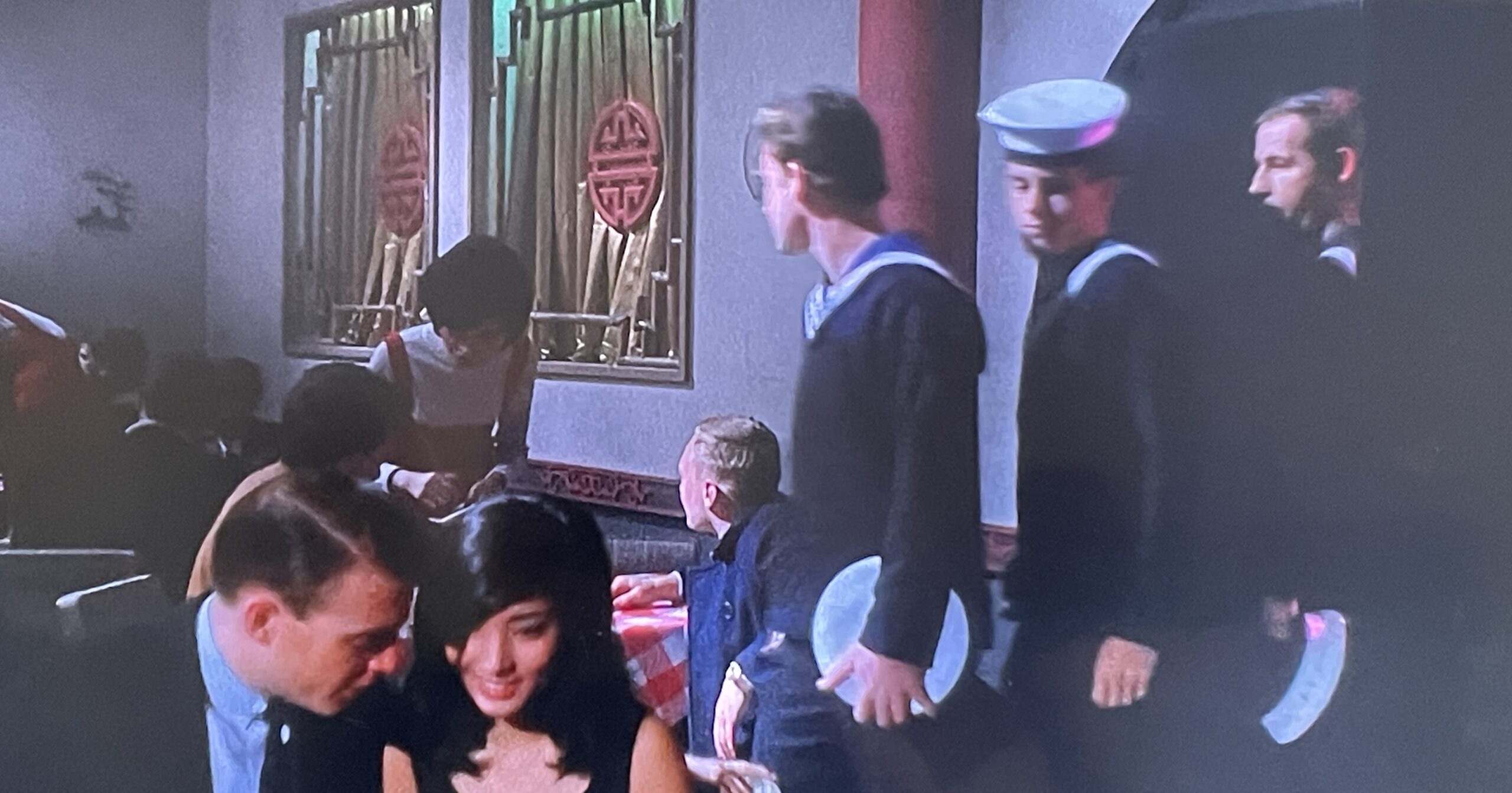
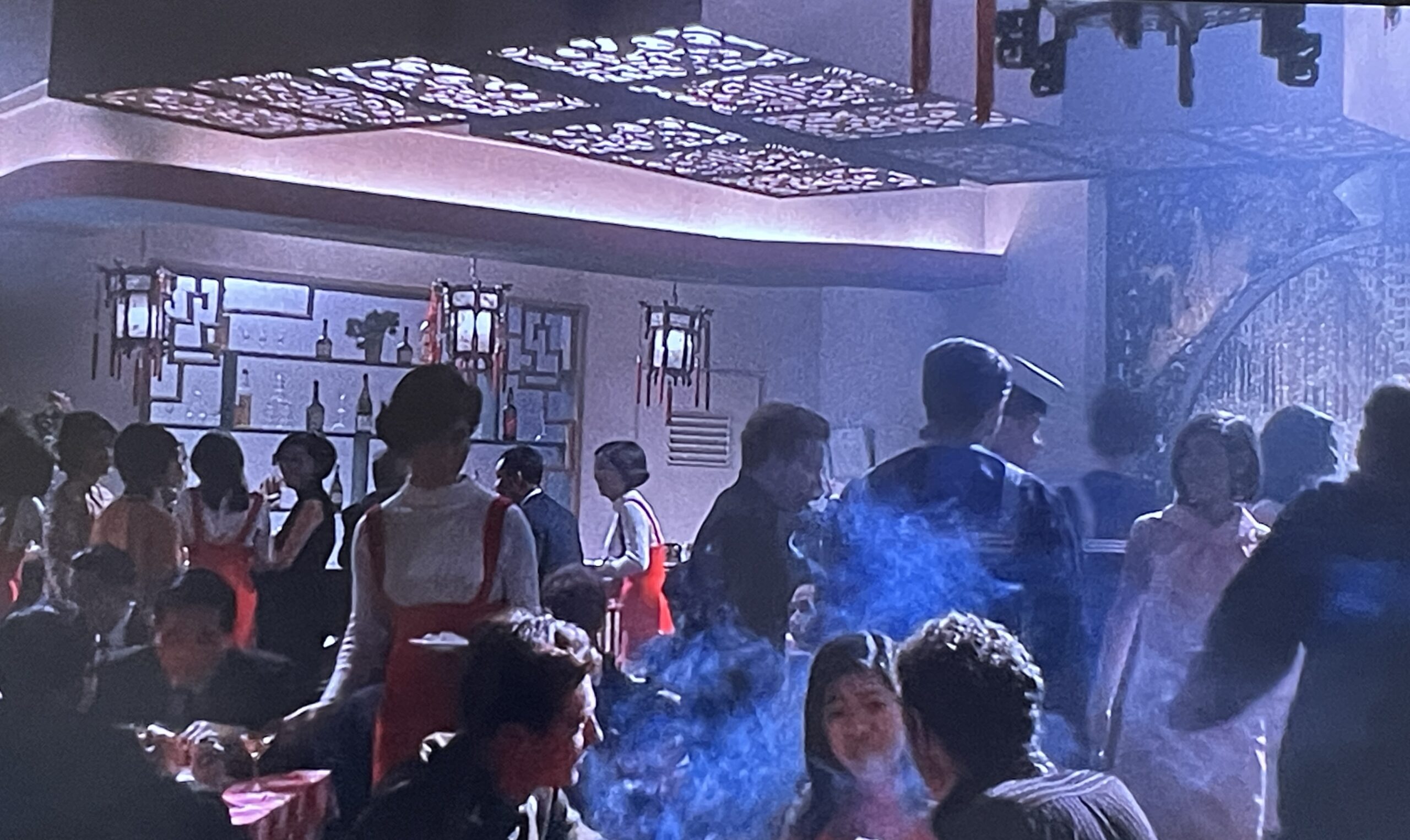
The World of Suzie Wong Night Club, Hong Kong, captured in 1966 in the movie Kill A Dragon. Inspired by Richard Mason’s 1957 novel and 1960 film. A sailor and tourist trap. Located in Wanchai on Lockhart Road near Tonnochy Road (you can see Gilman Motors in the daytime shot which was, I think, on the Tonnochy and Gloucester Roads block (still a centre of the motor trade)…. The interiors are also on location I believe.
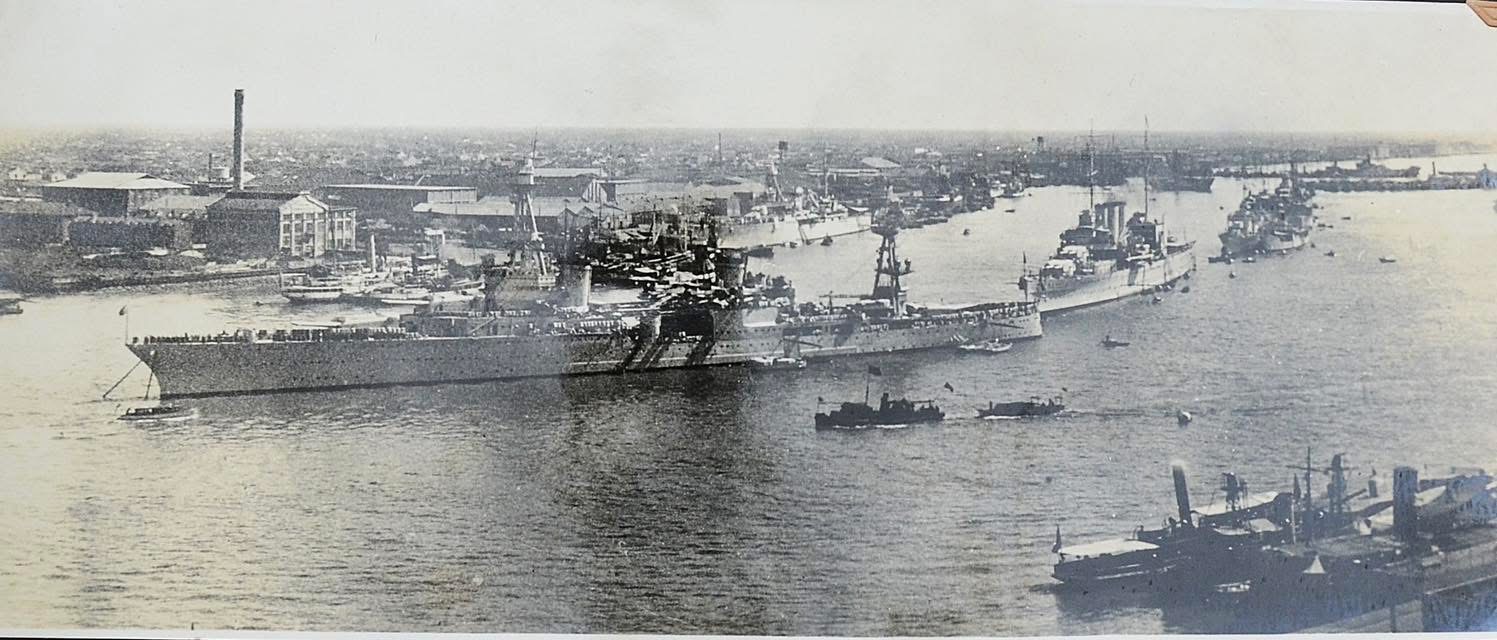
HMS Kent arrives in Shanghai along the Huangpu River, 1939 – what was then known as “Gunboat Row” for obvious reasons you can see here. From the collection of Henry D Killingback who served on Kent. An interesting photograph as it also gives the lie to the popular misconception that there was nothing Pudong-side until the 1990s (I’ve heard this for 35 years from people!!). As you can see this was always wrong. This picture was, I assume, taken from the top of the Broadway (slightly later Shanghai) Mansions building on North Suzhou Road (formerly #1 Broadway) – perhaps the old Foreign Correspondents Club or higher, perhaps the 17th floor bar.
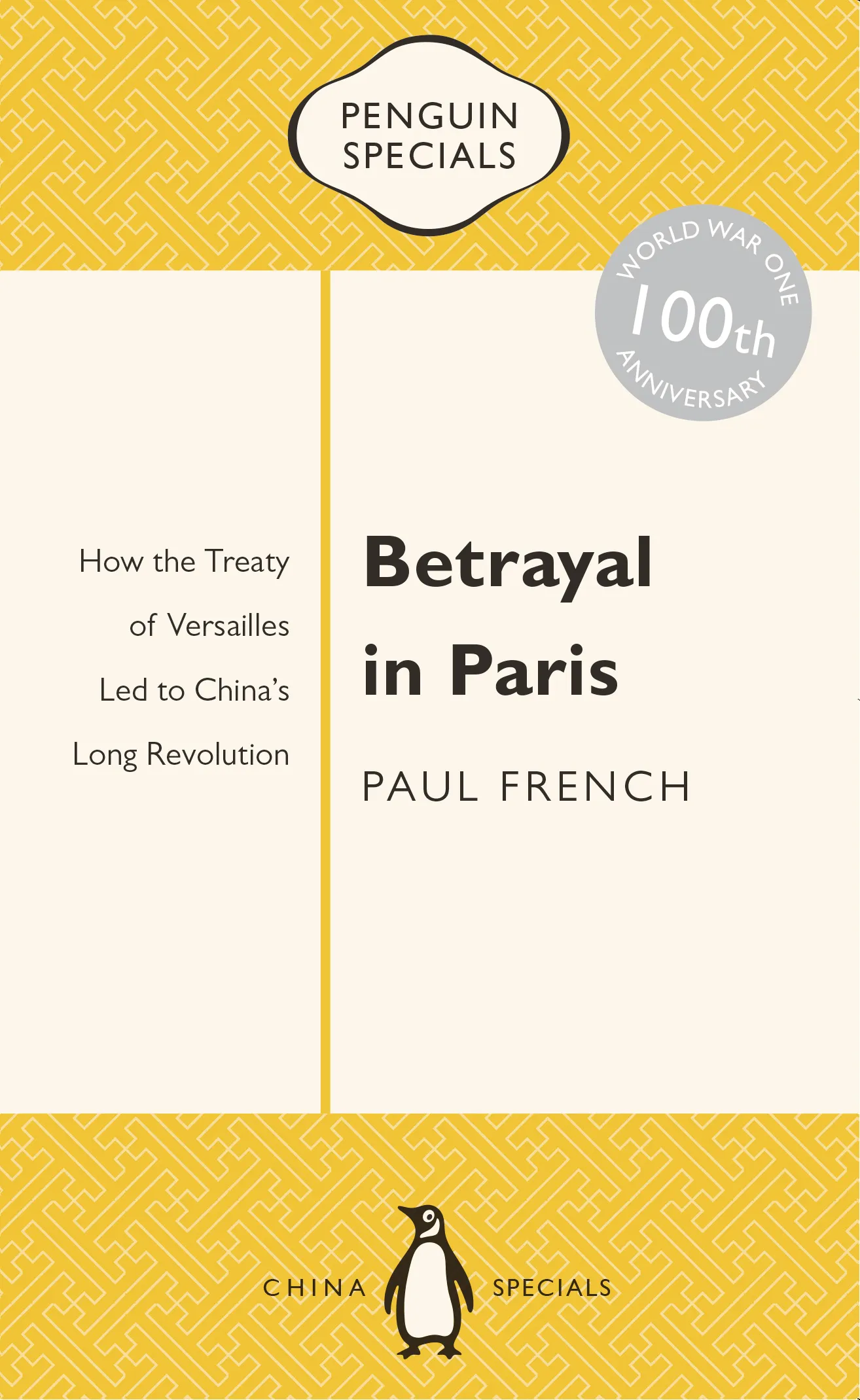
I have a few copies of my Penguin Special Betrayal in Paris: How the Treaty of Versailles Led to China’s Long Revolution published in 2014 as part of the Penguin China series commemorating the centenary of the First World War and in particular China’s role in the global conflict. As ever email paul@chinarhyming.com – it’s first come, first served and I can mail anywhere except the PRC and the USA…
A sad little tale of Hong Kong and heritage. It’s trite to say, but sadly Hong Kong property developers only really care about money. They have absolutely no interest in heritage or architectural history, and that disappointingly also includes Kadoorie Estates.
When I started planning my “Kowloon Tong: Art Deco and Hidden Heritage in Hong Kong” walking tour for VoiceMap (https://voicemap.me/tour/hong-kong/kowloon-tong-art-deco-and-hidden-heritage-in-hong-kong) the aim was to revisit the art-deco classic architecture of Kadoorie Hill, the Braga Circuit and along Prince Edward Road West. Most of the highlights of that walk still exist (so please do download it!), but in the couple of years since I started work on it we have learnt that the beautiful shophouses around Yuen Ngai Street and Flower Market Road, off Prince Edward Road West, are under threat as the dreaded Urban Renewal Authority is planning a sanitised indoor flower market which would eradicate many of these structures.
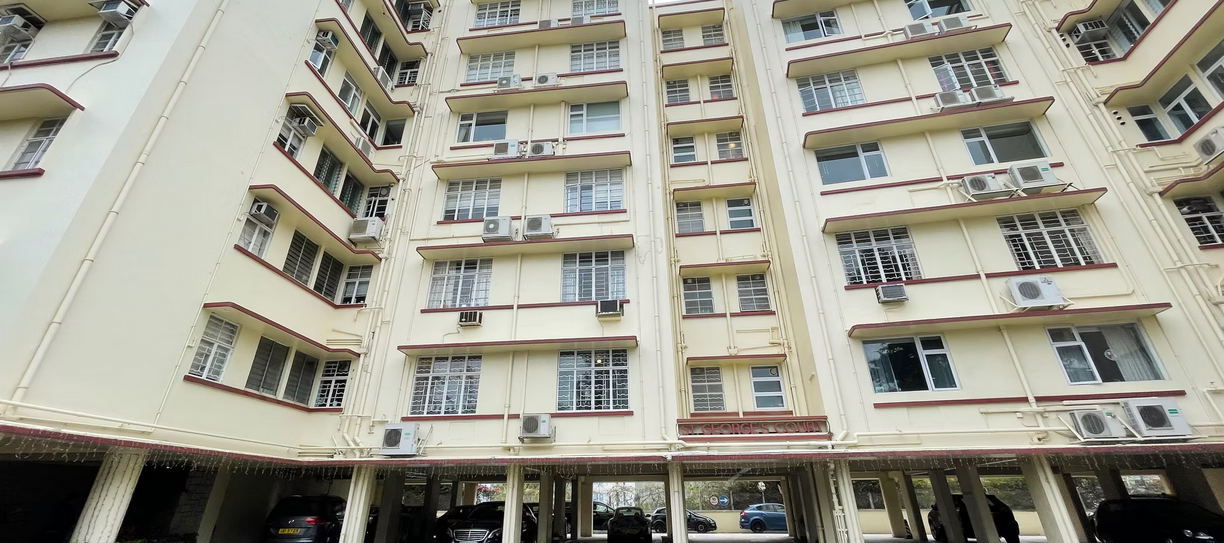
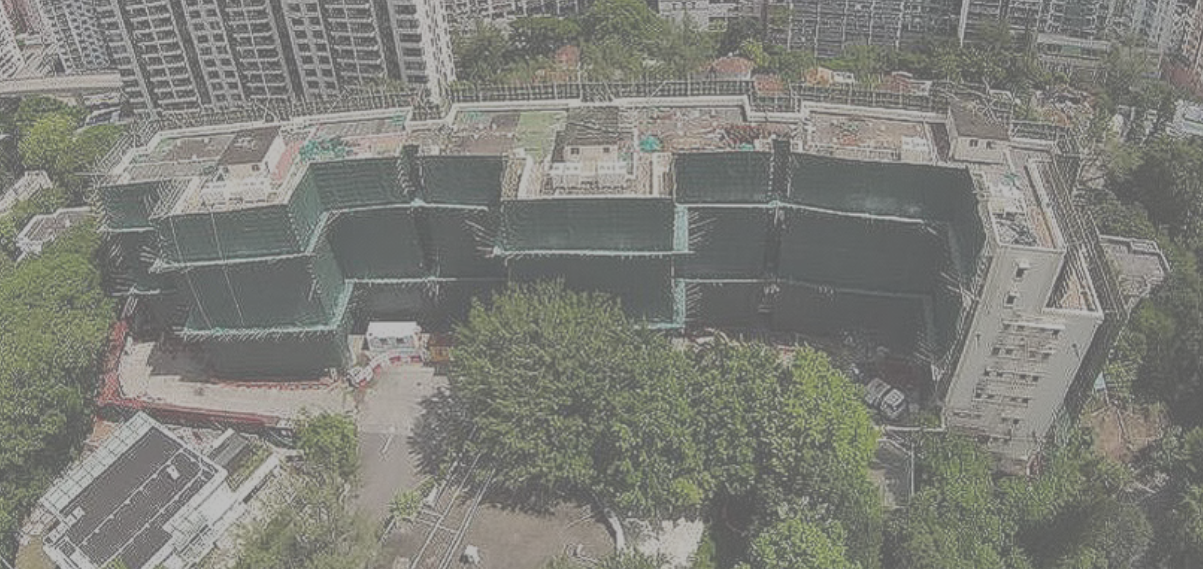
But by far the biggest and most significant loss to Kowloon’s heritage, courtesy of Kadoorie Estates, has been St George’s Court – now totally bulldozed and gone.
Among the houses and villas of Kadoorie Avenue and the Braga Circuit St. George’s Court, once at #81-85 Kadoorie Avenue, was an ultra-modern post-war apartment building. Though completed in 1956, it displayed elements of a slightly earlier Art Deco as well as Modernism and the more on-trend Bauhaus tradition which was relatively popular in post-war Hong Kong. Some have used the term “delayed modernism” to describe the later use of modernist architectural styles in Hong Kong. You can see it with several ferry piers, the Central Market for instance.
The indented structure of St. George’s Court was essentially a single six-story block with 39 residential units, the individual flats being typically between 1,500-3,000sqft and all included multiple bedrooms, bathrooms, a kitchen, and maid’s room. They all had Crittall window frames and forward and side-facing rooms with sizeable verandas as well as a car park reflecting more widespread car ownership in Hong Kong after the war. The upper floors originally gave a view over the nearby residential area of Ho Man Tin. The apartments were originally marketed to executives and young families with some financial means. The complex was fully occupied shortly after completion, such was its instant popularity in the 1950s.
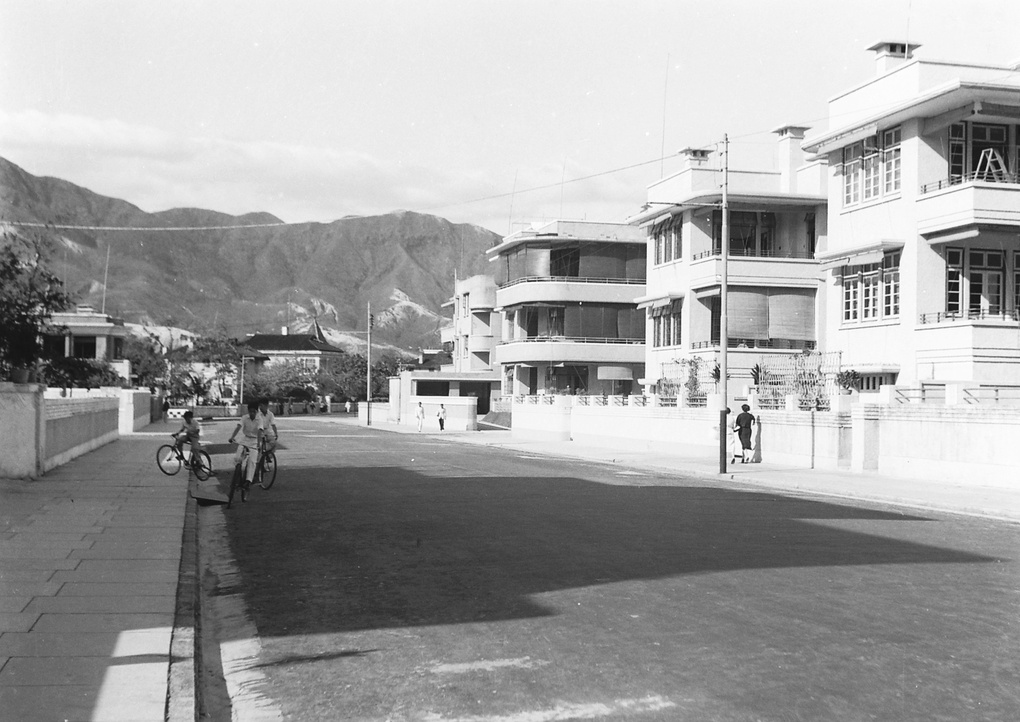
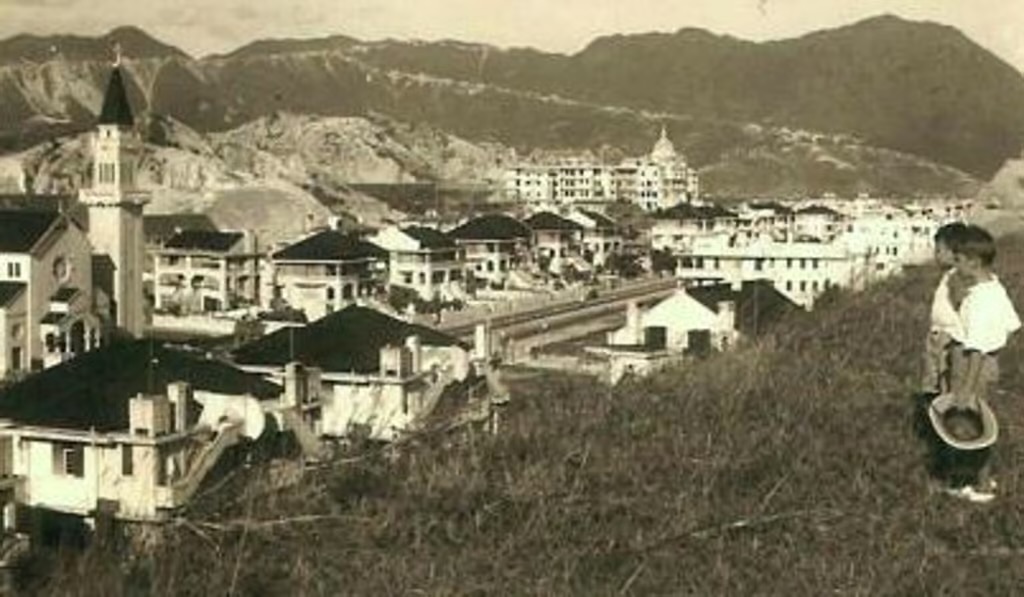
Kowloon’s Kadoorie Hill, known as one of Hong Kong’s most prestigious addresses, is a neighbourhood developed in the 1939s set apart from the ubiquitous tenement blocks and skyscrapers and remaining Hong Kong’s single largest repository of art-deco architecture. Here it is in the 30s. To see it now and appreciate its hidden and overlooked beauty download my Voicemap GPS walking tour Kowloon Tong: Art-Deco and Hidden Heritage – click here for more
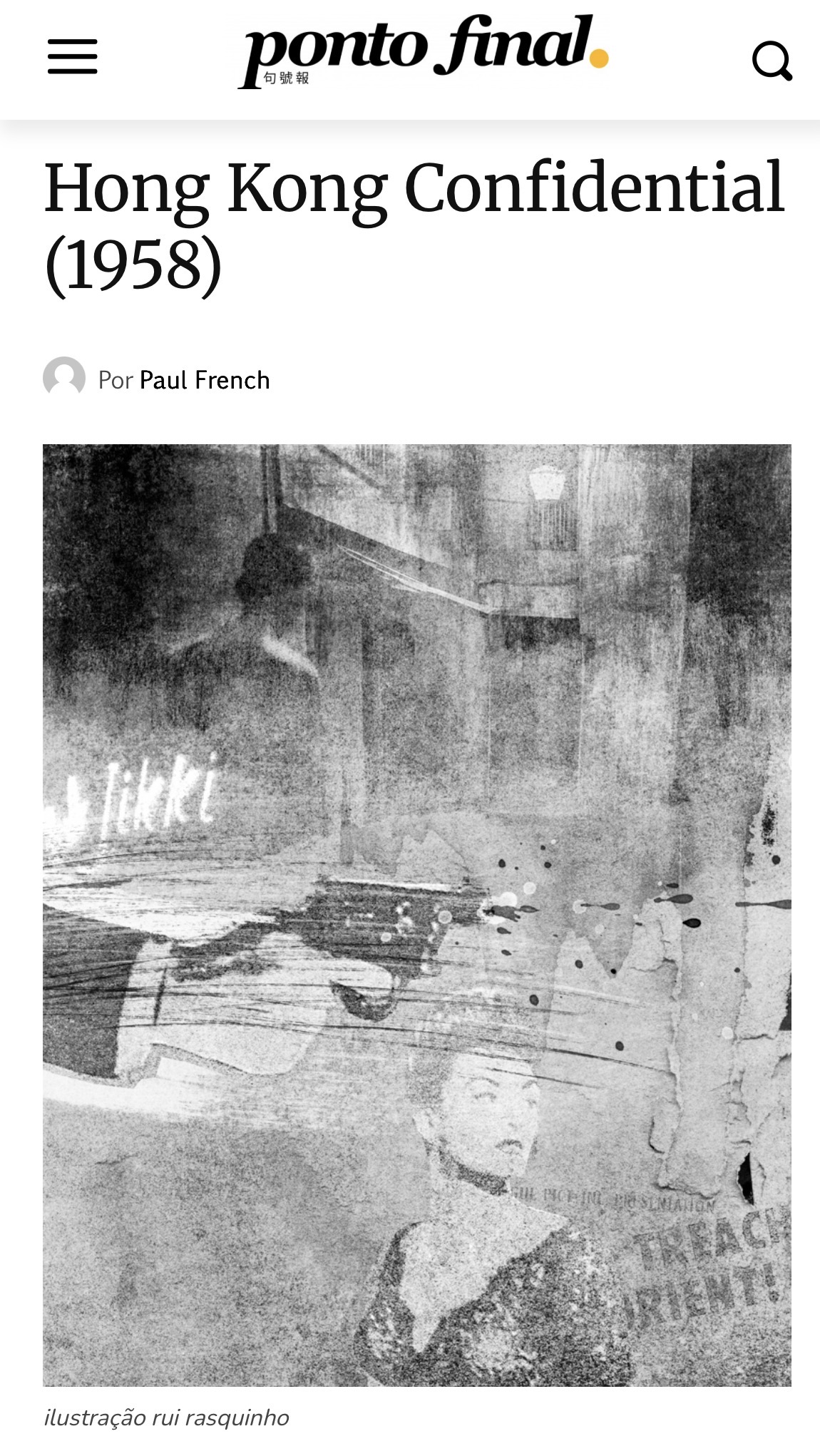
My latest column (in Portuguese) for Paragrafo (#98) the arts and literature supplement to Macao newspaper Ponto Final. On the 1958 Cold War B-movie Hong Kong Confidential and what it said about US perceptions of HK and Macao at the time… illustration as ever by Rai Rasquinho – click here
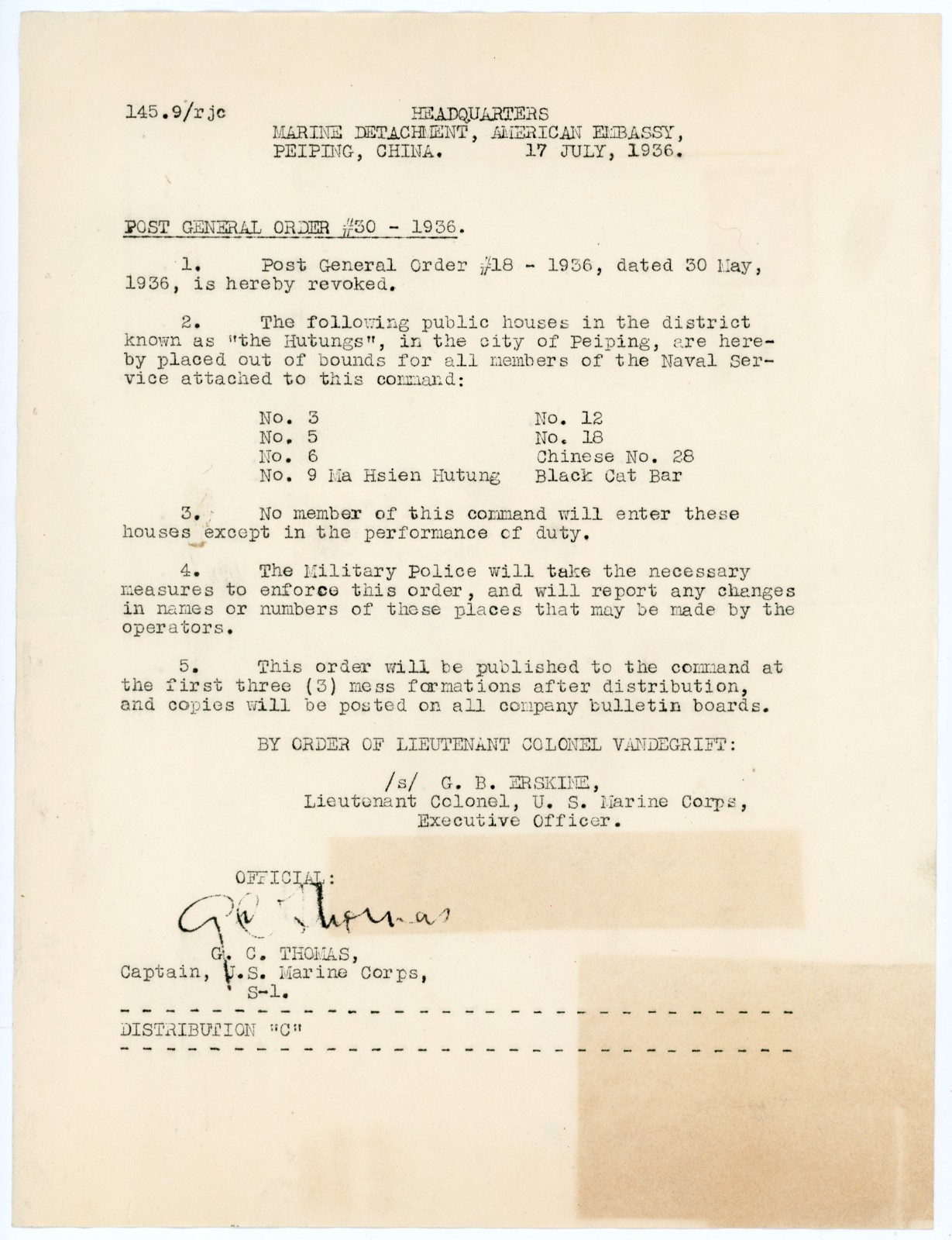
Today Ma Hsien (Maxian) Hutong is a traditional old hutong in Beijing’s Dongcheng District that connects with Houwei Hutong and is not far from Mao’er Hutong, once the family home to Wanrong, who became the wife of Puyi and so the last empress of China (someone should write a new book about them!).
In 1936 there were apparently some rather dodgy bars at numbers 3, 5, 6, 9, 12 and 18! This area had grown up as a bar street, I think, because the Marine Detachment at the US Embassy had ruled the “Badlands” (around Huoguo and Changban Hutongs to the east of the Legation Quarter) as “out of bounds”. Although (as readers of my book Midnight in Pekingwill know) British, French and Italian soldiers, as well as civilians of all nations, still congregated there.
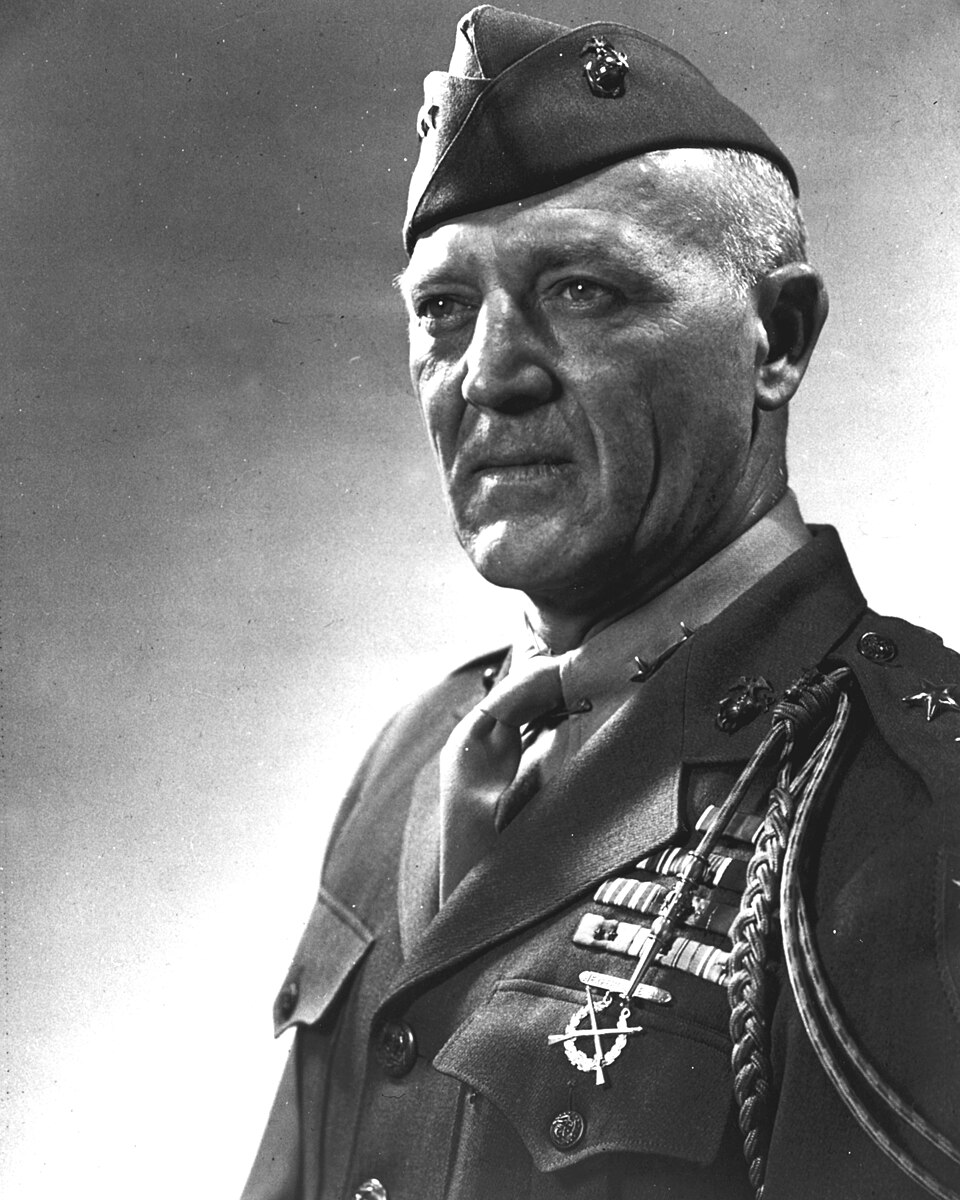
So it seems Ma Hsien Hutong became the Marines favoured drinking spot. But then it too got ruled “out of bounds” in July 1936. MPs were sent in to enforce the “Post General Order” issued by Lieutenant Colonel G.B. Erskine, the Marines executive officer.
Erskine (1897-1973), a Louisianan by birth, was one of those Americans with a ridiculously fantastical name – “Graves” (which easily equals Tennessee Williams’ father’s middle name “Coffin”) who served in China (Beijing and Nanjing) from January 1935 to May 1937. He was a Great War veteran having fought at Belleau Wood and later served in Nicaragua. Following his China duty, he became a section chief at the Marine Corps School, Quantico and later commanded the 3rd Marine Division on Iwo Jima in World War Two. He was apparently an expert in amphibious landings – that must have come later because it would, to be frank, be a rather useless skill in Beijing. He became a General and is buried at Arlington.
I wonder where the Marines found to drink after that?
My thanks to the amazing collector of old China ephemera Roy Delbyck in Hong Kong for sending me this treasure.
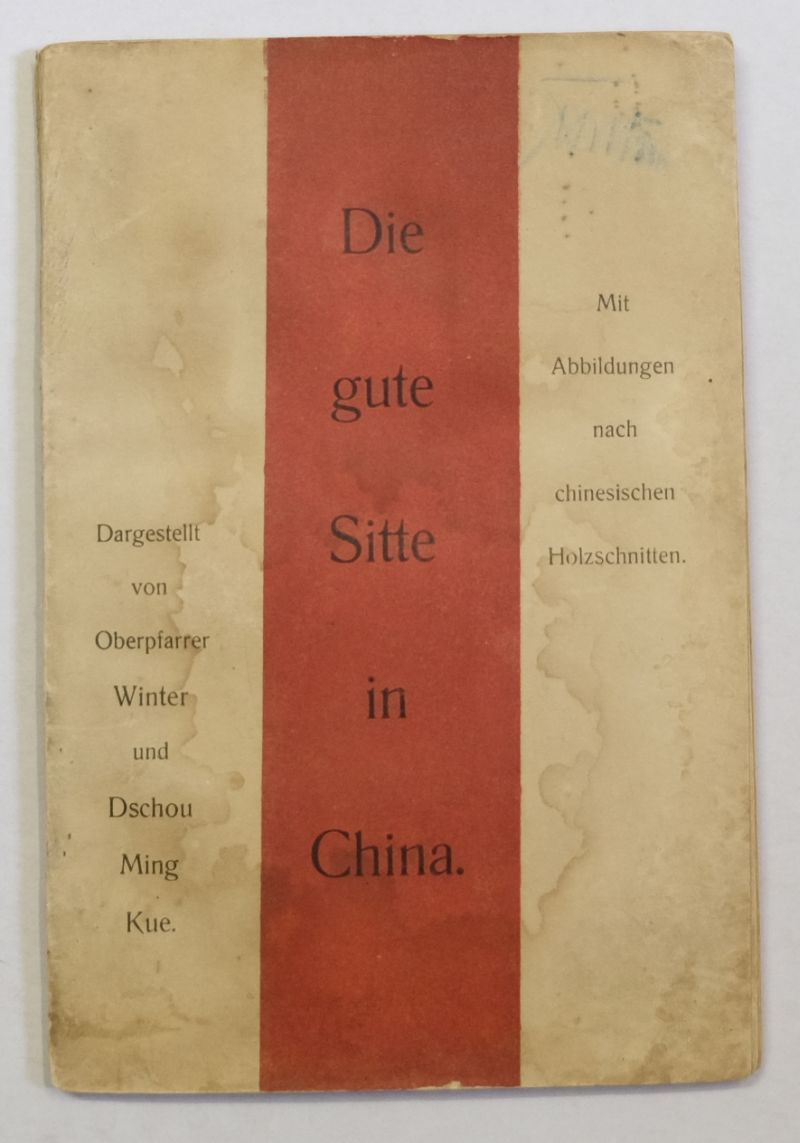
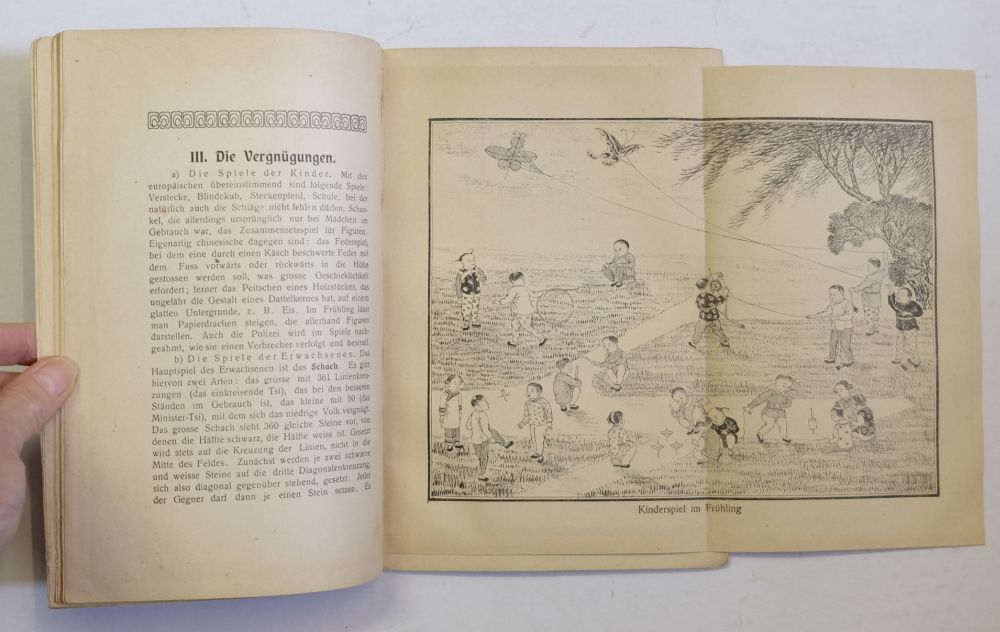
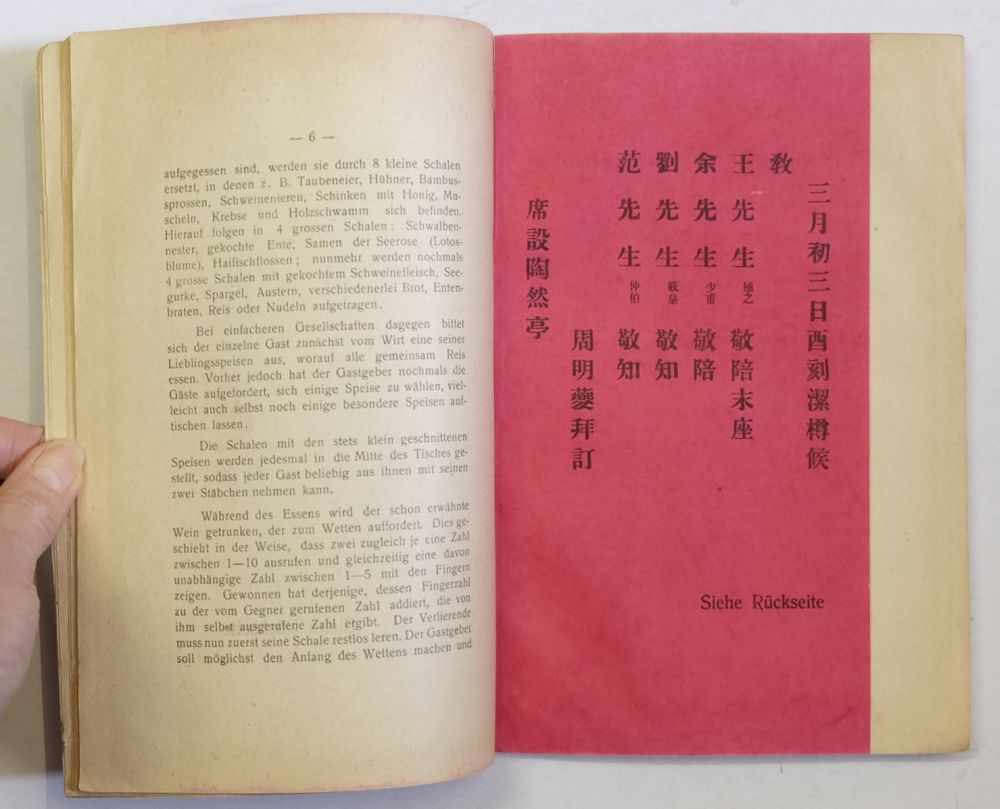
Die Gute Sitte in China (Good Customs in China), by Senior Pastor Winter, 1918, 40 pages with illustrations based on Chinese woodcuts, published by the Tageblatt für Nord-China of Tianjin (which I referenced the history of yesterday here)…