Travel writer (not sure if he likes that handle but anyway…) Jonathan Chatwin (author of Long Prace Street) has a very interesting podcast retracing Deng Xiaoping’s Southern Tour. Those intrerested in Shanghai and its development, contradictions and oddities (I’m being kind here re heritage, preservation and cadre-profiteering bulldozing) might like to check out episode 6 where Jonathan chats Shanghai with Dr Jenny Lin. Jenny Lin is Associate Professor of Critical Studies in University of Southern California’s Roski School of Art and Design. She is author of Above sea: Contemporary art, urban culture and the fashioning of global Shanghai and episode 7 where Chatwin talks with Historic Shanghai’s Patrick Cranley.
In 1916, the painter Vanessa Bell and her friend and lover Duncan Grant moved to Charleston in East Sussex along with Duncan’s partner David Garnett. It was the height of the First World War and, as conscientious objectors, Garnett and Grant needed to find farm work to avoid conscription. Maynard Keynes lived at Charleston for considerable periods as did Lytton Strachey. Virginia and Leonard Woolf, E. M. Forster, Lytton Strachey and Roger Fry were frequent visitors. Inspired by Italian fresco painting and the Post-Impressionists, the artists decorated the walls, doors and furniture at Charleston. Julian Bell, the son of Vanessa and Clive Bell, famouly went to China in 1935 to teach at Wuhan University and scandalously had an affair with Ling Shu Hua, the wife of Professor Chen, the head of his department. After China Julian went to Spain and was killed driving an ambulance in the Civil War.
There are a few echoes of China and Julian at Charleston…which is now open again to visitors and managed by the National Trust….
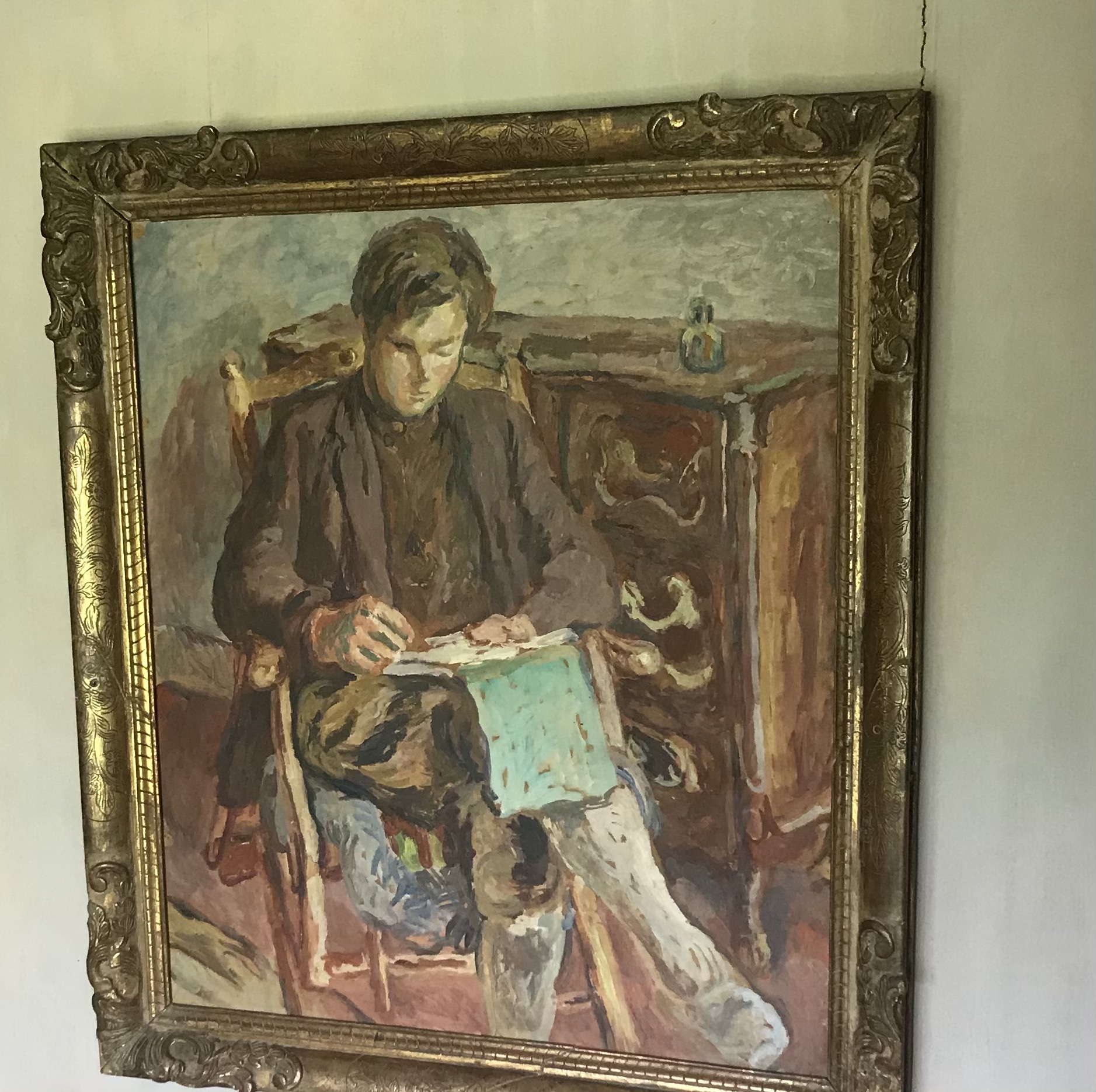
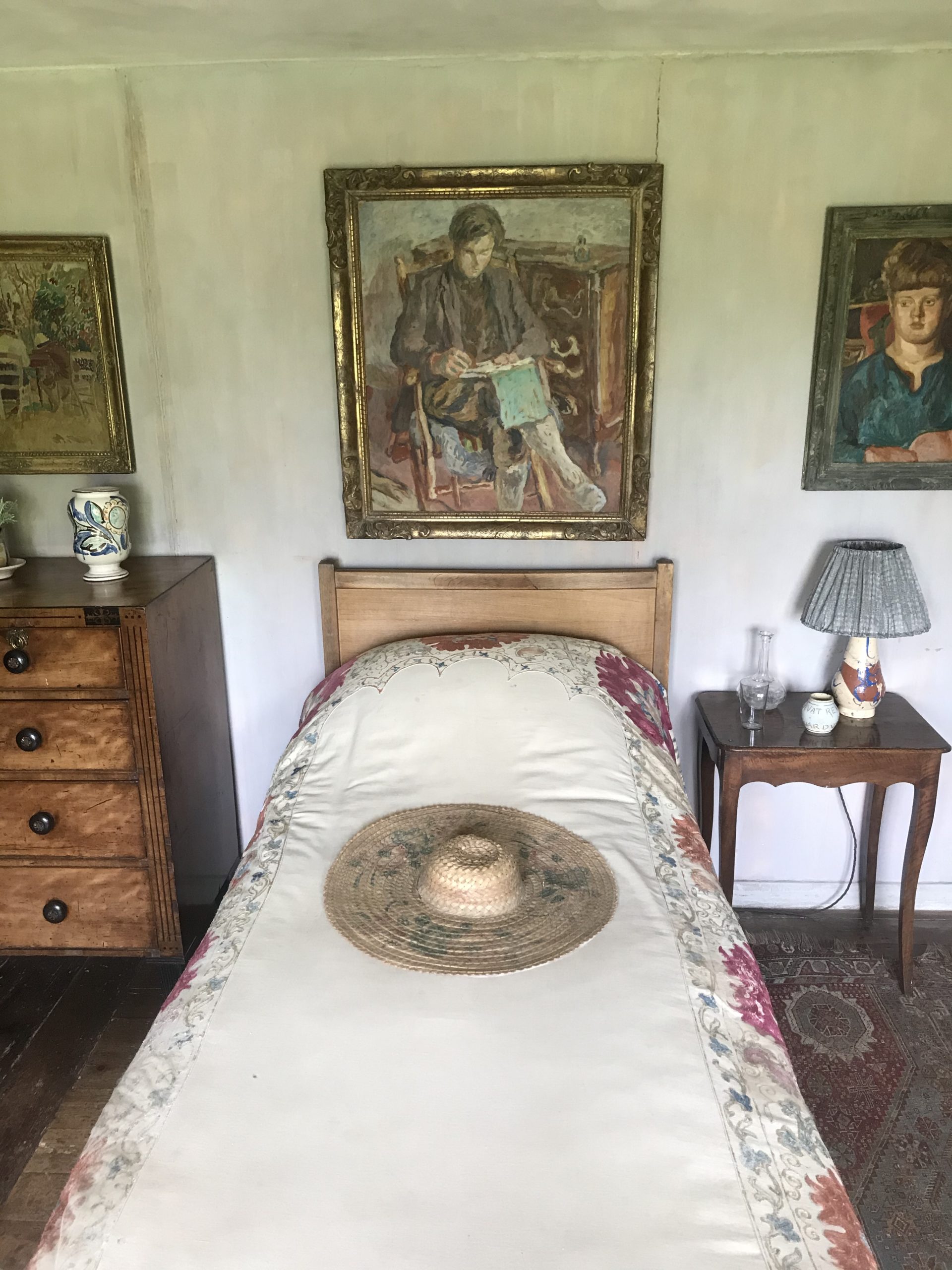
portrait – Julian Bell Writing by Duncan Grant, painted around 1928
the portrait is above Vanessa’s bed – here preserved almost exactly as the room was when she died in 1961
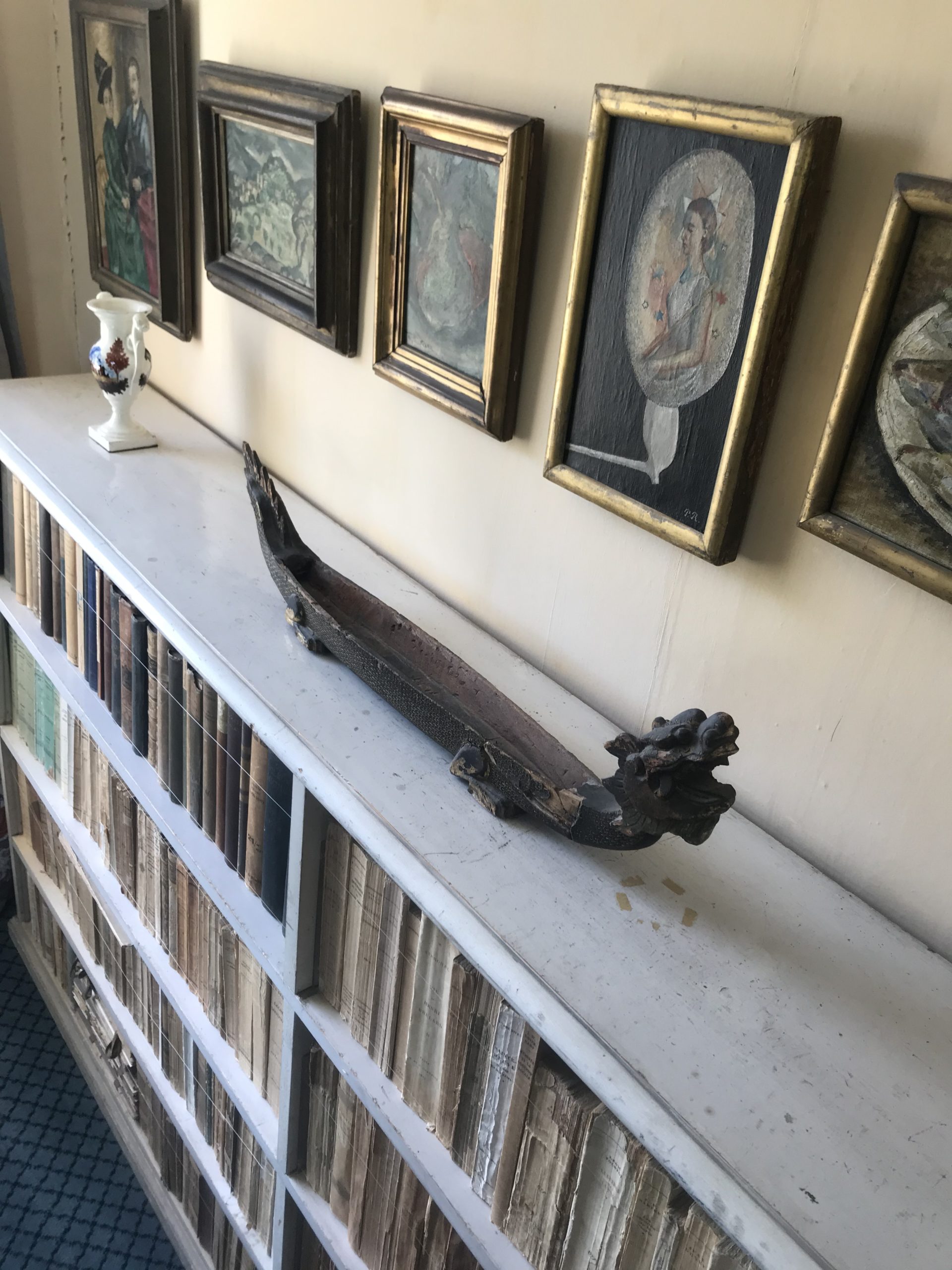
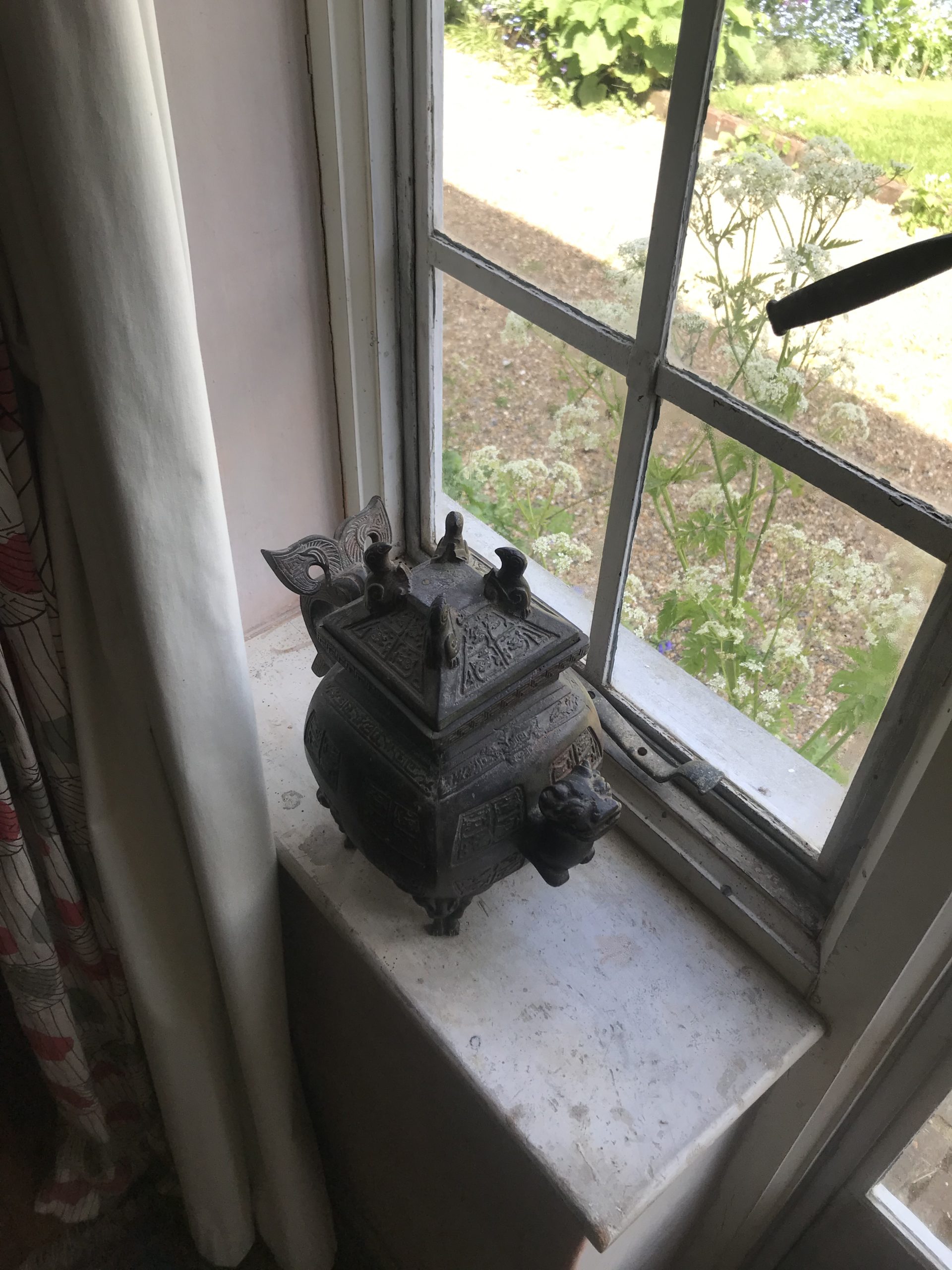
Chinese dragon incense stick holder – brought home from China by Julian, a gift or from a Bloomsbury antique store?
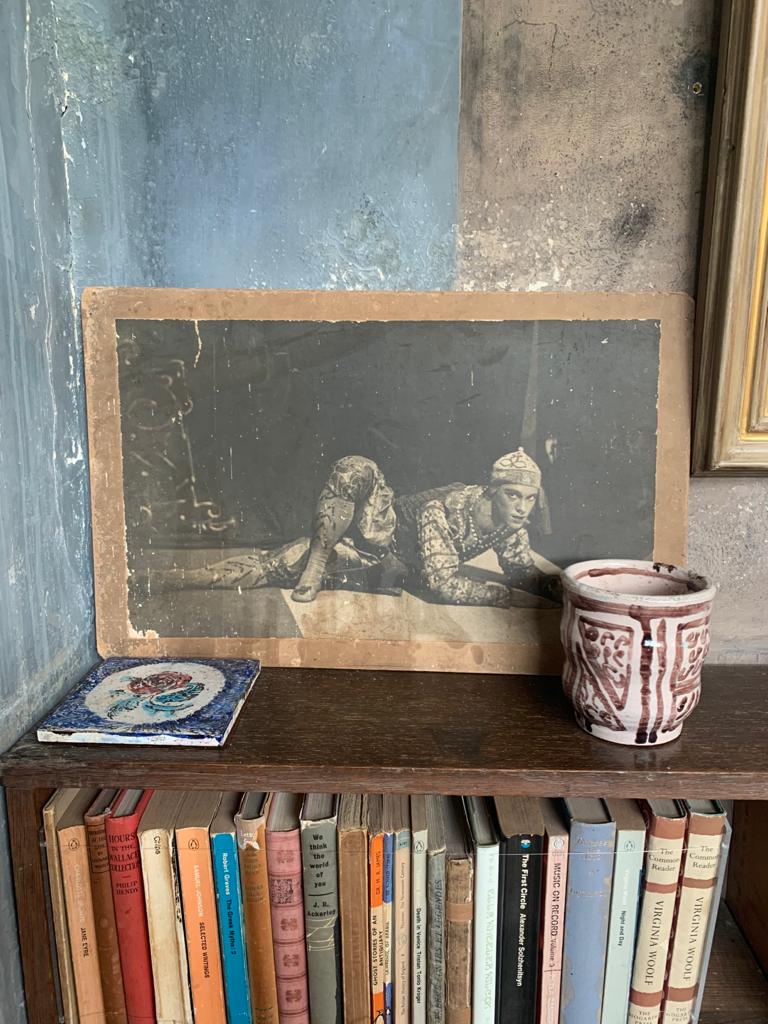
bookshelf in Duncan Grant’s studio with a photograph of Nijinsky
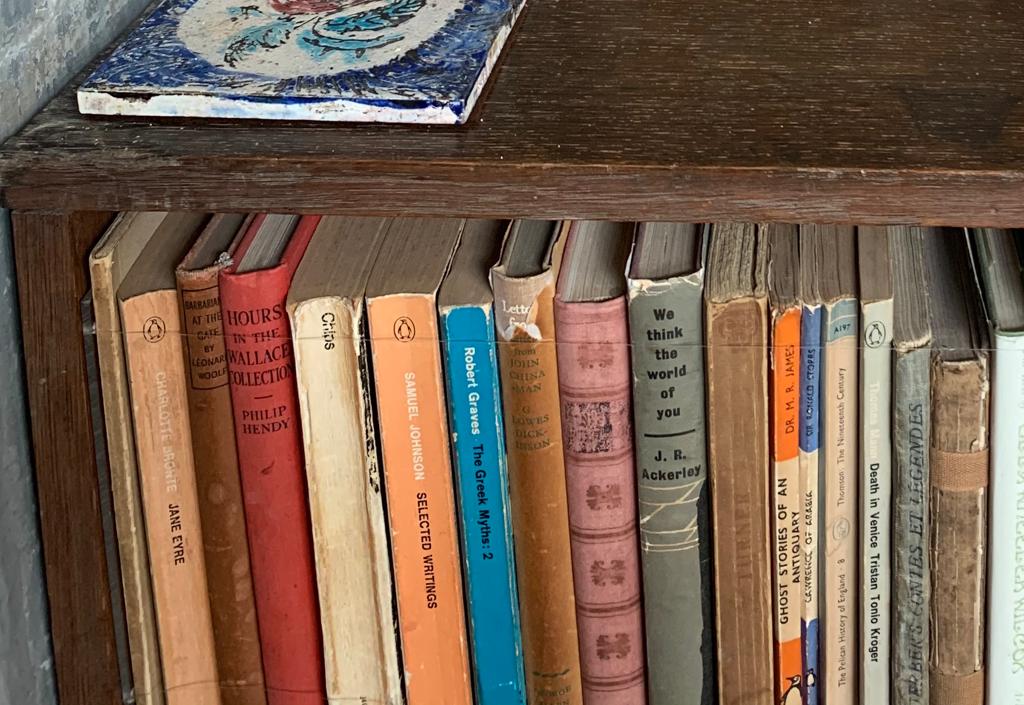
And you can see a copy of Letters from John Chinaman and Other Essays by Goldsworthy Lowes Dickinson (who was close to the Bloomsbury Group) firest published in 1901.
I was looking at the London Library’s copy of Chiang Yee’s Yebbin: A Guest from the Wild (if you are unfamiliar with Chiang just use the search box opposite to see previous posts and the blue plaque we arranged to commemorate him in 2019 in Oxford). This London Library edition (a first edition from 1947) was presented to the library by Queen Mary (wife of King George V and Elizabeth II’s grandmother) in 1950. Yebbin was a children’s book (details below) but there’s a long link between Chiang Yee, Queen Mary and London Zoo’s pandas.
Queen Mary was somewhat of a fan of many things Chinese/chinoiserie. In the 1930s she went to see the hit West End play Lady Precious Stream (based on the Chinese folklore Wang Baochuan and Xue Pinggui) reportedly a half dozen times. The play was by Chiang Yee’s good friend and neighbour in Hampstead, Hsiung Shih-I (Xiong Shiyi). When the first pandas arrived at London Zoo in 1938 Queen Mary also visited along with the young princesses, Elizabeth and Margaret. During the war Lady Cripps established the United Aid to China Fund and held an exhibition to raise funds to support Nationalist China’s resistance. Chiang Yee provided a number of paintings for the exhibition, as did Hsiung’s 14-year old daughter Diana alongside a rose quartz carving of a musician (see below). And so in 1947 Chiang Yee’s publishers (remembering the royal family’s fascination with the pandas), Methuen, sent several copies of Yebbin to the Palace, one of which, it would seem was then gifted to the London Library (and taken out by me in January 2021!).
Yebbin: London: Methuen, 1947. 143 pages. Illustrated by the author. Chiang Yee (1903-1977), Chinese poet, author, painter and calligrapher. Monkeys of the Rhesus tribe are common inhabitants of the mountain districts of China. They had always been a source of pleasure and admiration to Wang Ta-Yu, a well-to-do Chinese merchant, who was also a nature lover. One day Wang Ta-Yu bought a very young monkey from some hunters. It had such a sad and pitiful expression tht he decided to let the little creature free. Finally, however, he gave the monkey to his ten-year old son, Wang Ming, calling it Yebbin.
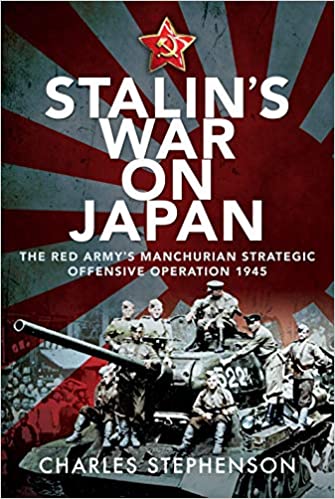
Did Japan surrender in 1945 because of the death and devastation caused by the atomic bombs dropped by the Americans on Hiroshima and Nagasaki or because of the crushing defeat inflicted on their armies by the Soviet Union in Manchukuo, the puppet state they set up in north-east China? Indeed, the Red Army’s rapid and total victory in Manchukuo has been relatively neglected by historians. Charles Stephenson, in this scholarly and highly readable new study, describes the political, diplomatic and military build-up to the Soviet offensive and its decisive outcome. He also considers to what extent Japan’s capitulation is attributable to the atomic bomb or the stunningly successful entry of the Soviet Union into the conflict. The military side of the story is explored in fascinating detail – the invasion of Manchukuo itself where the Soviet ‘Deep Battle’ concept was employed with shattering results, and secondary actions in Korea, Sakhalin and the Kuril Islands. But equally absorbing is the account of the decision-making that gave rise to the offensive and the political and diplomatic background to it, and in particular the Yalta conference. There, Stalin allowed the Americans to persuade him to join the war in the east; a conflict he was determined on entering anyway. Charles Stephenson’s engrossing narrative throws new light on the last act of the Second World War.
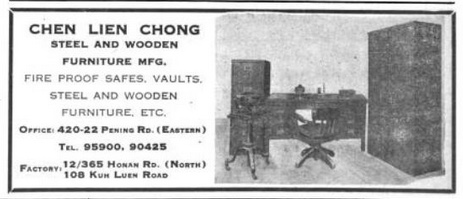
With crime rates through the roof in 1930s/1940s Shanghai a fireproof safe was probably a good idea. Chen Lien Chong could provide – they were, in the late 1940s, on Pening Road (Eastern) – with the Nationalist road changes after 1943 that was one version of the former Peking Road (now Beijing Road) and would have been towards the Bund/Huangpu end of the street. The factory was at Honan Road (North) which is now Baoshan Road. Kun Luen Road has defeated me as well, so if anyone knows?
Long time Beijing resident Jim Nobles has been running ghost-themes walking tours around the city for some time now. Some of those tours ventures down into the hutongs – Chuanpan and Huoguo (below) – that formed the nexis of the old Peking Badlands red light and drugs district. Searching for old laowai OD ghosts i guess and, of course, a key location in my treu crime Midnight in Peking. If you’re interested in a spooky tour here’s his website…
The China Who’s Who was the brainchild of Carroll Lunt and is now of course totally invalaubale to anyone researching foreigners in old China. It also carried quite a lot of advertising – mostly big Hongs. Their offices were right next to Carl Crow’s actually on Jinkee Road (now Dianchi Lu), just off the Bund….