Posted: March 23rd, 2016 | No Comments »
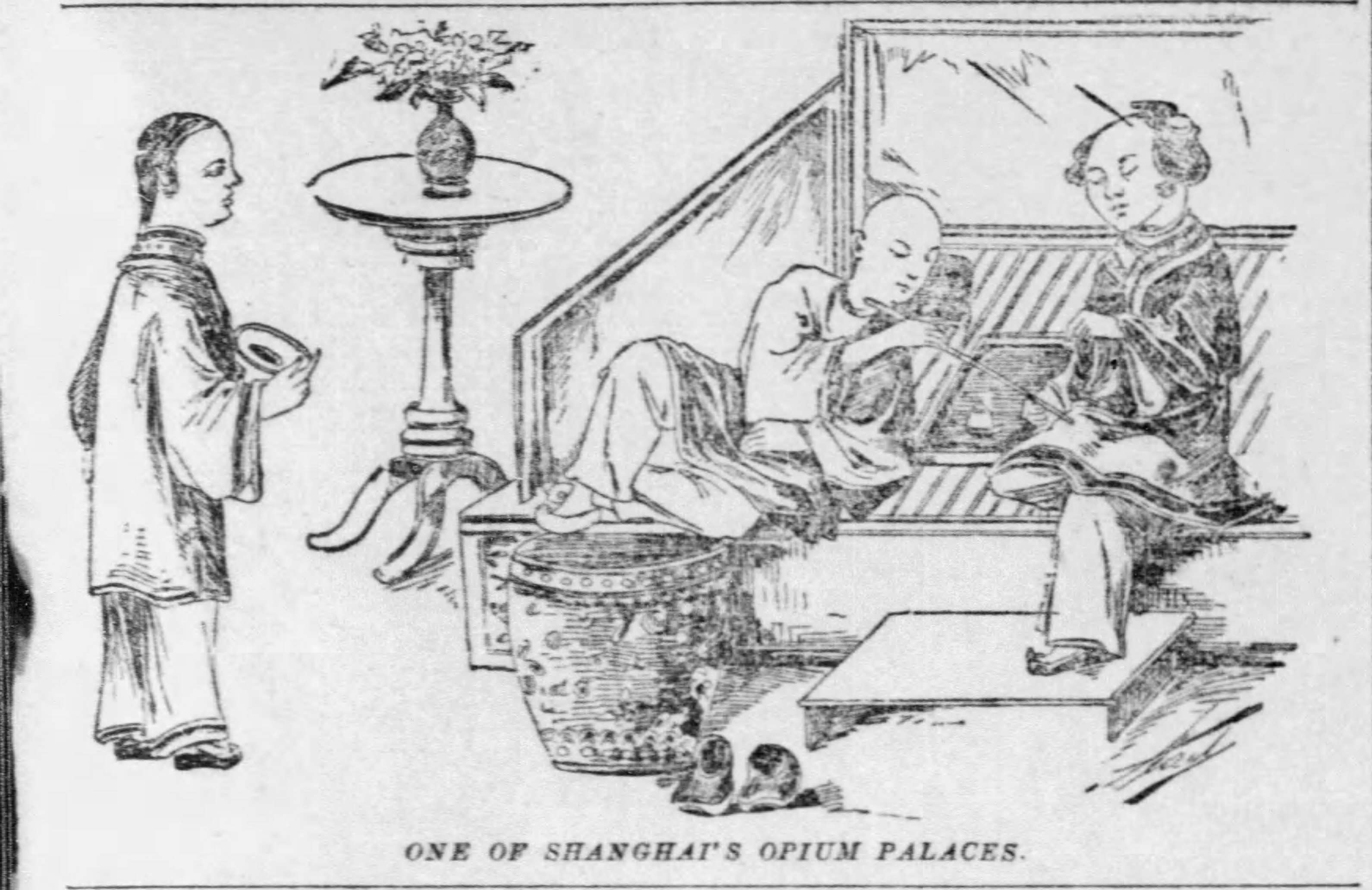
Sadly there is no artists name attached to this drawing, supposedly of a Shanghai “opium palace” – so we can’t know quite the date or provenance, or accuracy. It was printed alongside an article on opium in the St Louis Post Dispatch in March 1889. The article was by Frank G Carpenter, a writer of geography textbooks for American students and who wrote a series of books called Carpenter’s World Travels which were very popular between 1915 and 1930. This is obviously earlier and Carpenter, in the article, claims he visited Shanghai (and an opium palace) in December 1888.
Carpenter wrote several textbooks on China and actually died in Nanking in 1924 while on a round the world trip – he was 69.
 Reported in June 1924
Posted: March 22nd, 2016 | No Comments »
Werbe-Verlag was, I believe, A Jewish advertising and newspaper/magazine.journal distribution company, based in Shanghai. Run by Philipp Kohn it specialised in local Jewish refugee publications (Jüdisches Gemeindeblatt etc), and other publications of interest to that community, in the late 1930s and 1940s. Kohn’s offices were on Kungping Road, now Lingping Road, in Hongkew/Tilanqiao, close to the Jewish Ghetto. Kohn, originally from Germany I think, certainly operated the company between 1939 and 1946 and often stepped in to edit and contribute to various publications as well as distribute them and solicit advertising to help fund them. After the war Kohn was verbally outspoken against certain members of the community he considered corrupt and who had assumed leadership roles during the Japanese occupation of the city.
Posted: March 21st, 2016 | No Comments »
A quick follow up to my post on Tamara Toumanova – as several people asked – who did she see dance in Shanghai when as a young girl she saw her first ballet and became inspired to become a ballerina? The answer is Pavlova and Tamara was only 4 or 5 years old – she must have made quite an impression.
Pavlova, already internationally famous, toured the Far East in 1922-23. She took a company comprising 25 dancers and four musicians as well as a backstage crew. They visited a number of locations across Asia including Java in the Dutch East Indies, Japan, India and Egypt, as well as Shanghai. Pavlova returned to her adopted home of England in July 1923. Tamara, a toddler really, must have seen her dance The Dying Swan – as well as performances at the Town Hall, she danced privately for young foreign schoolchildren, paid for by Florence Ayscough (see Lindsay Shen’s Knowledge is Pleasure).
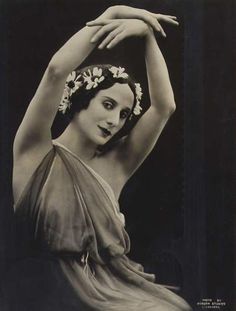 Pavlova in 1922
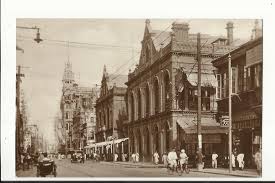
the old Shanghai Town Hall on Nanking Road – long gone of course
Posted: March 21st, 2016 | No Comments »
I saw these photos the other day of Danny Kaye dancing with ballerina Tamara Toumanova in 1945 (photos by Peter Stackpole) which reminded me that Tamara’s love of ballet began in Shanghai.
As a child the future ballerina and inspiration to the choreographer George Balanchine (when she was one of the famous “Baby Ballerina’sâ€), Tamara Toumanova, was a White Russian refugee child who saw her first ballet in Shanghai in the 1920s, though didn’t formerly study ballet until her family had moved on from China to Paris. Toumanova’s family had fled the Bolshevik Revolution to Shanghai, where they stayed for a year before moving to a refugee camp for White Russians in Cairo and then to Paris.


Posted: March 20th, 2016 | No Comments »
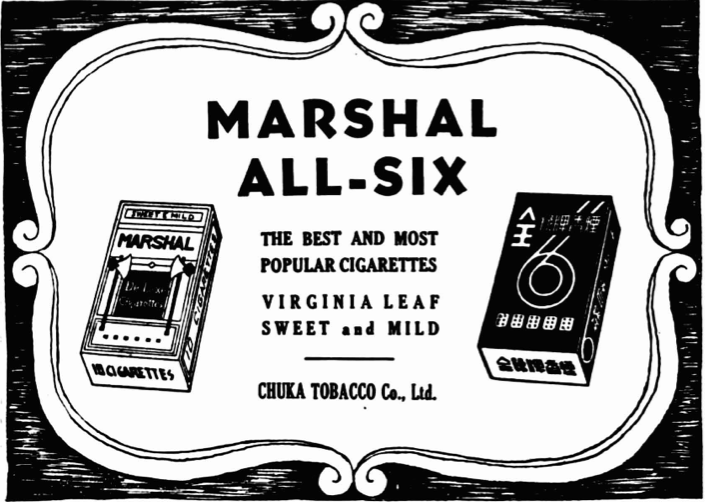
1945 – the liberation of Shanghai is approaching but it’s been a long time since BAT and other western cigarette companies have been producing in the city. So what did Shanghai smoke in early 1945? Marshal All-Six were available. Chuka Tobacco was, I think, a Japanese company producing cigarettes that looked kind of American in pack design and flavour….
Posted: March 19th, 2016 | No Comments »
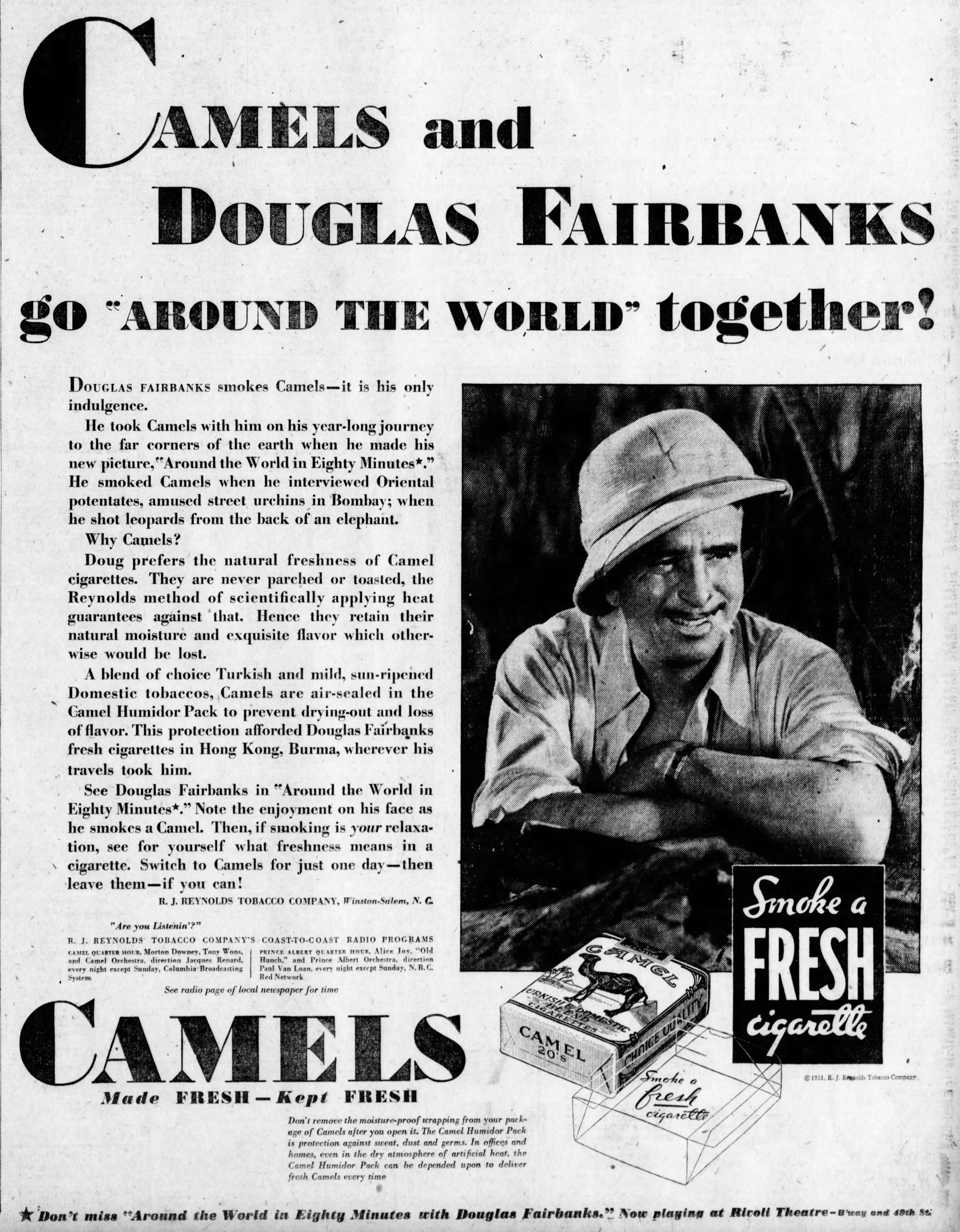
Just an addendum to my post on Douglas Fairbanks yesterday and his trip to Rangoon in 1931 – he obviously landed a rather nice endorsement deal with Camel cigarettes to make some money while on his travels….
Posted: March 18th, 2016 | 2 Comments »
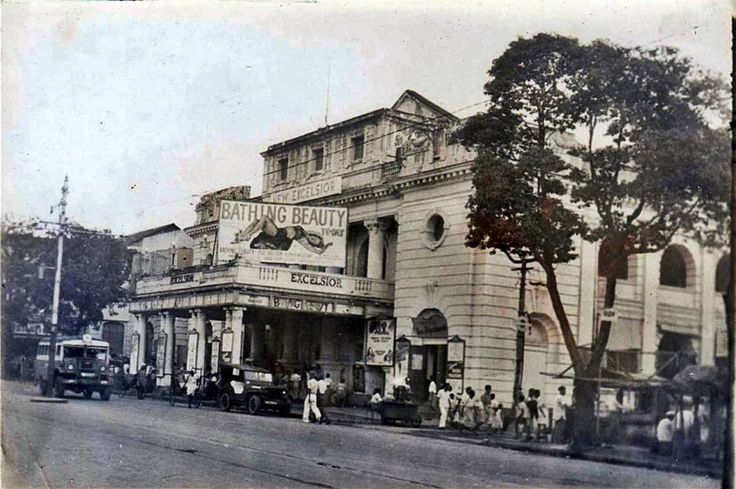
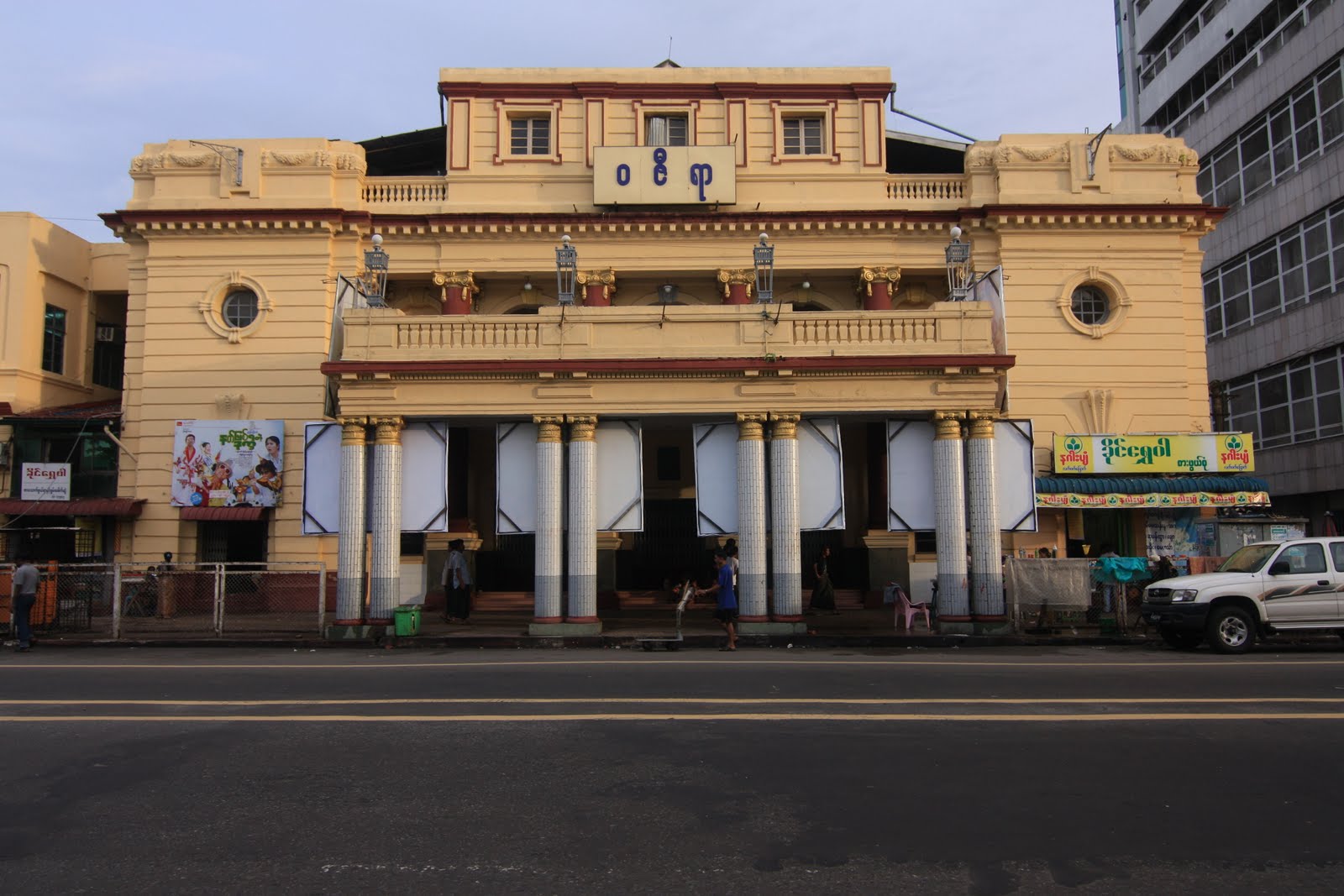
It’s very exciting to hear that a restoration plan appears to be in place for Rangoon’s Waziya cinema (formerly the Excelsior Theatre). You can see some pictures of the cinema inside and out here at the Yangon Heritage Trust’s page. It’s been shut up and falling to ruin for many years but plans are afoot to bring it back to its original glory (read here). The Excelsior is a classic beaux-arts cinema structure originally completed in the 1920s. The plan is restore many original features including the wooden banisters, decorative flooring and a steel staircase that spirals up to the projection booth. In 1931 there were scenes of incredible crowds outside the theatre when the Hollywood actor Douglas Fairbanks visited…here’s that story….
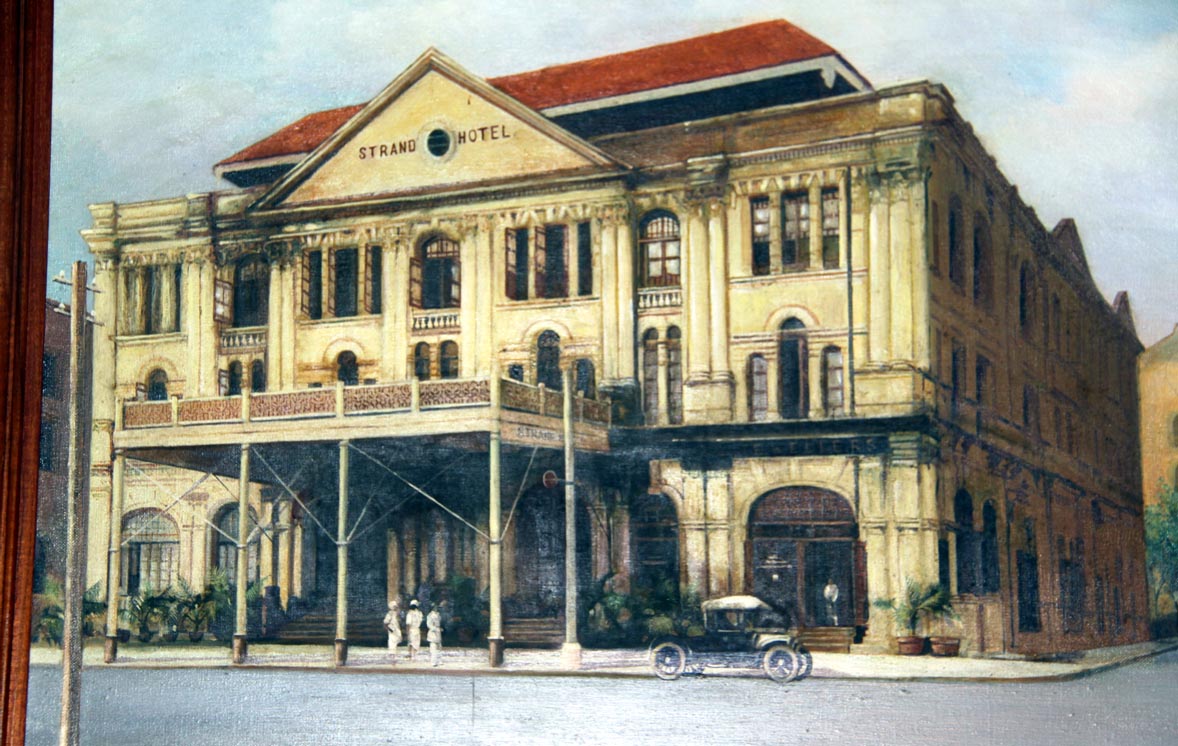
Fairbanks arrived in Rangoon in March 1931 en route to India and having already spent time in Manila. He stayed at the glorious Strand Hotel where crowds of fans camped outside hoping to catch a glimpse of him. Eventually Fairbanks came out onto the hotel’s porch to greet the fans who cried “Thief of Baghdad” – that movie had been a massive hit in Rangoon – and names of his other films. Fairbanks waved to the crowds and then retreated back into the hotel – fans pushed past the doormen and swarmed around the plush hotel’s lobby wanting more of the star. Hotel staff had to “rescue” Fairbanks and eventually managed to get the crowd out and lock the doors. For several days invitations and gifts for Fairbanks arrived at the hotel as well as requests for donations and autographs – Indian silks and Burmese teak lacquerware gifts were left in the reception for him. Fairbanks apparently donated $25 to the local Methodist Church. Women hung around outside the hotel hoping for a handshake, or maybe even a kiss from the movie star.
One evening Fairbanks ventured out first for a display of traditional Burmese dancing at the Tivoli and then to the Excelsior Hotel were a massive crowd had gathered knowing that Fairbanks would be attending a charity performance in aid of the Shwe Dagon Pagoda. The theatre was packed to capacity with crowds outside. Police tried to form a cordon around Fairbanks crowd when he arrived to let him get into the theatre. He managed to get in, gave a speech praising Rangoon, “partook of some refreshments” and then was ushered out again through the police cordon.
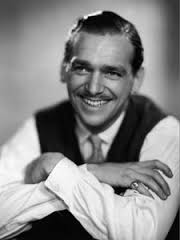
Fairbanks speech, faithfully recorded by the local newspapers, told of his happiness to help preserve the Shwe Dagon (which had been damaged by fire shortly before), of his appreciation of the beauty and manners of Burmese women, “the brilliant sunshine of their smiles” (Fairbanks knew his audience!!), wished for world peace and hoped he would return some day. And with that he headed off for the next stop on his tour – India.
Perhaps the greatest single night in the Excelsior’s history….but hopefully not its last….
Posted: March 17th, 2016 | No Comments »
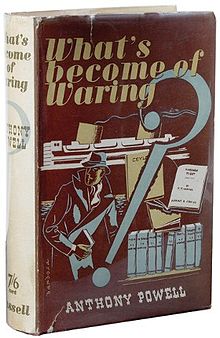
Recently I read Anthony Powell’s 1939 novel What’s Become of Waring? The novel is narrated by an anonymous publishing firm employee. At a seance, an warning is received that something is wrong with bestselling travel writer, T.T. Waring, who shortly afterwards is confirmed dead. Through various efforts to bring out an official life of Waring, many secrets are slowly revealed, especially concerning Waring’s identity and the sources of his travel literature. Not everyone in the book is that impressed with Waring’s travel writing – he is expected to be delivering a manuscript on Tibet any day. His publishers believe him to be an intrepid adventurer who travels where most fear to venture, but one old Asia-Hand dismissively comments – “Half the hardships he (Waring) brags about are what the ordinary tourist puts up with as soon as he has left the Blue Train, and sometimes before.”
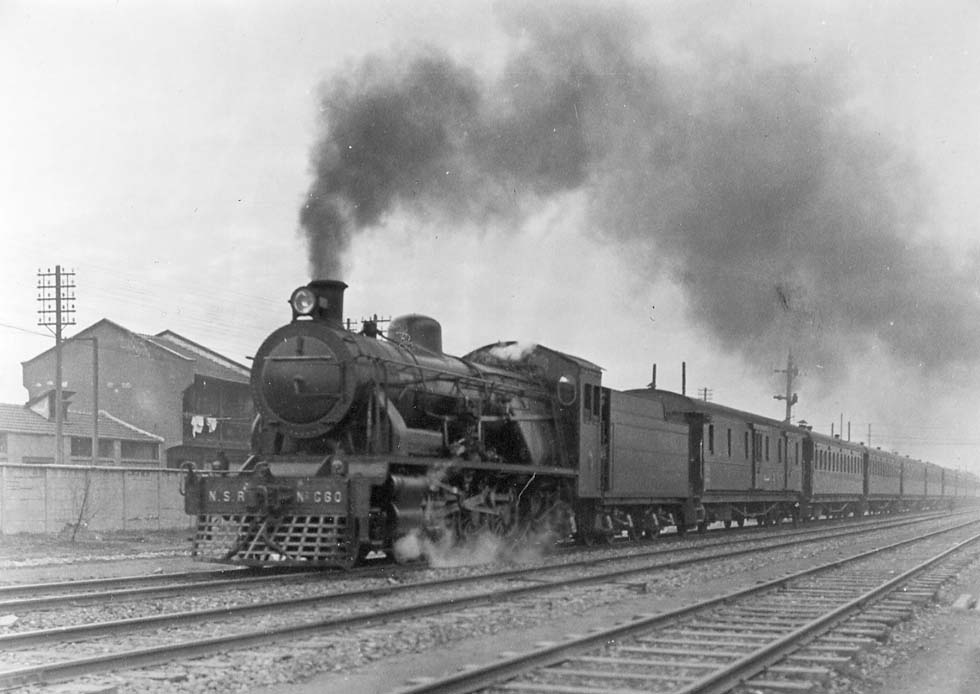
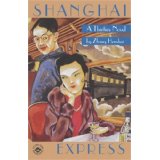
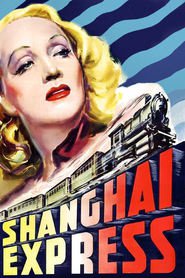
And so to the Blue Train. The Blue Train, often referred to as “Asia’s finest Train”, has featured on this blog before (and extensively in my biography of Carl Crow) as the train hijacked by bandits in 1923 at Lincheng (see that story here). The Blue Train (or more often the Blue Express) started in the 1920s between Nanking (technically to Pokou/Pukow, just outside the city on the north side of the Yangtze) and Peking, and then extended to Tientsin (Tianjin). It was completed in 1912. Altogether, the original railway line was built with 85 stations, of which 31 were in Shandong province. The Blue Express is also the famous train of the 1932 movie Shanghai Express (blogged about here too many times to note) and the Chang Hen-shui (Zhang Henshui) novel from 1935 Shanghai Express.
Anyway, all of this is just an excuse really to post a picture of the train in all its glory….in 1934….