100 Years of Ah Q in English
Posted: August 24th, 2026 | No Comments »A Centenary
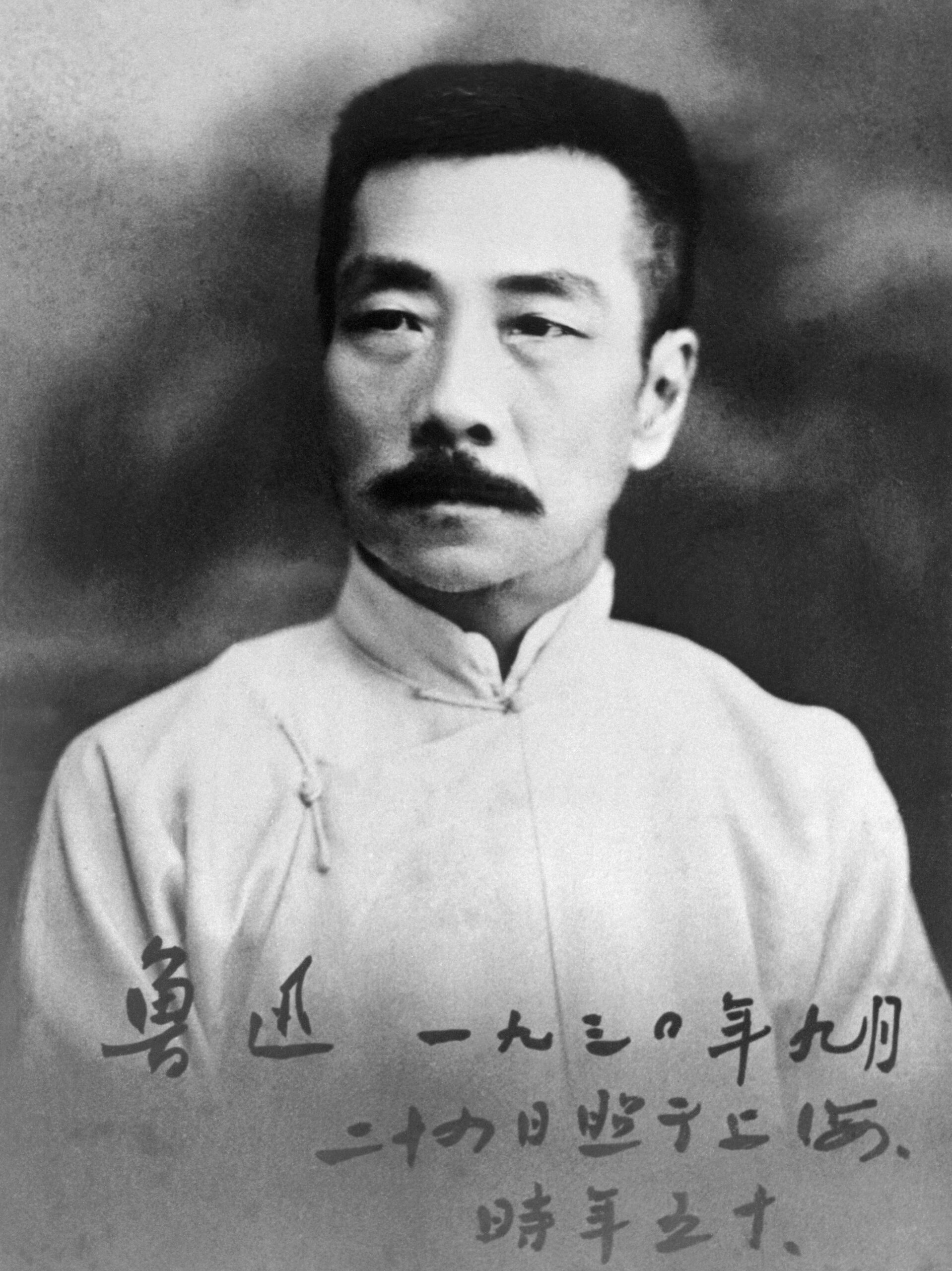
This August marks the centenary of the first English translation of Lu Xun’s masterpiece The True Story of Ah Q, published by the Commercial Press of Shanghai and translated by the Chinese-American writer George Kin Leung (Liang Sheqian, 1899-1977). It was a 100-page hardcover book with Lu Xun spelt “Lu Hsün”.
The Commercial Press published extensively in Chinese and English from offices in Shanghai and also had retail shops in the treaty port. Their editors noted local Shanghailander, as well as foreigners elsewhere in China and Hong Kong colonials as well as significant international Interest in Lu Xun following the 1921 publication of The True Story of Ah Q in Chinese. So the translation was commissioned, printed and distributed internationally (not a common thing for Commercial Press), including in the UK, rather than having a separate concurrent British publishing imprint.
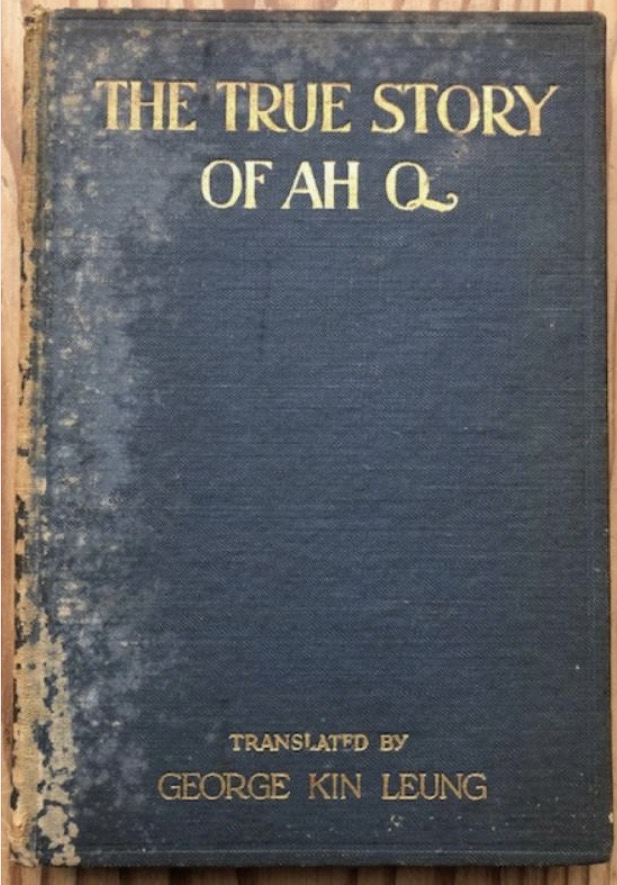
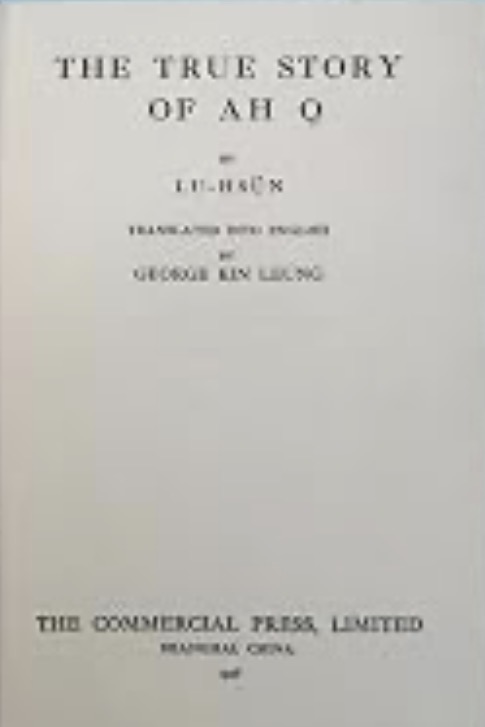
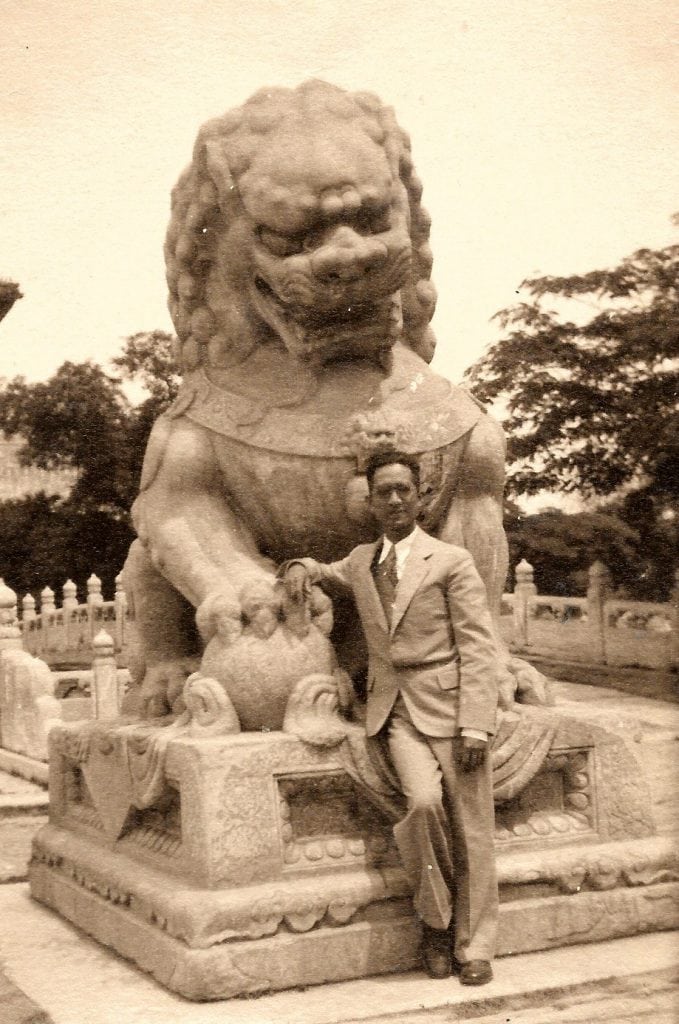
George Kin Leung reputedly translated the text with Lu Xun’s direct permission and spent a great deal of time in Peking with the author discussing tone and the meaning of specific local idioms – Kin Leung was born in Atlantic City to Hong Kong parents. It seems it was time well spent as the authoritative and influential China Weekly Review (edited by Shanghai Old China Hand JB Powell) called the translation ‘excellent’.1926 was a busy and disruptive year for Lu Xun. The author left Beijing for Amoy (Xiamen) after political persecution following the March 18 Massacre of demonstrators protesting warlordism and imperialism. Lu Xun wrote as that it was the ‘darkest day since the founding of the Republic.’ However, he also found time to publish his second short-story collection Hesitation (Panghuang), wrote prose poems for Wild Grass (Yecao), and began his memoirs.
This English edition came a few years after the story’s initial 1921–1922 serial (and pseudonymous – Lu Xun adopting Ba Ren, or “Crude Fellow”) publication in the Beijing Morning News (Chen Bao) and later inclusion in the 1923 collection Call to Arms. The final installment was published on February 12, 1922.
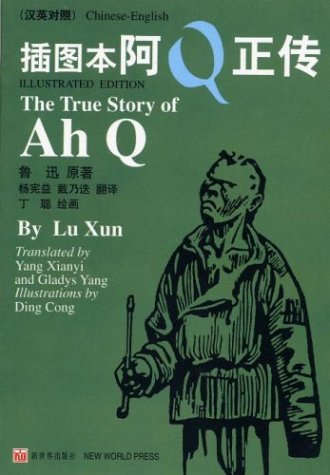
For many non-Chinese readers the Commercial Press edition was an early introduction to modernist vernacular Chinese literature. In the intervening century of course there have been other English translations – perhaps most notably by the Oxford graduate and prolific translator-duo Yang Xianyi and Gladys Yang and most recently by Julia Lovell for Penguin Modern Classics.
Ah Q’s Story
Briefly The True Story of Ah Q is a satire about a homeless village labourer (“coolie”) in the village of Weizhuang who uses often cruel delusions (“spiritual victories”) to survive abuse, only to be destroyed by a revolution (the 1911 Xinhai Revolution) he does not understand. Leaving and then returning to his village Ah Q poses as a heroic and newly wealthy rebel. Eventually local elites scapegoat him for a robbery. He is forced to sign a confession he cannot read with a messy circle. Ah Q is paraded through the streets and executed by a firing squad. The crowd is disappointed because his execution is not entertaining enough.
The story resonated with themes of exploitation and a harsh world leading to Ah Q’s self-delusions while society is cruel, enjoys the suffering of others and unquestioningly accepts traditions and social hierarchies. The weak are oppressed, and then themselves oppress those weaker or more vulnerable than them turning inwards and negating a true revolution.
Reception
The reception to Ah Q in 1918 was a mix of shock by many readers and praise. The modernist writer Mao Dun praised the story noting that Ah Q successfully mirrored the collective decay of the entire nation. He famously compared the character’s impact to Ivan Goncharov’s Oblomov (1859), a perhaps not entirely accurate comparison but one that would have pleased Lu Xun given his appreciation of Russian literature. In general the May Fourth Movement embraced the book as further evidence China urgently needed to modernize.
Responding to those readers shocked by the story Lu Xun wrote a reflective 1926 essay, How The True Story of Ah Q Was Written. He admitted that he had carefully set a trap for his readers. He intentionally started the novella with light, humorous, and slapstick vignettes to make the audience laugh and feel superior to Ah Q. However, as the tone turned dark and ended in a grim execution, he forced the laughing readers to realize they were actually mocking themselves. He noted that his goal was to prevent readers from distancing themselves from Ah Q. In a rather resonating aspect (given China’s film censors interventions of late) some readers wanted the ending changed to a happier note.
Lu Xun refused.
Leave a Reply