Posted: October 23rd, 2016 | No Comments »
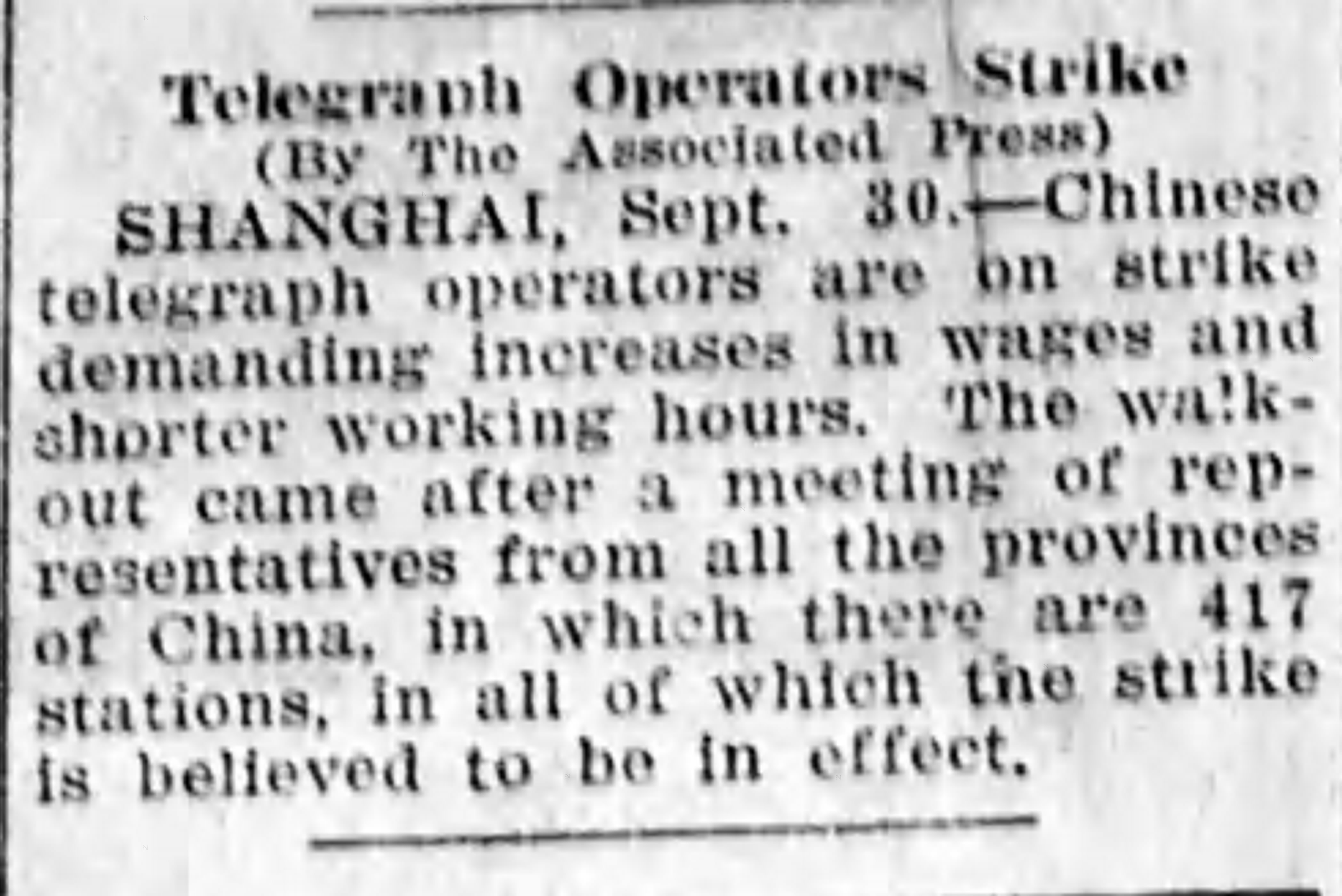
October 1925 – China’s telegraph operators go on strike (you could that then before the Communists banned proper trade unions and striking) demanding better wages and shorter working hours. How long were there working hours? By 1925 China had a pretty effective telegraph system up and running – 417 stations across the country and the strike was total across them all!!
Posted: October 22nd, 2016 | No Comments »
Hong Kong seems to have stood up well against Typhoon Haima – though it was a shame the authorities rushed to cut down so many trees! Will they be replaced?
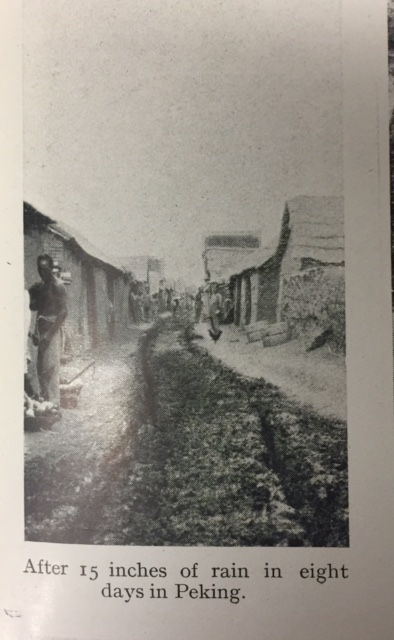
Anyway, 1924 was a year of terrible drought in most of Northern China but the following year that all changed. Peking saw 15 inches of rain in just eight days turning hutong laneways into rivers…..
Posted: October 21st, 2016 | 1 Comment »
If you were a true connoisseur of Chinese art in all its forms then Strehlneek’s on Kiangse Road (now Jiangxi Road). The store was the pride and joy of Mr E.A. Strehlneek who also produced a number of exquisite books on Chinese art around the time of the First World War and shortly after – though he stayed in business well into the 1940s. Strehlneek’s Chinese Pictorial Art, published in 1914 in Shanghai by the Commercial Press (and with a text by Florence Ayscough – see the great small biography of her I was involved in publishing some years back) is beautiful and you’ll be lucky to get a copy for under US$650 these days. Some images from the lavishly produced book below.
Strehlneek, born around 1870 in Latvia, came to Shanghai in 1890 as an appraiser in the Chinese Maritime Customs, based in Tientsin (Tianjin). He started dealing in art opening his store in 1910. He made good money selling entire collections of Chinese art to wealthy Shanghailanders or foreign museums. He hosted exhibitions in Shanghai and also, I believe, in Tokyo in the 1920s. Strehlneek was certainly well connected and counted the Swedish art historian and Sinologist Osvald Siren (Strehlneek’s Latvian roots probably gave him a grasp of Swedish and he sold extensively to Swedish collectors all his career) as well as fellow well known dealer in Chinese art Peter Bahr among his close friends. Strehlneek knew Siren quite well and the two met repeatedly between their first meeting in 1908 and his lengthy visit to China in 1922. He maintained close contacts with Chinese artists and was known to them under his Chinese name Shih Te-ni.


Posted: October 20th, 2016 | No Comments »
The photographer Marc Riboud died this summer at a very respectable 93. By Asia Hands Riboud will be best remembered for his Asian photography – grouped together partly in his books The Three Banners of China, Face of North Vietnam, Visions of China, and In China. Riboud was amazing for many reasons (not least he was a member of the French Resistance in WW2). He didn’t really start seriously taking pictures until the 1950s – previously he worked in a Lyon factory. He first went to China in 1957 and then returned later, during the Cultural Revolution. In 1971 John Kenneth Galbraith visited China. He published a book about his impressions and experiences on that trip, A China Passage, at that amazing time in the country’s history, and used Riboud’s photographs. The book and the photographs stand as rare eye witness testimonies to life in China in the early 1970s – still in the Cultural Revolution and the grip of Mao’s madness.
the pictures below are from that 1971 trip…
 Great Wall
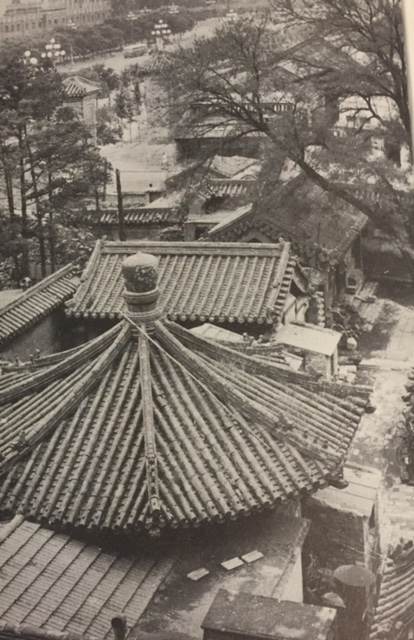 Hutongs close to Tiananmen Square (no longer there of course)
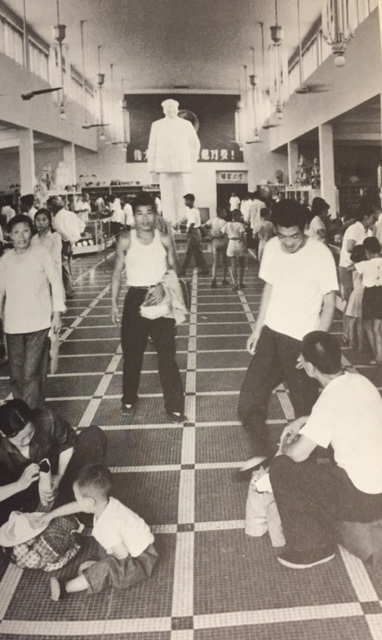 Peking Department Store

The HSBC lions on the Bund, Shanghai
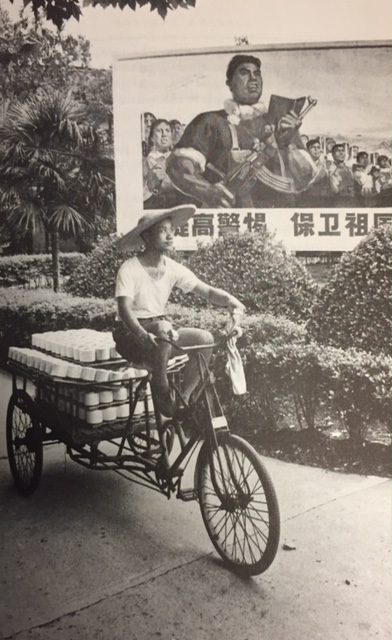 Yarn delivery – Shanghai
Posted: October 19th, 2016 | No Comments »
Probably not many expats in China under 35 got to do this before they were flooded (oh, progress!!)…but in 1930 it was a popular trip for both Shanghailanders and sojourners passing through…

Posted: October 18th, 2016 | No Comments »
In the days of still ridiculous levels of bureaucracy in Beijing, of the nasty Chengguan thugs spare a thought for the poor waitresses of Peking in 1936, forced to register…’decorum and good custom’ sounds a little like today’s cries of ‘civilised behaviour’ and the nonsensical like. Of course it all failed – just how many waitresses registered with the police is unclear and the whole system collapsed in early 1937 and, of course, was swept away the following July by the Japanese invasion. Those with a keen eye will of course notice that waiters were not required to register – seemingly, in 1936 at least, Peking waiters were above suspicion when it came to decorum!!

Posted: October 17th, 2016 | No Comments »
Accidental Filmmakers: China’s 5th Generation Directors and Their Avant-garde Artistic Movement
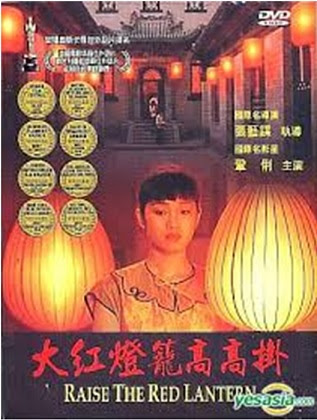
The 5th generation of Chinese filmmakers looms large in Chinese film history, including such luminaries as Chen Kaige and Zhang Yimou. Karen’s talk will look at how some of the key producers of culture from this generation came into film largely by chance at a very unique moment in time, and how their formative years, shared historical background and training helped shape their choice of subject matters and the artistic quality of their works. It will also look at why their films attracted so much international acclaim at a time when Chinese cinema was relatively unknown, and why their subsequent films have lost much of the vigor and edge seen in the 1980s and early 1990s.
WHAT: “The Accidental Filmmakers:†5th Generation Directors and Their Avant-garde Artistic Movement—an RASBJ talk by Karen Ma
WHEN: Oct. 25, Tuesday, 7:30-9:00 PM
WHERE: Courtyard Institute, #28 Zhonglao Hutong, Dongcheng District www.courtyardinstitute.com
COST: Â 30 RMB for RASBJ members, 50 for non-members
RSVP: Please email events@rasbj.org and write “Karen Ma talk” in the subject header
MORE ABOUT THE SPEAKER:
Karen Ma is a Chinese-American author and journalist who has worked for and contributed to numerous publications, including The Japan Times, NHK, NPR, The International Herald Tribute, and the South China Morning Post. A long-time film critic for the Asahi Evening News, Ma is also the author of Excess Baggage, a novel about a Chinese family’s struggle in Tokyo during the 1990s. She currently works as a lecturer of film and culture at The Beijing Center.
Posted: October 16th, 2016 | No Comments »
I wouldn’t even suggest anybody set out to look for this village now – long, long gone – but just about there in 1945 when Edward Ward passed by on the river and took this picture for his book Chinese Crackers (1949).
