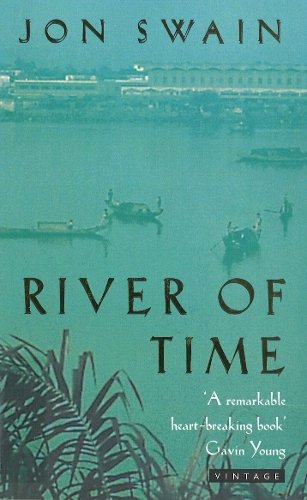
A friend who’s always very reliable recommended Jon Swain’s River of Time, his memoir of Vietnam, Laos and Cambodia in the 1970s. I can’t believe I’d never read it before. An amazing recollection of the dog days of the Vietnam War, the rise of the Khmer Rouge and (most interestingly to me) the echoes of the old French Indo-China. A wonderful, wonderful read….
Between 1970 and 1975 Jon Swain, the English journalist portrayed in David Puttnam’s film, The Killing Fields, lived in the lands of the Mekong river. This is his account of those years, and the way in which the tumultuous events affected his perceptions of life and death as Europe never could. He also describes the beauty of the Mekong landscape – the villages along its banks, surrounded by mangoes, bananas and coconuts, and the exquisite women, the odours of opium, and the region’s other face – that of violence and corruption.
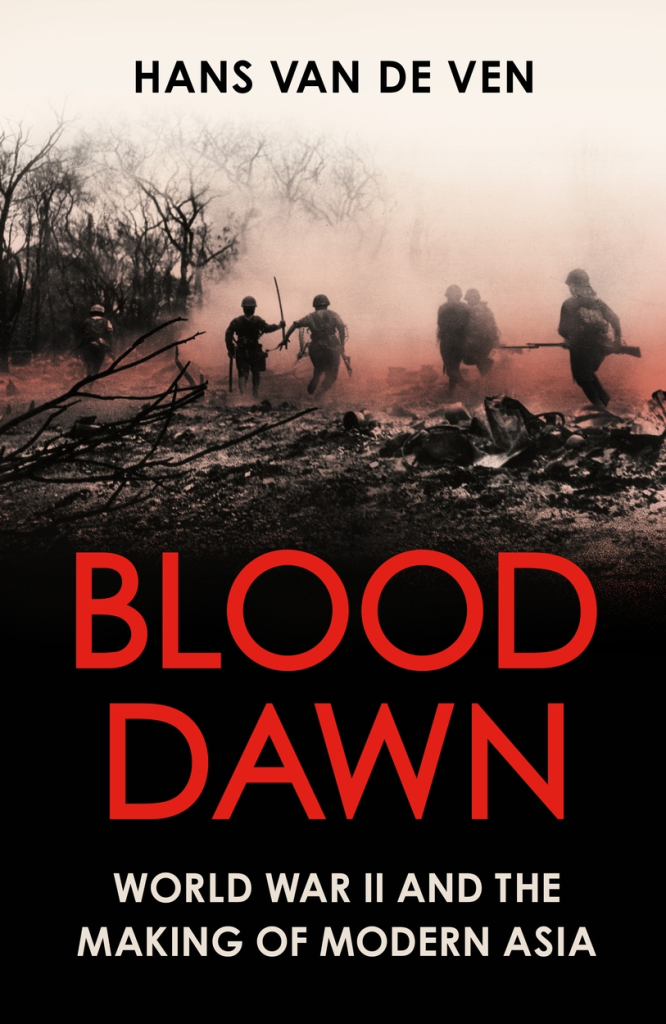
Don’t miss Hans ven de Ven discussing his new book and how it reframes our understanding of World War II in Asia in an online conversation with David Rennie, Geopolitics Editor at The Economist and former Beijing bureau chief on July 17, at the later than usual time of 8-9PM (Beijing time).Drawing on extensive research across continents, Cambridge historian Hans van de Ven tells the dramatic story of how the people of Asia rose in resistance to both Japanese aggression and European imperialism, forging a modern Asia in the process, in his new book, Blood Dawn: World War II and the Making of Modern Asia.
WHAT: “Blood Dawn: World War II and the Making of Modern Asia”, an online talk by Hans van de Ven, moderated by David RennieWHEN: 8-9PM (Beijing time), July 17, 2026 (Friday), on ZoomABOUT THE EVENT: In this online talk organised by RASBJ and Yale Center Beijing, renowned Cambridge historian Hans van de Ven discusses how his new book reframes our understanding of World War II in Asia, in conversation with The Economist’s geopolitics editor and former Beijinger David Rennie. The book, according to David, “will reset how many Western readers understand the second world war in Asia [and] challenges framings of the conflict as a heroic saga ending with the Allied defeat of Japan… [with lessons that] could hardly be more timely today, as nationalist movements and leaders reshape a world order that is in tumult once more.”MORE ABOUT THE BOOK: Drawing on deep archival research across continents, historian Hans van de Ven tells the dramatic story of how Asia’s people mobilised to defeat both Japanese aggression and European imperialism, forging modern Asia in the process.By the early twentieth century, from India to China, Western imperial powers dominated Asia. Then, in the 1930s, Japan began to tear down this old order in pursuit of its own imperial ambitions―first by invading China, and then by launching its assault against British, Dutch, and American outposts across Asia and the Pacific in December 1941. As Japanese forces seized vast swaths of territory and pressed toward India, the brutal fighting cost millions of lives across the continent. Simultaneously, the war’s chaos and suffering supercharged anti-colonial movements from British India to Dutch Indonesia. Ultimately, it was the charismatic leaders of these movements―Mao, Nehru, Sukarno―who built the new Asia of independent nation-states that emerged in the war’s bloody wake.ABOUT THE SPEAKER: Hans van de Ven is a historian of modern China and the Second World War, and teaches at Cambridge University and Peking University. Besides the history of the Second World War especially in China and Asia more broadly, he has written extensively on the history of the Chinese Communist Party and the Chinese Maritime Customs Service. Van de Ven is a Fellow of the British Academy.ABOUT THE MODERATOR: David Rennie is Geopolitics Editor of The Economist and author of “Telegram”, a column. He joined The Economist in 2007. He has been EU correspondent and “Charlemagne” columnist, based in Brussels, British political editor and “Bagehot” columnist, in London, “Lexington” columnist and Washington bureau chief, before being Beijing bureau chief and “Chaguan” columnist 2018-2024.HOW MUCH: Free for members of RASBJ and members of the Yale Center Beijing. 50 RMB for members of RAS partner branches (London, Shanghai, Hong Kong). 100 RMB for non-members. Alipay may be an easier payment method than WeChat. You can also pay by credit card. Interested in becoming an RASBJ member? Please sign up at rasbj.glueup.cn/org/rasbeijing/memberships/HOW TO JOIN THE EVENT: Those who wish to register directly with Yale Center Beijing should do so here: https://yalecenterbj.glueup.cn/event/blood-dawn-world-war-ii-and-the-making-of-modern-asia-50830/Those who wish to register with RASBJ should click “Register” or “I will attend” on this notice and follow the instructions. After successful registration you’ll receive a confirmation email with a link to join the event online. If you seem not to have received it, please check your spam folder. Members of partner RAS Branches: Please register 72 hours in advance to allow time for membership verification. You’ll receive three emails from us: the first confirming receipt of your registration request, the second requesting payment, and the third confirming receipt of your payment, with a link to join the event online. Please check your spam folder to ensure you see all RASBJ emails.
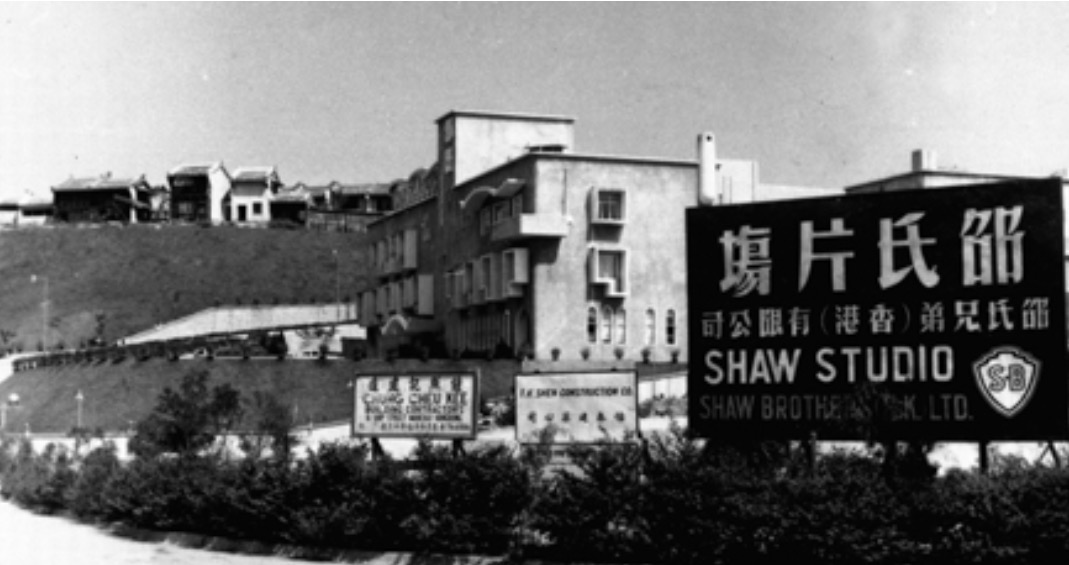
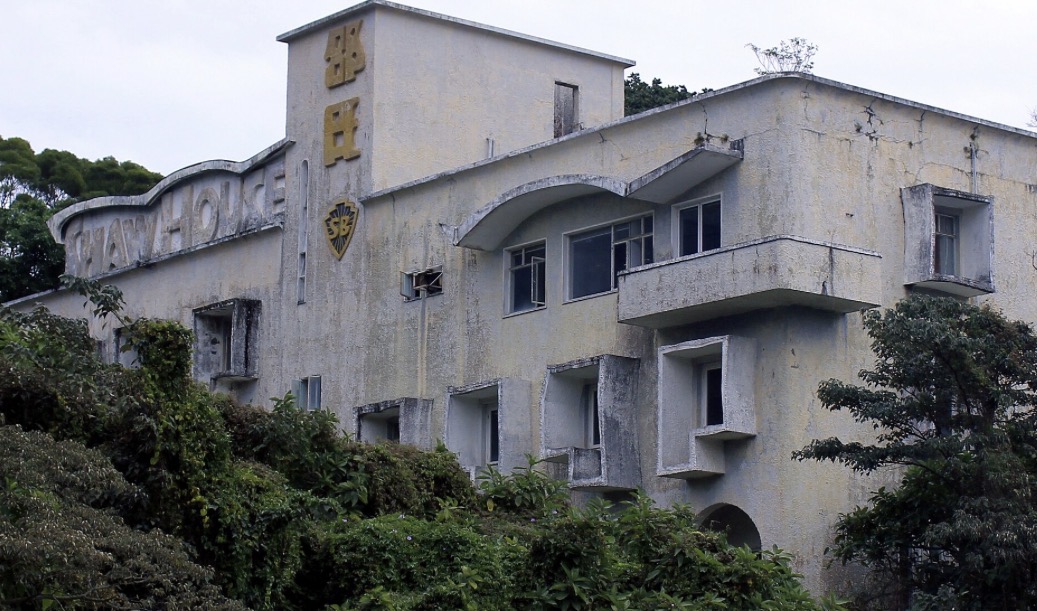
Funnily enough I found myself down by the old Shaw Brothers studio site in Clearwater Bay on a trip to Hong Kong last year. It was quite by accident – some wrong minibus numbers proved fortuitous. The old Shanghai studio relocated to Hong Kong and maker of numerous classic movies.
Apparently Fosun International are redeveloping the site (“reimagining” they say but we’ll ignore that nonsense) as a “mixed-use residential and lifestyle space”. They claim they’re spending HK$10bn. We shall see what emerges….
Shaw Brothers in its heyday and the remaining main building….
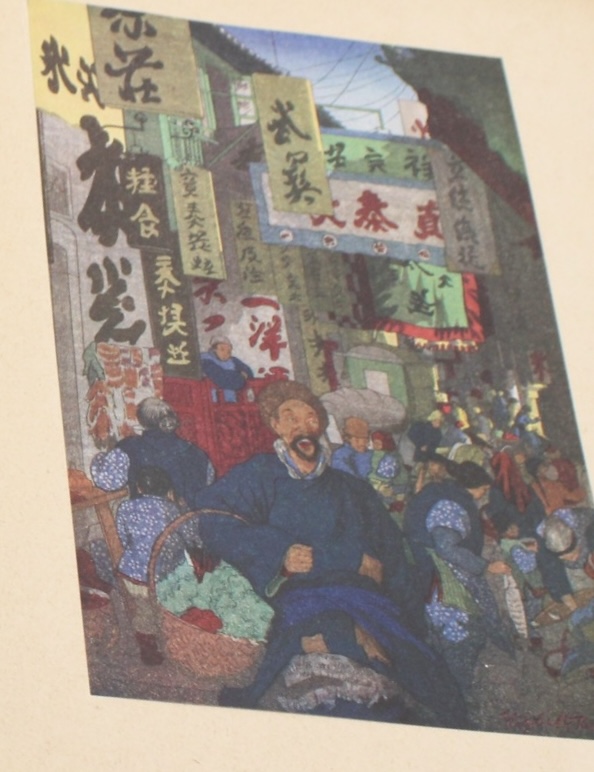
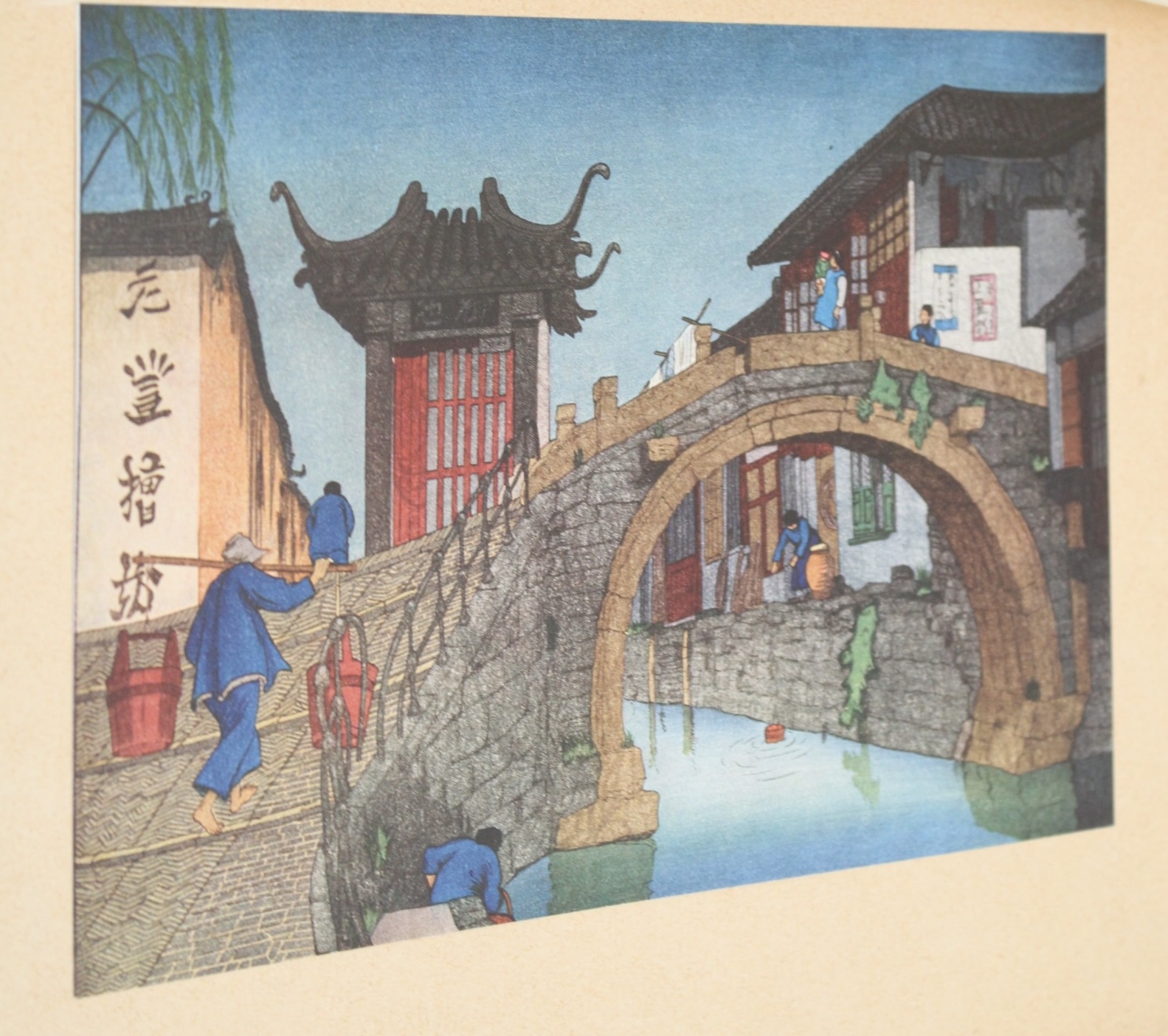
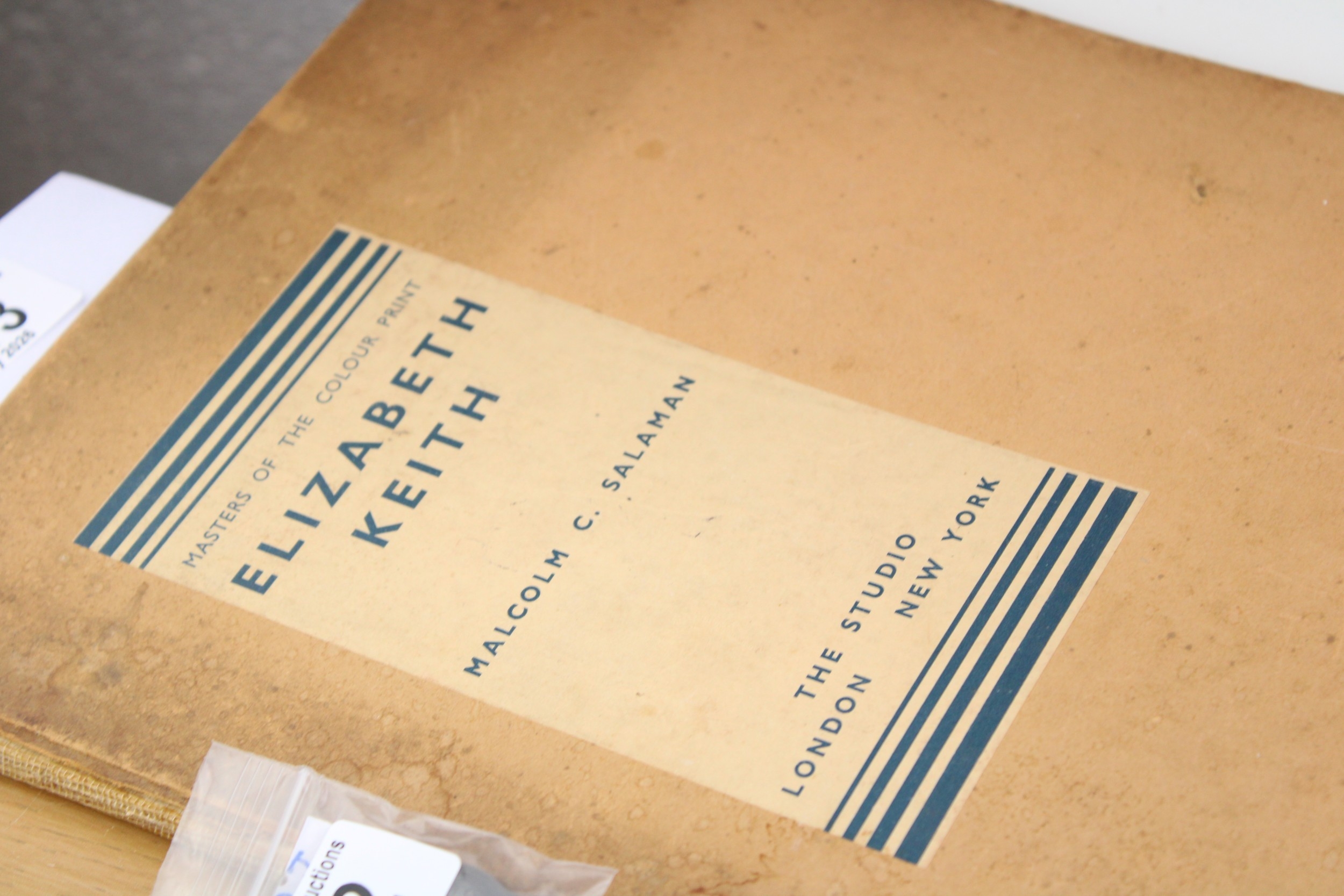
Elizabeth Keith (1887 – 1956) was a Scottish print-maker and watercolorist whose works were significantly influenced by her travels to Japan, Korea and China. A collection of colour plates of Keith’s Asian work published by The Studio (London) in their 1920s/1930s series Masters of the Colour Print with an introduction on Keith by art critic Malcolm C Salaman.
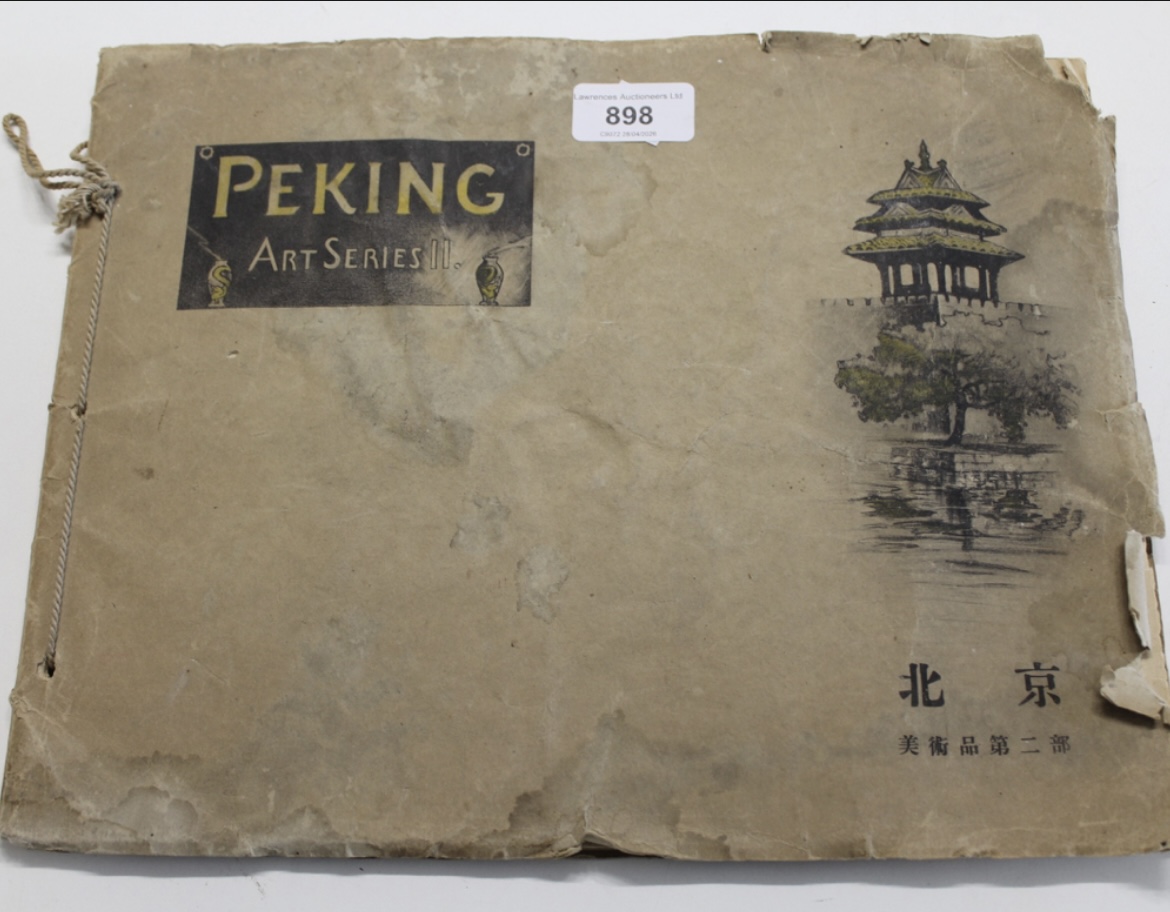
A vintage photo album titled “Peking Art Series II” from the Camera Craft studio on Peking’s Legation Street, run by the American photographer and entrepreneur John David Zumbrun (sometimes Zumbrum) from 1910 to 1929. The album contains 20 to 30 leaves of tipped-in photographic plates depicting scenes of Peking (with the Chinese characters for Peking on the cover) such as the Great Wall or Forbidden City and were sold as souvenirs. Pennsylvanian Zumbrun (1875–1949) was a former U.S. Army soldier who stayed in Peking over the period of transition from the Qing Dynasty to the Republic. He left China in 1929 for San Francisco.
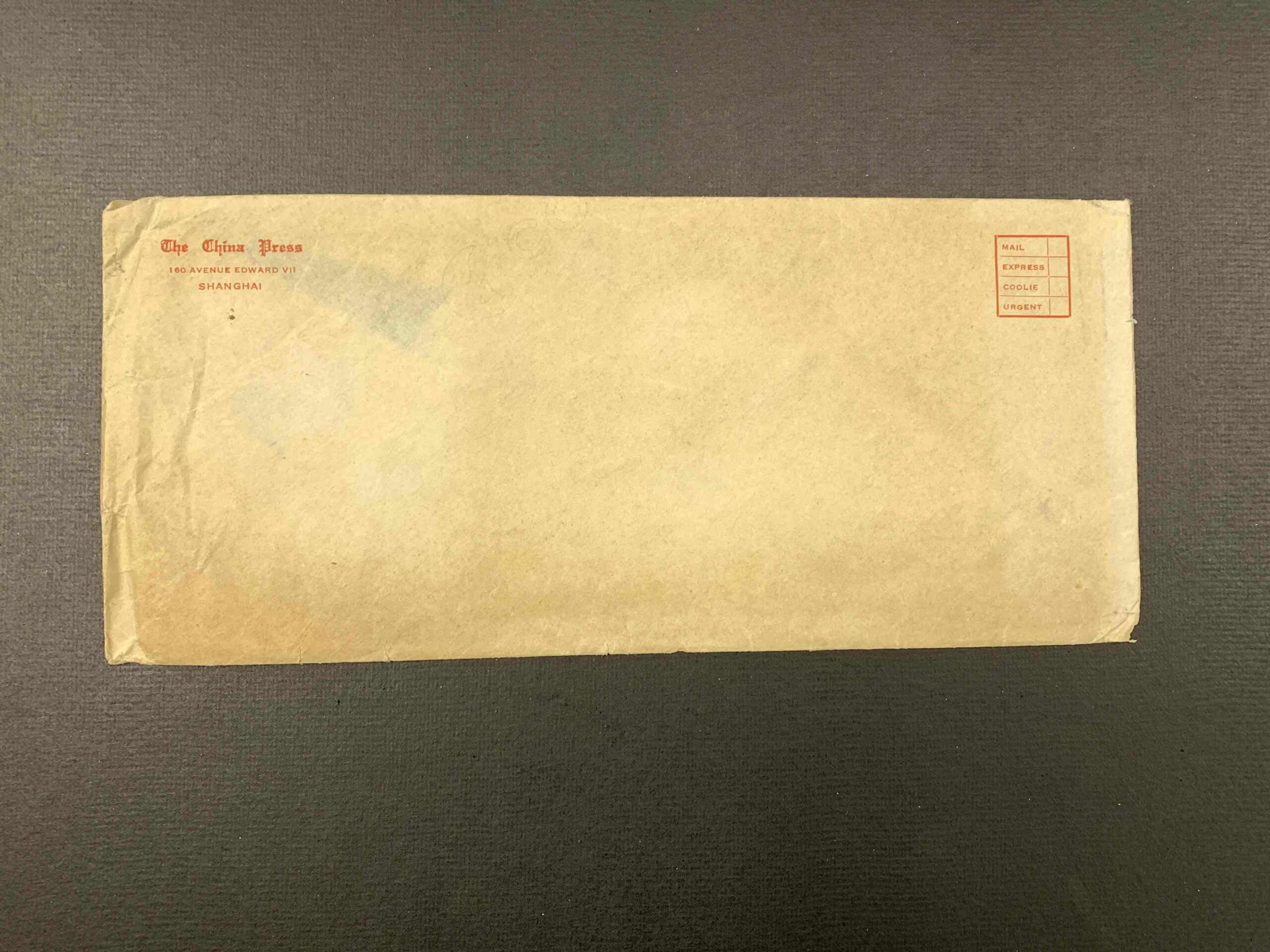
I’ve written a lot about the history and characters of the China Press newspaper, started by Tom Millard in 1910 in Shanghai and where Carl Crow got his start in the China Coast newspaper business (see my biography of Crow – A Tough Old China Hand and history of the old China press corps, Through the looking Glass). Anyway, it was a formative paper in Shanghailander circles and ran for many years till WW2. Here is one of their personalised envelopes with their #180 Avenue Edward VII address (Yan’an Lu), the centre of Shanghai’s English language publishing world, the cluster of newspaper and wire services offices, known as “Newspaper Row” (see my post on that here)
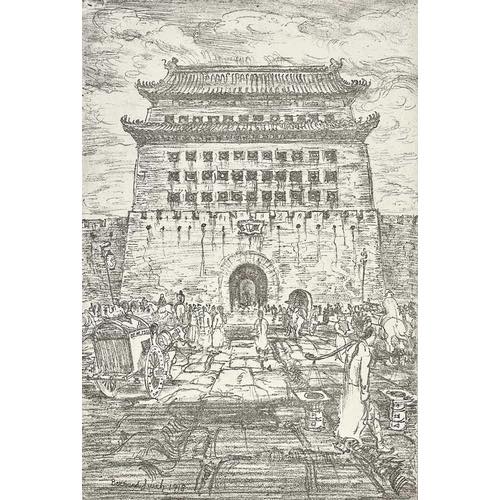
English, Hong Kong-born, Bernard Howell Leach (1887-1979). Attended the Slade and the London School of Art, studied etching under the legendary Frank Brangwyn. Taught and studied art in Japan 1909-1920. In 1918 he visited Peking and produced this soft ground etching on paper of the “Chen mun” (Qianmen) Gate.